Your pet’s diet plays a starring role in their overall health, especially when it comes to their dental well-being. Just like humans, pets need the right nutrients and foods that support strong teeth and healthy gums. When you choose the best diet for your furry friend, you’re setting them up for a lifetime of happy, pain-free chewing and fresh breath. This guide will walk you through how diet impacts your pet’s dental health and why expert pet dentistry Perkasie care complements good nutrition perfectly.
How Chewing Affects Dental Cleanliness
One of the most straightforward ways diet influences dental health is through chewing. Dry kibble acts somewhat like a natural toothbrush as your pet bites and chews, mechanically scraping away plaque buildup on their teeth. In contrast, diets heavy in soft or wet foods may not provide enough abrasion, allowing plaque to accumulate and harden into tartar. Thus, feeding crunchy kibble or dental-specific treats encourages the chewing action necessary to help keep teeth cleaner.
However, keep in mind that not all kibble is created equal. High-quality, low-carbohydrate dry foods without added sugars or fillers are best for oral health. And while chewing is important, it does not replace regular dental checkups and professional cleanings that an expert in pet dentistry Perkasie provides.
Nutrients That Make Your Pet’s Teeth Strong
Beyond the mechanical benefits of chewing, the nutrients in your pet’s diet directly affect the strength and health of their teeth and gums. Calcium and phosphorus are vital minerals that help maintain strong tooth enamel and healthy bone structure supporting the teeth. Vitamin D is also essential because it helps the body absorb these minerals properly.
Pets, especially puppies and kittens, need balanced nutrition during growth to develop strong teeth and jaws. Inadequate or imbalanced diets can lead to brittle teeth or gum problems later in life. Feeding your pet a species-appropriate diet rich in these nutrients gives them the best chance at lifelong dental health.
The Role of Saliva and Hydration in Oral Health
Did you know that the type of diet you feed can influence saliva production in your pet’s mouth? Saliva is a natural defense mechanism that helps wash away food particles and neutralize harmful bacteria. Some foods stimulate saliva flow better than others, which indirectly aids in preventing plaque buildup and gum disease.
Keeping your pet well-hydrated by providing fresh water throughout the day also supports saliva production. Together, a diet that encourages chewing and proper hydration contributes to a healthier oral environment, making your vet’s job easier during dental exams and cleanings.
Beware the Sugar and Sticky Treats: Hidden Dental Dangers
While treats are a great way to reward your pet, sugary or sticky snacks pose a real threat to their teeth. These foods tend to cling to teeth surfaces, encouraging bacterial growth that leads to plaque and eventually gum disease.
Limiting sugary treats and avoiding table scraps that stick to teeth can significantly reduce your pet’s risk for dental problems. If you want to indulge your pet, opt for dental-friendly treats approved by veterinarians, which often have ingredients to help reduce plaque or support gum health.
Complementing Diet with Professional Pet Dentistry
Even with the perfect diet, pets still need regular professional dental care to maintain optimal oral health. Routine dental checkups catch issues like tartar buildup, gingivitis, or tooth decay early before they cause pain or systemic illness.
Veterinarians in Perkasie offer comprehensive pet dentistry services, including dental exams, cleanings under anesthesia, X-rays, and treatment plans tailored to your pet’s needs. Combining expert care with a thoughtful diet creates the most powerful defense against dental disease.
Creating a Dental Care Routine at Home
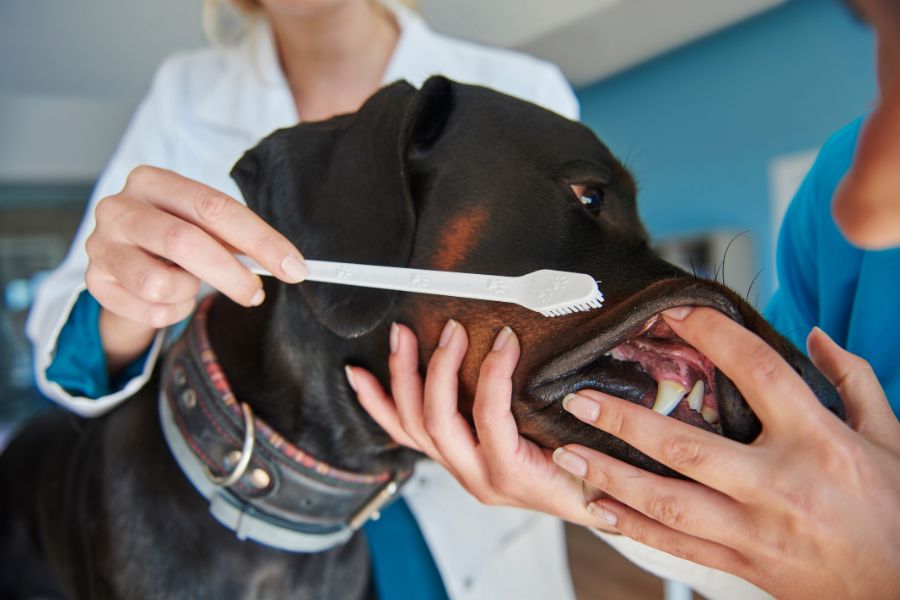
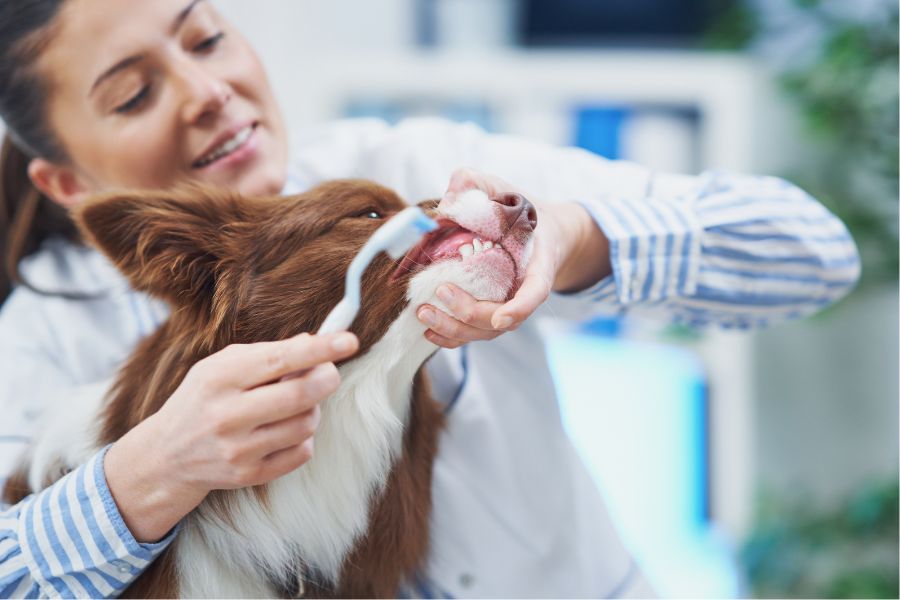
While diet and vet care are pillars of dental health, your daily habits also make a tremendous difference. Brushing your pet’s teeth regularly with pet-safe toothpaste prevents plaque buildup between vet visits. Dental chews and toys further help mechanically clean teeth and stimulate gums.
Ask your vet in Perkasie to guide you on the best dental products and feeding routines for your pet’s breed, age, and health status. This partnership ensures you are giving your pet the most comprehensive, personalized oral care possible.
FAQs About Diet and Pet Dentistry
1. Can diet alone prevent dental disease in pets?
While diet greatly influences dental health, it cannot replace regular veterinary dental care and home oral hygiene.
2. What kind of diet is best for my pet’s dental health?
High-quality dry kibble with balanced nutrients and minimal sugars or fillers is ideal. Consult your vet for species-specific recommendations.
3. Are dental treats effective for maintaining teeth?
Yes, dental treats approved by veterinarians can help reduce plaque and tartar when used alongside regular brushing.
4. How often should my pet see a dentist in Perkasie?
Annual professional dental checkups are recommended, though some pets with dental issues may need more frequent visits.
5. Is it safe to give my pet raw meaty bones for dental health?
Raw meaty bones can support oral health but carry risks such as tooth fractures or choking. Always consult your vet before introducing bones.
6. What role does hydration play in dental health?
Adequate water intake supports saliva production, which helps naturally cleanse the mouth and inhibit bacterial growth.
Feeding your pet with dental health in mind and supporting it with expert pet dentistry Perkasie care ensures your companion enjoys a bright smile and healthy mouth for years to come. Remember, good food, good habits, and professional care form the trifecta for lifelong oral wellness in pets.