Veterinary Wellness Care for Puppies & Kittens
in Perkasie, PA

At our animal hospital in Perkasie, Bucks County, PA, we prioritize comprehensive care for your newest furry family members. If you’re looking for an “animal clinic near me”, our Puppy and Kitten Care services are specifically designed to address the unique needs of young pets as they grow and develop.
Why It’s Important
The initial stages of a pet’s life are pivotal for their overall well-being. It is recommended that puppies and kittens undergo a thorough health examination by a veterinarian within the first few weeks of joining their new home. These early visits hold significant importance for several reasons:
- Preventive Healthcare: Timely identification and prevention of common health issues can be lifesaving and help minimize future healthcare expenses.
- Vaccination Protocols: Puppies and kittens require a series of vaccinations to safeguard them against serious diseases.
- Parasite Management: Young pets are especially vulnerable to parasites, which pose risks to both the pet and their human family members.
- Nutritional Counseling: Optimal nutrition plays a critical role in supporting growth and development. Our veterinary team offers tailored guidance to meet the specific dietary needs of your pet.

Preparing for Your Pet's First Veterinary Visit
Before your visit to our clinic, there are a few things you can do to prepare:
Collect Medical Records
If your pet has any existing medical history or has undergone prior vaccinations, gather these records to bring along to the appointment. If possible, please email records in advance.
Ensure Safe Transportation
Use a secure pet carrier for kittens or a leash and collar for puppies to guarantee their safety and alleviate any potential anxiety during travel.
Prepare Questions
Jot down any questions or concerns regarding your pet’s health, behavior, or overall care that you wish to discuss with our Perkasie veterinarians.

What to Expect at our Perkasie, Bucks County Animal Hospital
Upon your arrival at our animal hospital, here’s what you can expect:
Thorough Physical Exam
Our Perkasie, PA veterinarian will perform a meticulous physical assessment of your pet, examining their eyes, ears, mouth, and skin, to evaluate their overall health.
Vaccinations and Parasite Management
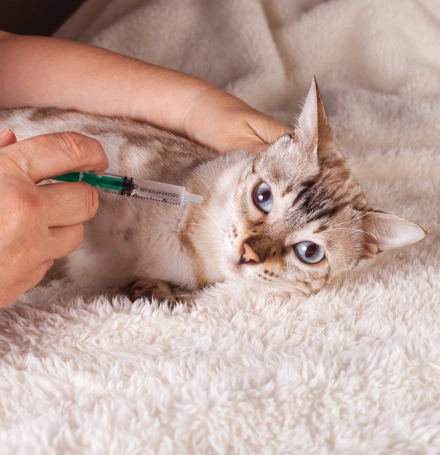
Depending on their age and medical background, your pet may undergo vaccinations to safeguard against diseases. Additionally, our veterinarian will propose a parasite control strategy to shield your pet from fleas, ticks, and worms.
Discussion on Spaying/Neutering
Our veterinarian will engage in a conversation about the benefits of spaying or neutering your pet, highlighting the health and behavioral advantages, and determining the best timing for the procedure.
Home Care Guidance
You will receive tailored advice on home care practices, encompassing proper feeding, exercise routines, and training techniques aimed at fostering your pet’s well-being and development.
Vaccine Schedule for Puppies and Kittens
* Kindly be aware that these are general guidelines; our veterinarians will customize the schedule as necessary to accommodate your pet’s individual needs.



Vaccine Schedule for Puppies
- 8 weeks (about 2 months): Distemper, parvovirus, adenovirus, and parainfluenza
- 10-12 weeks (about 3 months): Distemper, parvovirus, adenovirus, parainfluenza, and leptospirosis
- 14-16 weeks (about 3 and a half months): Distemper, parvovirus, adenovirus, parainfluenza, leptospirosis, and rabies
- 12-16 months: Distemper, parvovirus, adenovirus, parainfluenza, leptospirosis and rabies (booster)
Vaccine Schedule for Kittens
- 8 weeks (about 2 months): Feline herpesvirus, feline calicivirus, and feline panleukopenia
- 10-12 weeks (about 3 months): Feline herpesvirus, feline calicivirus, and feline panleukopenia
- 14-16 weeks (about 3 and a half months): Feline herpesvirus, feline calicivirus, feline panleukopenia, and rabies
- 12-16 months: Feline herpesvirus, feline calicivirus, feline panleukopenia, and rabies (booster)
What Are Parasites in Pets?
Parasites in pets encompass a range of organisms residing on or within animals, taking nutrients from them. Consistent parasite prevention and control, including the use of flea and tick preventatives and deworming medications, are crucial for maintaining your pets’ health and overall well-being.
Why is Parasite Protection Important for Puppies & Kittens?
Puppies and kittens have developing immune systems that aren’t yet fully equipped to combat parasitic infections effectively. These parasites can induce various health issues, including malnutrition, dehydration, anemia, and in severe cases, even death. Safeguarding your pets from parasites is crucial not only for their well-being but also for your family’s health, as certain parasites can be transmitted to humans, a concept referred to as zoonosis.
The Dangers of Parasitic Infections
Parasitic infections can hinder the growth and overall development of young animals, resulting in symptoms like weight loss, diminished coat quality, lethargy, and more. Furthermore, some parasites can instigate secondary infections or complications, underscoring the importance of adopting an early and proactive approach to parasite protection as a fundamental aspect of pet care.
Common Internal and External Parasites in Puppies & Kittens
Both puppies and kittens are vulnerable to a variety of parasites, including both internal and external types. Internal parasites reside inside the body of your pet, whereas external parasites take up residence on the skin or within the fur.
Internal Parasites
- Roundworms: Among the most prevalent internal parasites, they can induce a distended abdomen and diarrhea.
- Hookworms: These parasites attach themselves to the intestinal lining, feeding on your pet’s blood and resulting in anemia.
- Tapeworms: Often contracted from fleas, these parasites may be visible near your pet’s rear end or in their feces.
- Coccidia: A protozoal organism capable of causing watery, mucous-like diarrhea.
External Parasites
- Fleas: Beyond causing itching, fleas can provoke allergic reactions, anemia, and transmit tapeworms.
- Ticks: Carriers of serious diseases such as Lyme disease and Rocky Mountain spotted fever.
- Ear Mites: Highly contagious parasites that lead to intense itching and ear infections.
- Demodectic Mange: Resulting from mites that most dogs carry, and can lead to hair loss and skin infections if the immune system fails to control them.
Puppy and Kitten Parasite Testing in Perkasie, Bucks County
Parasite testing is an essential aspect of pet wellness. This process involves examining your pet’s blood, feces, or skin samples for signs of parasitic infection.
When Should You Get Your Puppy or Kitten Tested?
Puppies and kittens should undergo multiple parasite tests during their first year. The initial test should be conducted as early as 2 to 3 weeks of age for kittens and 2 to 4 weeks for puppies, since many are born with parasites passed from their mother.

FIV & FeLV in Cats
- FIV Transmission: Feline Immunodeficiency Virus (FIV) is akin to HIV in humans, as it similarly compromises the immune system. It predominantly spreads through deep bite wounds, where the virus in the saliva of an infected cat enters the bloodstream of another cat.
- FeLV Transmission: Feline Leukemia Virus (FeLV) is more contagious than FIV. It can be transmitted through mutual grooming, shared food and water bowls, litter boxes, or occasionally through bites. Kittens can also contract FeLV in utero or through their mother’s milk. This virus is notorious for causing anemia or lymphoma in cats and can lead to various other health complications.
Why it’s Important
Testing for FIV and FeLV is essential for early detection and effective management of these diseases. Here’s why testing should be a part of your cat’s veterinary care:
Preventing Spread
In a multi-cat household or when introducing a new cat, testing is crucial to prevent the transmission of FIV and FeLV. Knowing the health status of each cat enables you to make informed decisions about their interactions and living arrangements.
Tailored Veterinary Care
An FIV or FeLV positive diagnosis is not a death sentence. Many infected cats can live long, healthy lives with proper management. However, their veterinary care needs will differ from those of non-infected cats. They may require more frequent check-ups, specific vaccinations, and tailored treatments for secondary infections.
Informed Decisions
Knowing your cat’s FIV or FeLV status helps you make informed decisions about their lifestyle. Cats that test positive should live indoors to prevent spreading the virus to other cats and to minimize their risk of contracting other illnesses.

Pet Microchipping in Perkasie
Pet microchipping is a straightforward and routine procedure and can be performed during a routine wellness visit. A tiny chip, about the size of a grain of rice, is implanted under your pet’s skin, typically between the shoulder blades. This chip contains a unique identification number registered to you, the pet owner, in a national database.
Spaying & Neutering in Perkasie, Bucks County
Spaying for females and neutering for males are surgical procedures designed to prevent pets from reproducing. These operations provide health and behavioral benefits, contributing to a longer and healthier life for your pet.
When is the Best Time to Spay or Neuter Your Pet?
The ideal time to spay or neuter your pet is typically before they reach sexual maturity. For cats, this can be as early as four months of age. However, the exact timing may vary based on factors such as breed, size, and overall health. Consult with our Perkasie, PA veterinary team to determine the most appropriate age for your specific pet.
Nutrition Plans for Puppies and Kittens
Ensuring your young pets receive optimal nutrition is crucial for their growth and development. At our Perkasie vet clinic, we offer tailored nutrition plans to meet the specific needs of puppies and kittens. Our experienced veterinary team provides guidance on high-quality diets that support healthy bone growth, immune function, and overall well-being. We take into consideration factors such as breed, size, and any special dietary requirements to ensure your pet gets the best start in life.
Find a Puppy and Kitten Vet Near Me in Bucks and Montgomery County, PA
Finding a puppy and kitten vet near you in Bucks and Montgomery County is easy with our online direct booking feature. Both new and existing clients seeking puppy and kitten care may schedule an appointment at our Perkasie vet clinic.