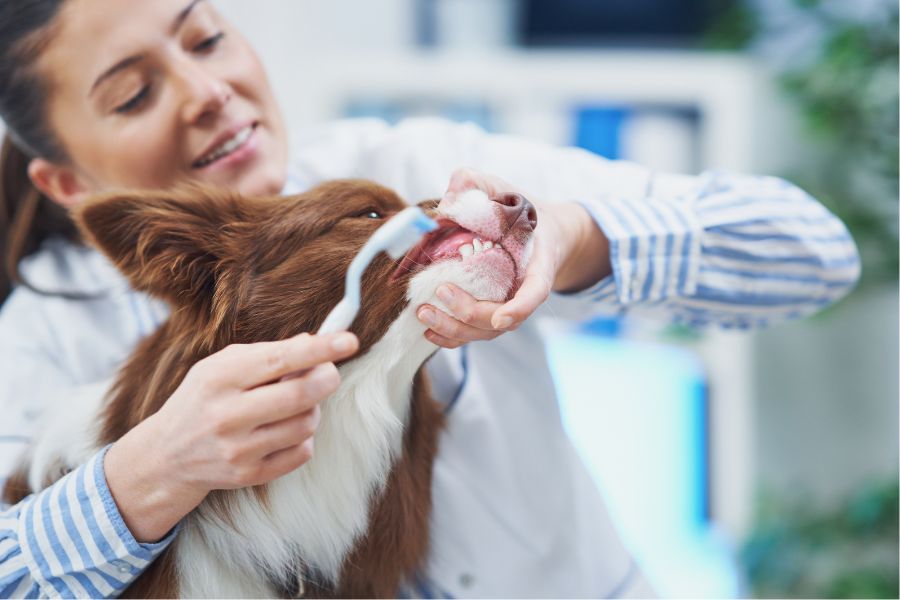
Keeping your pet’s teeth clean at home is one of the most effective ways to prevent dental disease, reduce bad breath, and support long-term health. With the right tools and simple daily habits, you can maintain strong, healthy teeth and gums for both dogs and cats. In this guide, you’ll learn practical ways to clean pet teeth at home, the best at-home dental care methods, and when to seek professional help. These pet dental hygiene tips will help you build a routine that supports better oral health and keeps your furry friend comfortable and happy.
Why Home Dental Care Matters for Pets
Pet dental care is more than just preventing bad breath—it directly impacts your pet’s overall health. When plaque hardens into tartar, bacteria can enter the bloodstream and affect vital organs like the heart, kidneys, and liver. That’s why establishing a routine to clean dog teeth at home or clean cat teeth at home is essential.
Untreated dental problems can lead to:
- Painful gum disease
- Tooth decay or tooth loss
- Difficulty chewing
- Infections affecting major organs
Regular pet dental care at home keeps your pet healthier, reduces risk of serious conditions, and minimizes the need for invasive cleanings later.
Signs Your Pet Needs Better Dental Care
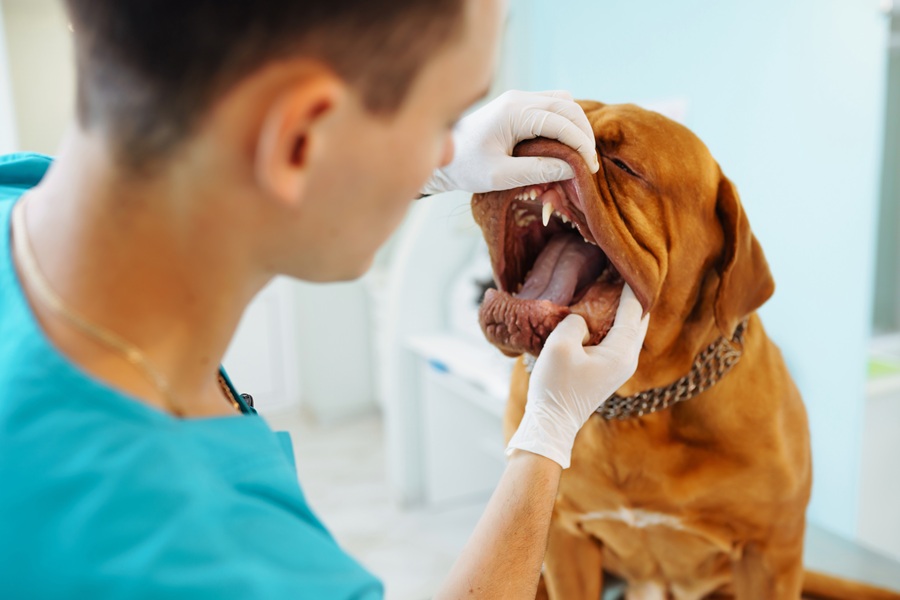
Pets often hide dental pain, so it’s important to recognize early warning signs. If you notice any of the following, your pet may need more consistent oral care or a professional dental exam.
Common symptoms include:
- Persistent bad breath
- Yellow or brown tartar buildup
- Red, inflamed, or bleeding gums
- Pawing at the mouth
- Drooling excessively
- Difficulty eating or chewing on one side
- Loose or missing teeth
Early detection helps prevent costly dental care treatments and keeps your pet more comfortable.
How to Clean Your Pet’s Teeth at Home Safely
Cleaning pet teeth at home doesn’t have to be stressful. With patience and the right technique, you can make dental care a positive routine for your pet.
Step-by-Step Brushing Guide
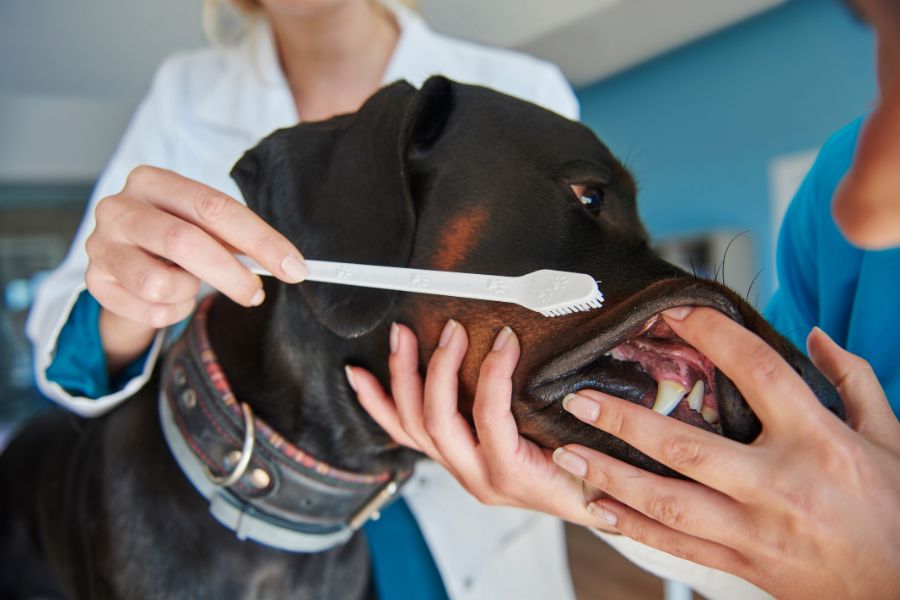
Brushing is the most effective method for reducing plaque and maintaining oral health.
- Choose the right toothbrush:
- Use a pet-specific toothbrush or a finger brush.
- Avoid human brushes with hard bristles.
- Use pet-safe toothpaste:
- Never use human toothpaste—it can be toxic.
- Pick flavors your pet likes, such as chicken or seafood.
- Start slowly:
- Let your pet sniff and lick the toothpaste first.
- Gently touch their teeth and gums with your finger before using the brush.
- Brush in circular motions:
- Focus on the outer surfaces where plaque collects.
- Brush for 30 seconds per side.
- Reward your pet:
- Give praise or a treat to keep the experience positive.
Aim to brush at least 3–4 times per week, though daily brushing is ideal.
Additional Ways to Clean Pet Teeth at Home
If your pet resists brushing, there are many alternatives to help reduce plaque and freshen breath.
Dental Chews and Treats
Dental chews are designed to scrub away plaque and stimulate saliva production. Look for:
- VOHC-approved products
- Treats appropriate for your pet’s size
- Limited-ingredient options for sensitive pets
Dental Wipes and Gels
Dental wipes can clean the outer surfaces of teeth if brushing isn’t an option. Gels help break down bacteria and freshen breath.
Water Additives
Water additives make cleaning your pet’s teeth effortless. Add a small amount to their daily drinking water to reduce bacteria and plaque.
Dental Toys
Rubber and rope toys help remove plaque as your pet chews. Always supervise playtime to ensure safety.
Home Dental Care Tips for Dogs vs. Cats
Dogs and cats have different personalities and oral health needs, so it helps to tailor your approach.
Cleaning Dog Teeth at Home
- Dogs typically tolerate brushing better with training.
- Chewing is natural for dogs—use safe chew toys to promote oral hygiene.
- Larger breeds may need more frequent brushing due to higher tartar buildup.
Cleaning Cat Teeth at Home
- Cats may resist brushing more but can adjust with slow desensitization.
- Use small finger brushes or cotton swabs for delicate mouths.
- Dental diets and treats designed for cats are highly effective.
Best Products for At-Home Pet Dental Care
A consistent routine is easier with the right tools. Here are recommended product categories:
- Enzymatic pet toothpaste
- Soft-bristle toothbrushes or finger brushes
- VOHC-approved dental chews
- Dental rinses or gels
- Plaque-reducing dietary supplements
- Dental diet kibble designed for tartar control
Before introducing new products, check with your veterinarian—especially if your pet has allergies or existing health concerns.
When to Seek Professional Pet Dental Care
Even with excellent at-home dental care, pets still need routine vet visits. A professional dental cleaning ensures that the areas below the gumline are properly cleaned.
You should schedule a veterinary exam if:
- Your pet shows signs of pain or bleeding
- There is visible tartar that doesn’t improve with brushing
- Your pet has persistent bad breath
- Teeth appear loose or fractured
- Your pet stops eating or avoids hard food
Professional pet dental care treatment protects your pet from serious oral diseases and helps maintain long-term oral health.
How Often Should Pets Get Professional Dental Cleanings?
Most pets need a professional dental cleaning once a year, though some may require more frequent care depending on breed, age, and genetics.
High-risk pets include:
- Small dog breeds
- Brachycephalic (flat-faced) pets
- Senior cats and dogs
- Pets with a history of dental disease
Your nearest veterinarian can evaluate your pet and recommend the right dental care schedule.
Conclusion
Keeping your pet’s teeth clean at home is one of the best things you can do to protect their long-term health. With consistent brushing, dental chews, water additives, and regular professional checkups, you can prevent plaque buildup, improve breath, and reduce the risk of painful dental issues.
Suppose you are conveniently located in Perkasie, PA and searching for the best pet dental care hospital near me. In that case, Dublin Veterinary Hospital is the right choice for compassionate, advanced, and reliable pet care.
FAQs
Q1: What is the easiest way to clean pet teeth at home?
Ans: The easiest method is brushing with pet-safe toothpaste, but dental wipes, chews, and water additives also help reduce plaque.
Q2: How often should I brush my dog’s teeth at home?
Ans: Brush your dog’s teeth at least 3–4 times per week, though daily brushing offers the best protection.
Q3: Can I use human toothpaste to clean pet teeth?
Ans: No, human toothpaste is unsafe for pets and can cause toxicity. Always use specially formulated pet toothpaste.
Q4: What are the best dental treats for cats?
Ans: Look for VOHC-approved dental treats made for cats, which are proven to help control plaque and tartar.
Q5: When does my pet need a professional dental cleaning?
Ans: If you notice bad breath, tartar buildup, bleeding gums, or difficulty eating, schedule a veterinary dental exam promptly.