Pets can develop dental problems like bad breath, tooth decay, and oral pain. These issues are often ignored but can impact your pet’s overall health. Fortunately, with proper care, they can be prevented. Let’s look at some simple ways to keep your pet’s mouth healthy and comfortable for years to come.
Why Pet Dental Health Matters?
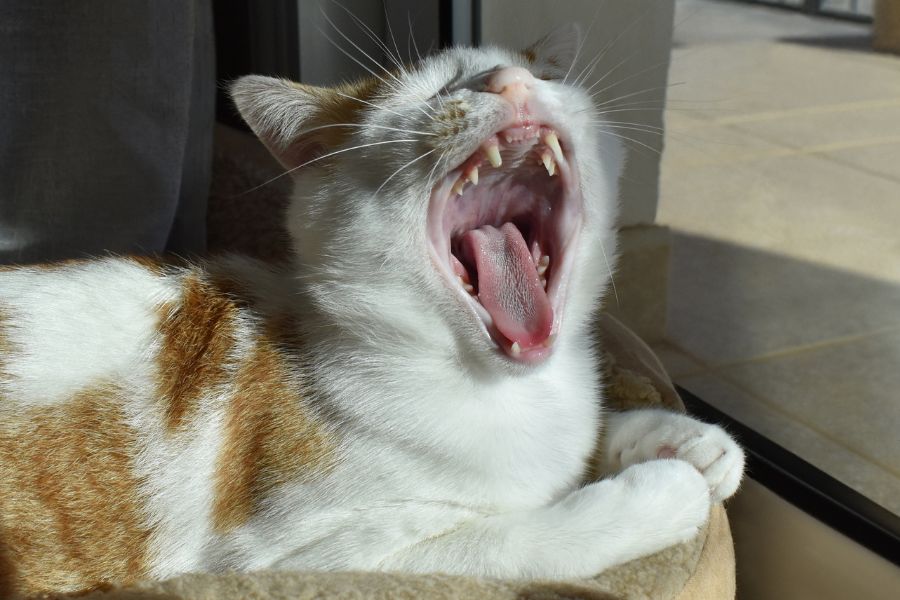
Pet dental health involves more than just bad breath. If untreated, conditions like gum disease and tooth decay can cause pain and make eating difficult. These issues may also lead to infections that impact other parts of your pet’s body. Bacteria from poor oral care can spread to the heart, kidneys, and liver, increasing the risk of serious health problems. Often, bad breath is the first sign of dental issues. Addressing it early can prevent further complications. Regular brushing, professional cleanings, and dental-friendly treats are effective ways to keep your pet’s mouth healthy and maintain their bright smile.
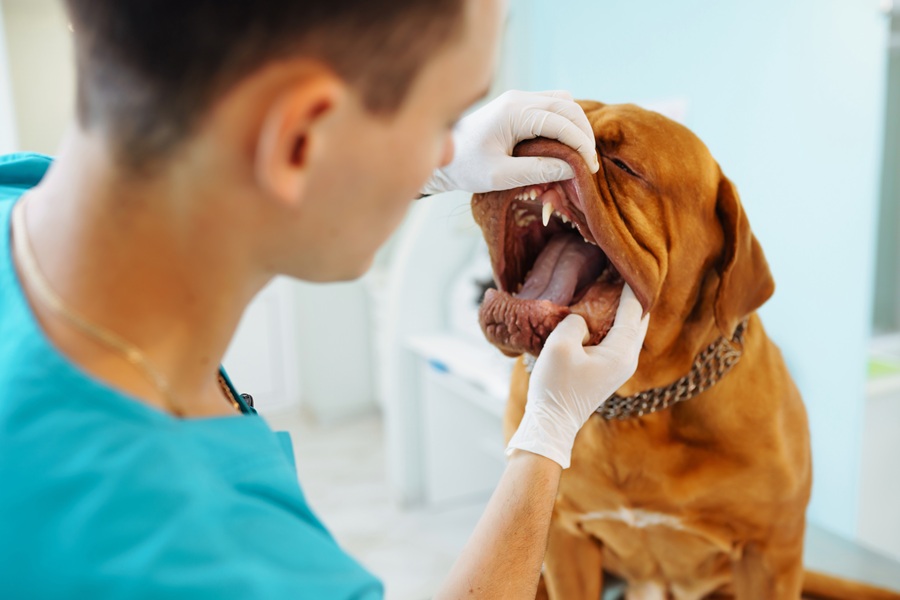
Taking care of your pet’s dental health is important for their overall happiness. Good dental habits, like regular brushing and offering dental treats or specially formulated food, can make a big difference. Veterinarians can check your pet’s mouth during routine visits, perform professional cleanings, and spot any problems early.
Preventing Bad Breath in Pets
Bad breath, also known as halitosis, is a common concern for pets, especially dogs and cats. While occasional bad breath is normal, persistent bad odor can signal dental problems such as plaque buildup, gum disease, or infections. Maintaining good oral hygiene is essential for preventing bad breath. Here are some simple steps you can take to keep your pet’s breath fresh.
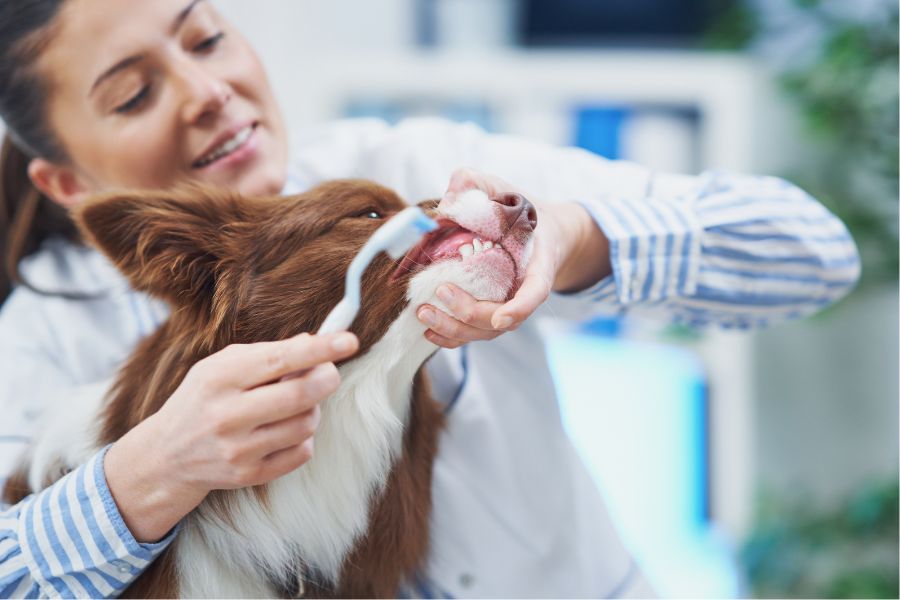
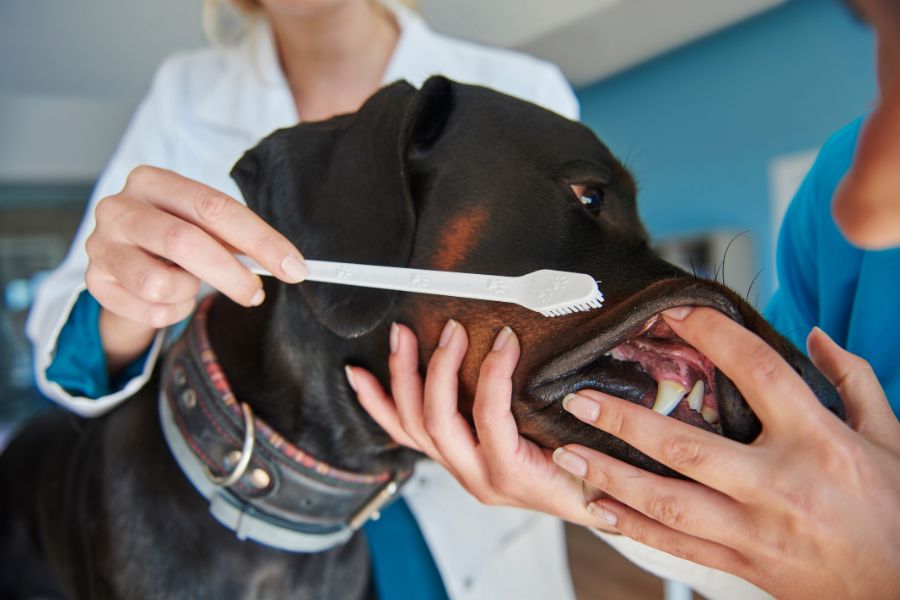
- Brush regularly: Brushing your pet’s teeth with a pet-safe toothbrush and toothpaste is the best way to remove plaque and prevent bad breath.
- Use dental chews: Dental chews help break down plaque and tartar as your pet chews, reducing bad breath and promoting healthier gums.
- Offer dental-friendly water additives: These can be added to your pet’s drinking water to help freshen their breath and reduce plaque buildup.
- Schedule professional cleanings: A professional dental cleaning by your veterinarian will remove built-up plaque and tartar from areas brushing can’t reach.
By keeping up with a routine of brushing and providing dental chews, you can reduce your pet’s chances of developing chronic bad breath and other dental problems that come with it.
Reducing Pain and Discomfort from Dental Issues
Dental pain is often overlooked in pets because they instinctively hide it. However, symptoms such as reluctance to eat, pawing at the mouth, or excessive drooling are signs that your pet may be in discomfort. Ignoring dental pain can lead to more severe complications, including infections that can spread to other parts of the body. Here’s how to reduce pain and discomfort:
- Look for early signs of pain: If your pet has trouble eating, chews on one side of their mouth, or shows signs of excessive drooling, they may be experiencing dental pain.
- Provide soft food: If your pet is experiencing dental pain, switch to soft food or wet food that is easier to chew.
- Regular checkups and cleanings: Preventive care from your nearest veterinarian at Perkasie can catch dental problems early, before they become painful.
- Treatment options: If your pet develops dental issues, your vet can provide treatments, including tooth extractions and antibiotics to treat infections and relieve pain.
By keeping up with regular dental cleanings and staying alert to signs of discomfort, you can ensure that your pet remains pain-free and happy.
Maintaining Long-Term Pets’ Dental Health
Pets’ dental health can be maintained long-term through a combination of good at-home care and regular vet visits. Preventing tooth decay, gum disease, and bad breath requires a proactive approach that includes:
- Establishing a brushing routine: Daily brushing is the most effective way to maintain healthy teeth and gums. Use a soft toothbrush and a pet-safe toothpaste.
- Dental diets and treats: Choose foods and treats specifically designed to help reduce plaque and tartar buildup.
- Professional dental care: Schedule annual or semi-annual professional dental cleanings with your veterinarian. Professional pet dental care helps remove tartar that may not be eliminated through brushing alone.
- Providing appropriate dental toys: Dental toys help reduce plaque buildup and provide your pet with a safe chew toy.
Pets’ dental health should be treated as an ongoing effort. Early intervention and consistent care will allow your pet to live a healthier, happier life without the pain and complications of dental disease.
Take Action for Your Pet’s Oral Health
Taking your pet’s dental needs seriously is essential to keeping your pet happy and healthy. Taking the time to ensure your pet practices good dental hygiene can help prevent problems such as bad breath, cavities, and pain, thereby improving your pet’s quality of life.
Located conveniently in Perkasie, PA, if you are seeking a solution to protect your pet’s dental needs, Dublin Veterinary Hospital is here to assist you with our professional pet dental exams and cleanings.
FAQs
1. What are the signs of dental problems in pets?
Ans: Pets with dental issues may show signs like bad breath, difficulty eating, drooling, pawing at their mouth, or avoiding hard food. Early detection is vital for treatment.
2. How often should I brush my pet’s teeth?
Ans: Ideally, you should brush your pet’s teeth at least twice a week to help prevent plaque buildup and maintain their dental health.
3. Are dental chews effective for my pet?
Ans: Yes, dental chews help reduce plaque and tartar buildup and freshen your pet’s breath. However, they should complement, not replace, regular brushing and vet checkups.
4. What’s the best diet for my pet’s teeth?
Ans: A diet formulated to reduce plaque buildup, such as dental-specific kibble, can help prevent dental problems. Always consult your vet to find the best food for your pet’s needs.
5. Can gum disease be treated in pets?
Ans: Yes, gum disease can be treated, especially if caught early. Your vet may recommend a professional cleaning, followed by at-home care to prevent it from returning.