Cats may seem low-maintenance when it comes to grooming, but their dental health tells a different story. Understanding facts about cat teeth can help you prevent serious health issues and improve your pet’s overall well-being. In this guide, we’ll explore interesting cat teeth facts, how they relate to cat oral health, and what you can do to maintain proper cat dental care at home.
Why Cat Teeth Matter More Than You Think
Many pet owners overlook dental care, assuming cats naturally maintain their teeth. However, poor cat oral health can lead to pain, infections, and even organ damage.
Cats use their teeth not just for eating, but also for grooming, hunting instincts, and defense. This makes cat dental care an essential part of routine wellness, especially for pet owners in Perkasie, where seasonal changes can influence overall pet health.
15 Fascinating Facts About Cat Teeth
1. Cats Have 30 Adult Teeth
Adult cats typically have 30 permanent teeth, including incisors, canines, premolars, and molars. Each type plays a role in tearing and cutting food rather than grinding.
2. Kittens Start With Baby Teeth
Kittens are born without teeth. Their baby teeth begin appearing at around 2–3 weeks and are eventually replaced by adult teeth by 6 months.
3. Cats Don’t Chew Like Humans
One of the most surprising and interesting cat teeth facts is that cats don’t chew their food thoroughly. Their teeth are designed for slicing meat, not grinding.
4. Dental Disease Is Extremely Common
By age three, most cats show signs of dental disease. This highlights the importance of early cat dental care and regular vet visits.
5. Cats Can’t Get Cavities Like Humans
Unlike humans, cats rarely get cavities due to their low-sugar diets. However, they are prone to gum disease and tooth resorption.
6. Tooth Resorption Is a Major Issue
Tooth resorption is a painful condition where the tooth structure breaks down. It’s one of the most common dental problems in cats.
7. Cats Use Their Teeth for Grooming
Cats rely on their teeth to remove dirt and parasites from their fur. Healthy teeth are essential for proper grooming.
8. Bad Breath Isn’t Normal
If your cat has persistent bad breath, it’s usually a sign of underlying dental issues. Fresh breath is a key indicator of good cat oral health.
9. Cats Have Specialized Canine Teeth
Their sharp canine teeth are designed for gripping and killing prey. Even indoor cats retain this evolutionary feature.
10. Dry Food Doesn’t Clean Teeth Completely
Many believe kibble cleans teeth, but it only provides minimal abrasion. Proper cat dental care still requires brushing and professional cleaning.
11. Gum Disease Can Affect Organs
Bacteria from dental infections can enter the bloodstream and impact the heart, liver, and kidneys.
12. Cats Hide Dental Pain
Cats are masters at hiding discomfort. You may not notice issues until they become severe.
13. Drooling Can Signal Trouble
Excessive drooling or pawing at the mouth often indicates dental pain or infection.
14. Regular Dental Exams Are Crucial
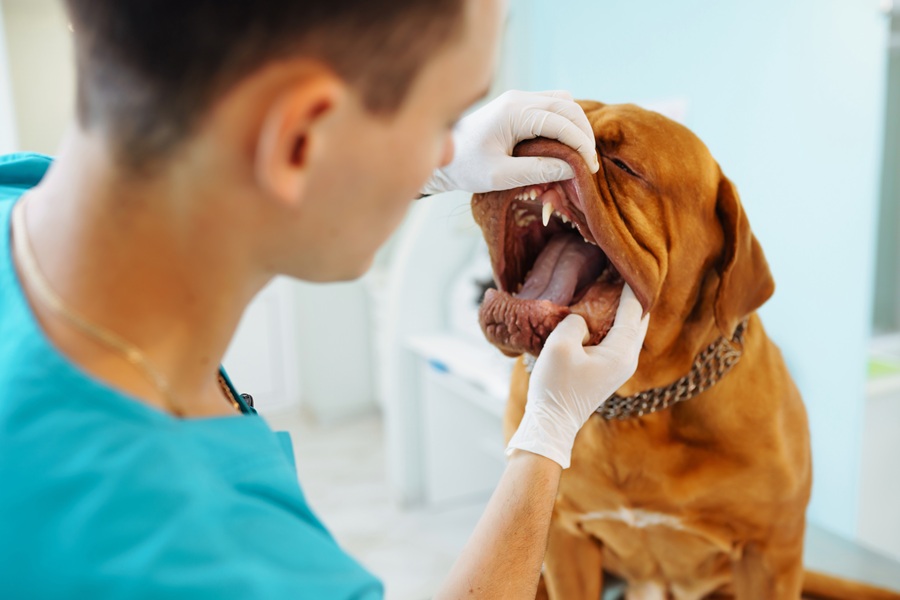
Annual dental checkups help catch problems early and maintain long-term cat oral health.
15. Brushing Your Cat’s Teeth Is Possible
With patience and the right tools, you can train your cat to tolerate brushing, one of the best ways to support cat dental care.
Common Signs of Dental Problems in Cats
Recognizing early symptoms can prevent serious complications. Watch for:
- Bad breath
- Red or swollen gums
- Difficulty eating
- Drooling
- Yellow or brown tartar buildup
- Behavioral changes
If you notice any of these, it’s time to consult your nearest veterinarian.
How to Maintain Proper Cat Dental Care
Daily Brushing
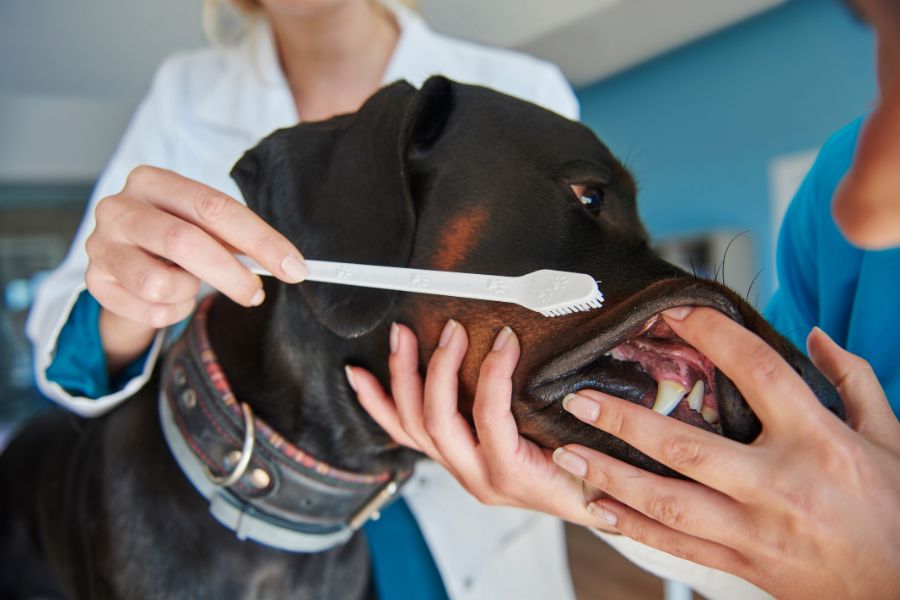
Brushing your cat’s teeth daily or several times a week helps reduce plaque buildup.
Dental Treats and Toys
Special dental treats and chew toys can support oral hygiene between brushings.
Regular Vet Visits
Professional cleanings are essential for maintaining your cat’s oral health and preventing disease progression.
Balanced Diet
Feeding a high-quality diet supports overall health, including teeth and gums.
Local Insight for Pet Owners
In areas like Perkasie, seasonal weather changes can influence your cat’s hydration and eating habits. Reduced water intake during colder months can impact oral health, making cat dental care even more important year-round.
Local veterinary clinics in Perkasie often recommend routine dental exams as part of annual wellness plans to keep your pet healthy and comfortable.
When to See a Veterinarian
You should schedule a dental checkup if your cat shows:
- Persistent bad breath
- Difficulty chewing
- Bleeding gums
- Loose or missing teeth
Early intervention can save your cat from pain and costly treatments later.
Conclusion
Understanding these facts about cat teeth can make a significant difference in your pet’s quality of life. From preventing dental disease to recognizing early warning signs, proper care is essential. By focusing on consistent cat dental care and monitoring your cat’s oral health, you can help them live a longer, healthier life.
If you notice any dental concerns, schedule a checkup with Dublin Veterinary Hospital today to ensure your cat gets the expert care they deserve.
FAQs
Q1: How often should I brush my cat’s teeth?
Ans: Ideally, brush your cat’s teeth daily. If that’s not possible, aim for at least 2–3 times per week to maintain good cat oral health.
Q2: What are the early signs of dental disease in cats?
Ans: Common signs include bad breath, red gums, drooling, and reduced appetite. Early detection helps prevent serious complications.
Q3: Can cats live without teeth?
Ans: Yes, cats can adapt well without teeth and still eat soft food comfortably, but preventing tooth loss through proper cat dental care is always better.
Q4: Are dental treats enough for cat dental care?
Ans: Dental treats help reduce plaque but are not a substitute for brushing and professional cleanings.
Q5: How often should my cat have a dental checkup?
Ans: Most cats should have a dental exam at least once a year, or more frequently if they have existing oral health issues.