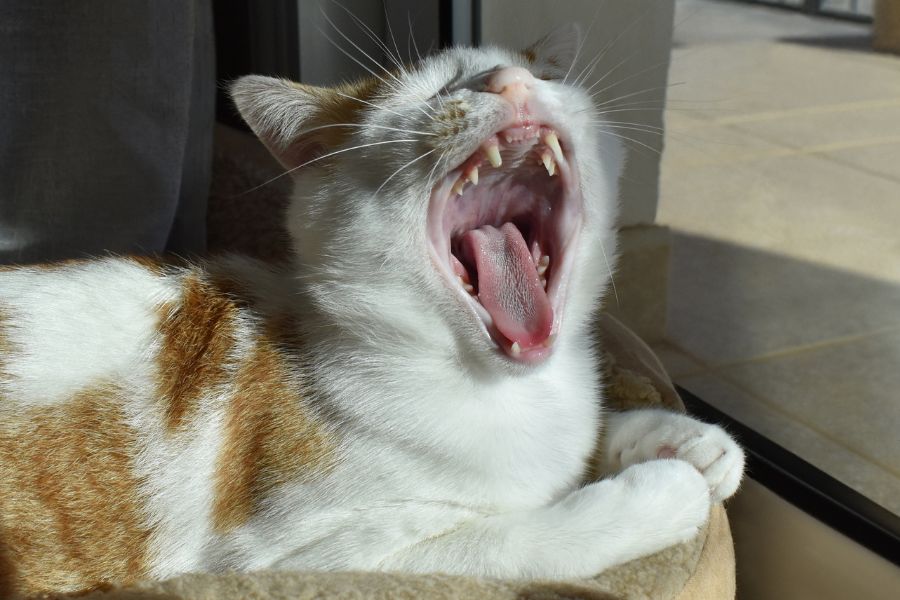
Every pet parent has experienced it: a sudden whiff of their dog’s or cat’s breath that makes them recoil. While it’s easy to dismiss bad breath as “normal dog breath” or “just a cat thing,” persistent odor is often a warning sign. In many cases, foul breath suggests your pet may need professional dental attention. Luckily, pet dentistry Perkasie offers solutions to treat underlying causes and restore fresh breath and better health.
The Hidden Connection Between Bad Breath and Health
Bad breath, also known as halitosis, doesn’t develop without reason. It’s usually linked to bacteria, plaque, and tartar buildup in your pet’s mouth. Over time, this can inflame the gums, damage teeth, and even release harmful bacteria into the bloodstream. When ignored, a simple case of bad breath may escalate into serious oral disease that affects the heart, kidneys, and liver.
Early Signs That Bad Breath Shouldn’t Be Ignored
Bad breath is rarely an isolated issue—it often comes with additional symptoms. Watch for:
- Swollen, red, or bleeding gums.
- Difficulty chewing or reluctance to eat.
- Excessive drooling.
- Loose or missing teeth.
- Pawing at the mouth or signs of oral discomfort.
If you notice these alongside unpleasant breath, it may be time to book a dental checkup with a trusted provider of pet dentistry in Perkasie.
Common Causes of Foul Breath in Pets
While gum disease tops the list, there are other culprits for your pet’s less-than-fresh breath:
- Plaque and Tartar Buildup – Sticky layers of bacteria that harden on teeth.
- Gingivitis and Periodontal Disease – Infections of the gums that deepen over time.
- Diet and Foreign Objects – Chewing on inappropriate items or eating unsuitable food can impact oral health.
- Underlying Illnesses – Sometimes bad breath stems from diabetes, kidney disease, or digestive disorders.
Because of this wide range, only a thorough exam by a veterinarian experienced in pet dentistry can pinpoint the real cause.
Why Routine Dental Care Is a Game-Changer
Beyond fresh breath, dental care preserves your pet’s overall health. Annual cleanings, at-home brushing, and regular checkups prevent plaque from hardening into tartar. By prioritizing dental health, you save your pet painful procedures in the future while also saving yourself from costly treatments down the road.
What Happens During Professional Pet Dental Visits
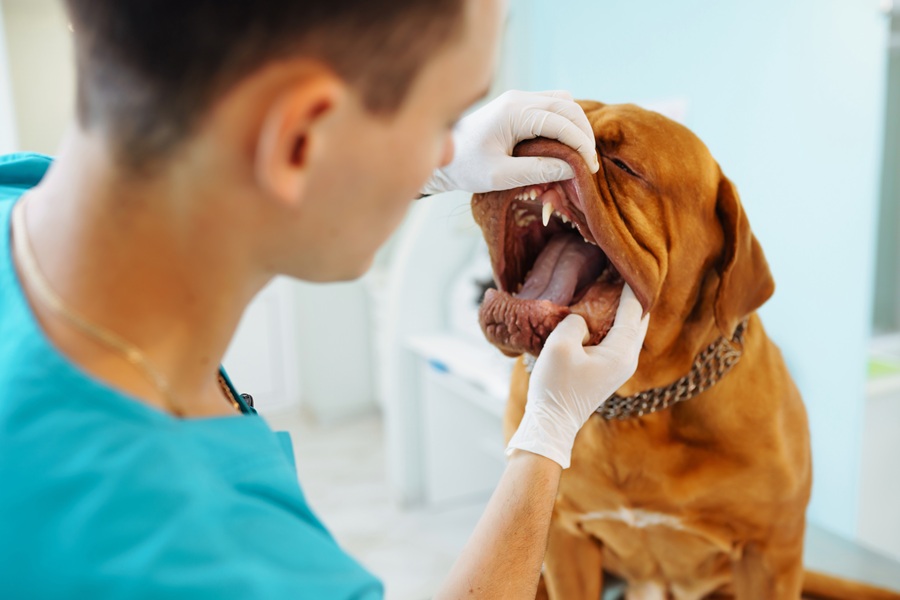
Professional veterinary dental care typically includes:
- A complete oral exam under anesthesia.
- Removal of tartar and plaque with special instruments.
- Polishing to protect tooth enamel.
- X-rays to check roots and bone structure.
- Extractions if damaged or infected teeth are present.
Specialists offering pet dentistry use safe, modern equipment to ensure pets remain comfortable and monitored during the procedure.
Your Role as a Pet Parent
While professional cleanings are essential, you can do plenty at home:
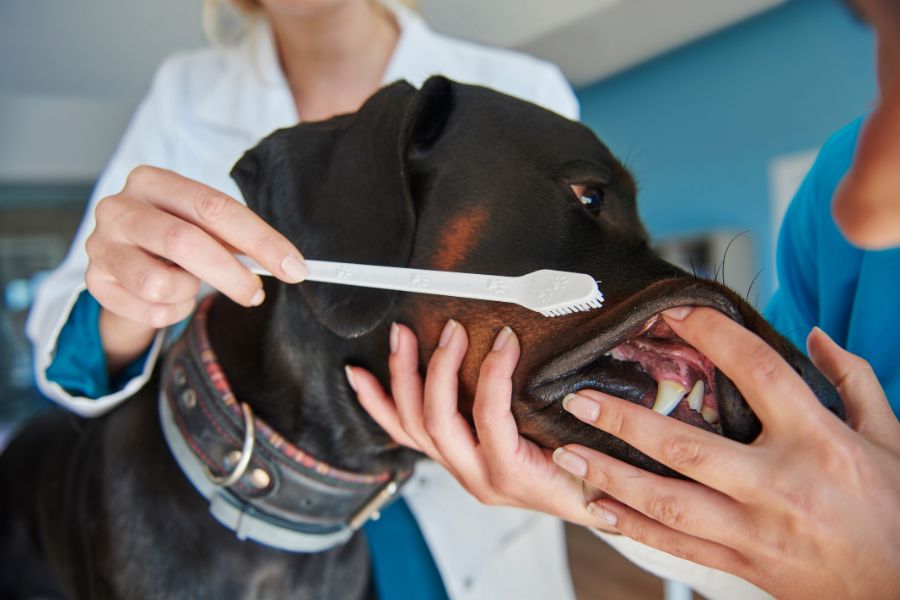
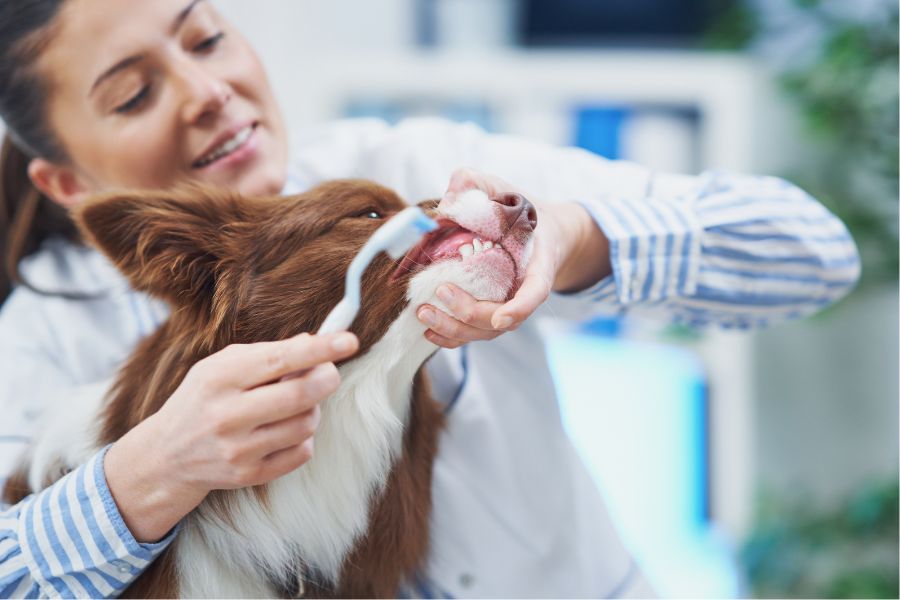
- Brush your pet’s teeth with vet-approved toothpaste.
- Offer dental chews or toys designed to reduce plaque.
- Stick to quality pet food that supports oral health.
- Monitor their mouth for early signs of gum or tooth problems.
These small but consistent steps go a long way in maintaining your pet’s oral and overall health.
The Link Between Bad Breath and Quality of Life
When pets live with chronic dental pain, it affects more than just their mouth. They may eat less, lose energy, and withdraw from playtime or affection. Fresh breath isn’t just about comfort for you—it’s an indicator that your pet is happy and healthy. Addressing dental care means giving them a better quality of life, which is every pet parent’s ultimate goal.
FAQs About Bad Breath and Pet Dental Care
Q1. Is bad breath always caused by dental problems?
Ans. Not always. While poor oral health is the most common cause, bad breath can also result from diseases like diabetes or kidney issues. That’s why proper exams are important.
Q2. How often should my pet receive professional dental cleaning?
Ans. Most pets benefit from annual dental cleanings, though some may need more frequent visits depending on age, breed, and oral health. Consult pet dentistry Perkasie experts for a tailored plan.
Q3. Can I brush my pet’s teeth at home?
Ans. Yes! Daily brushing is ideal, but even a few times a week can help reduce plaque buildup and control odor. Always use pet-safe toothpaste.
Q4. Are dental chews enough to prevent bad breath?
Ans. Dental chews can help, but they are not a substitute for professional dental care. They’re best used in combination with regular cleanings and tooth brushing.
Q5. Does anesthesia during dental cleaning pose risks?
Ans. While there are always minor risks with anesthesia, modern monitoring and technology make the procedure very safe. The benefits of oral health far outweigh the risks.
Q6. When should I call a vet about my pet’s breath?
Ans. If bad breath is persistent, foul-smelling, or accompanied by difficulty eating or gum problems, schedule an appointment immediately with a provider of pet dentistry Perkasie.
Final Thoughts
Bad breath is more than a minor inconvenience—it’s often the first sign of deeper dental issues in pets. By paying attention to your pet’s oral health, you protect not only their teeth and gums but also their overall wellbeing.
Investing in pet dentistry Perkasie ensures that those “smelly kisses” turn into signs of a happy, healthy companion. After all, fresh breath doesn’t just make cuddle time sweeter—it’s proof your pet is thriving.