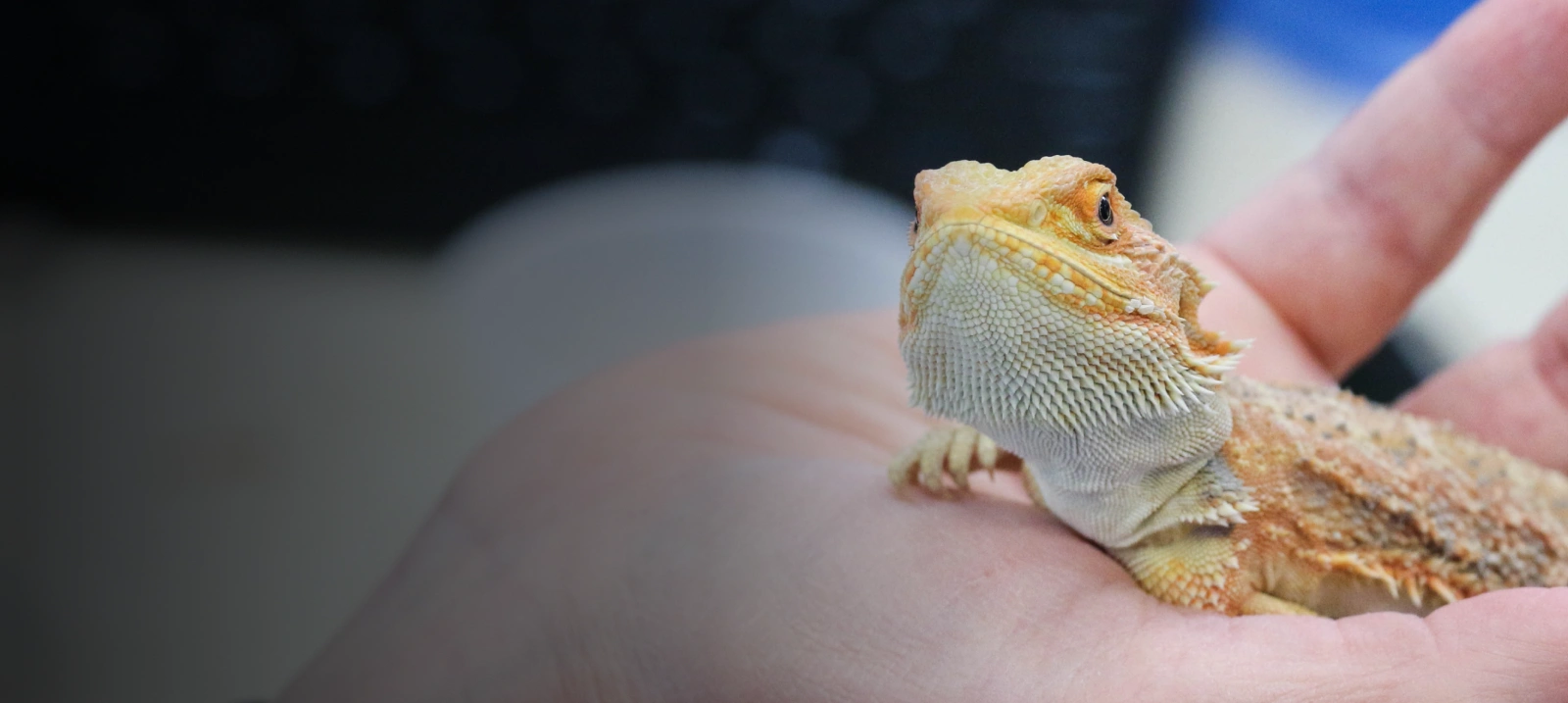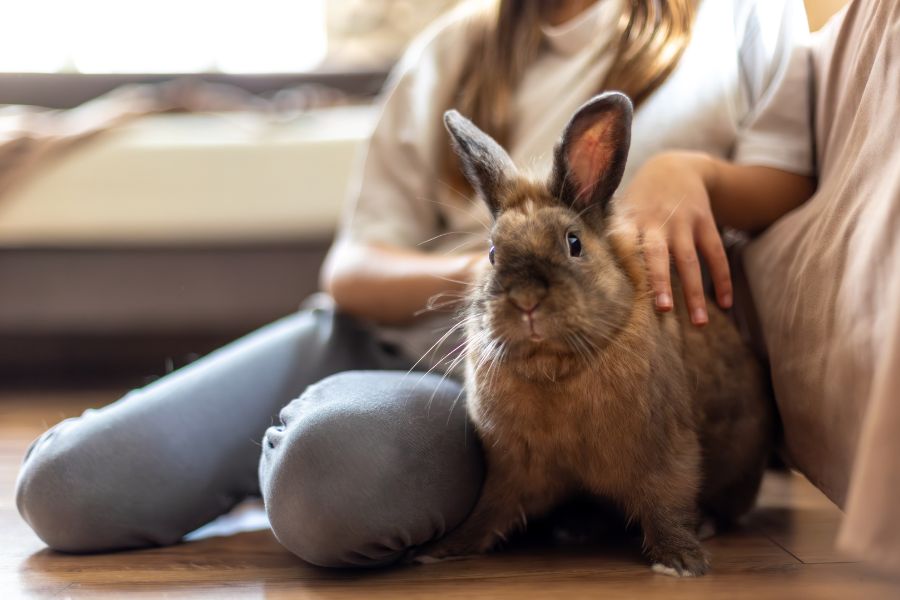
Thunder cracks, the windows rattle, and your rabbit is suddenly thumping in circles or your guinea pig has gone silent in the back of the cage. Many small pet owners feel helpless watching this happen. Learning how to keep small pets calm storms can protect their health, since prolonged stress can suppress appetite and weaken the immune system in rabbits, guinea pigs, and other small mammals. This article covers why small pets react so strongly to severe weather, the signs of storm-related stress, and practical steps you can take before, during, and after a weather event to help your pet feel safe.
Understanding Storm Anxiety in Small Pets
Small pets rely heavily on their senses of hearing and smell, and both are affected dramatically during severe weather. Rabbits, guinea pigs, ferrets, and hamsters can detect the drop in barometric pressure and the low-frequency rumble of thunder long before humans notice a storm rolling in. Because these animals are prey species by nature, their instinct is to freeze, hide, or bolt when they sense danger.
Severe weather pet anxiety is more common than many owners realize. As prey animals, small pets do not have the option to reason through a loud noise the way a person might. Their nervous system simply registers threat and triggers a fight, flight, or freeze response, often before the storm even arrives.
Signs and Symptoms to Watch For
Recognizing stress early allows you to intervene before it escalates. Watch for these signs in your small pet:
- Rapid, shallow breathing or a racing heartbeat you can feel when holding them
- Excessive hiding, burrowing, or refusing to come out of a hideaway
- Repetitive thumping in rabbits or teeth chattering in guinea pigs
- Loss of appetite or ignoring favorite treats
- Frantic circling, pacing, or attempts to escape the enclosure
If you notice any of these signs, contact your veterinarian promptly. In our experience, pet owners often mistake mild storm stress for illness, when in fact the pet is simply reacting to the noise and pressure changes and calms once the storm passes.
Causes and Risk Factors
Several factors make some small pets more sensitive to severe weather than others. Age plays a role, since very young and senior animals often startle more easily. Past trauma matters too. A pet that experienced a frightening storm previously may associate future weather changes with that same fear.
Cage placement inside the home also affects stress levels. An enclosure near a window or exterior wall exposes your pet to more sound and vibration than one placed in an interior room. Seasonal patterns matter as well. Pet owners often tell us that spring and summer thunderstorms cause more noticeable reactions than the steady winter weather their pets are used to.
Breed and species also shape sensitivity. Guinea pigs tend to freeze and vocalize, while rabbits are more likely to thump or bolt. Ferrets may become unusually clingy or withdrawn.
How Storm Stress Is Recognized and Managed
When a pet owner brings in a small pet showing signs of chronic stress, the veterinary team follows a clear process to rule out other causes and confirm the issue is weather-related.
- A full physical exam checks heart rate, respiration, and body condition to rule out underlying illness
- The owner is asked about the timing of symptoms in relation to recent storms or loud events
- Environmental factors, including cage placement and household noise, are reviewed
- A calming plan is created based on the pet’s species, age, and stress level
- Follow-up is scheduled if symptoms continue beyond the storm itself
Many small mammals we examine after a storm show no medical abnormalities at all. Their symptoms resolve once the environment quiets down, which confirms the reaction was situational stress rather than an underlying health problem. Studies on captive prey animals suggest that up to 30 percent show measurable stress responses to sudden loud noises, which helps explain why this is such a common concern among small pet owners.
Prevention and Home Care Tips
There is a common misconception that small pets simply get used to storms over time. In reality, many animals become more sensitive with repeated exposure, not less, especially if early experiences were frightening. Proactive steps make a real difference:
- Move the enclosure to an interior room away from windows before severe weather arrives
- Provide a solid hideaway or den where your pet can burrow out of sight
- Use a white noise machine or soft radio to mask thunder and wind sounds
- Cover part of the cage with a light blanket to reduce visual stimulation from lightning
- Maintain your normal feeding and handling routine so your pet has a sense of stability
At Dublin Veterinary Hospital, our team often recommends a calming plan tailored to the individual pet rather than a one-size-fits-all approach, since a rabbit and a ferret respond very differently to the same storm.
How Can I Calm My Small Pet During a Storm?
Move your pet’s enclosure to a quiet interior room, cover part of the cage to block flashing light, and add a hideaway so they can burrow out of sight. Playing soft background noise helps mask thunder, and keeping your own voice and movements calm reinforces to your pet that there is no immediate danger.
Storm anxiety in small pets is a real and manageable issue once you understand what is driving it. Learning how to keep small pets calm during storms starts with recognizing early signs of stress, adjusting the home environment, and maintaining a predictable routine before severe weather hits. With the right hideaway, sound management, and a calm approach from you, most small pets settle far more quickly than owners expect. If storm-related stress seems severe or does not improve once the weather passes, the team at Dublin Veterinary Hospital is here to help. Book an appointment today.
Frequently Asked Questions
Q: Why do rabbits thump during thunderstorms?
Ans: Rabbits thump as a natural alarm response to perceived danger, and thunder or sudden pressure changes can trigger this instinct even indoors.
Q: Do guinea pigs get scared during storms?
Ans: Yes, guinea pigs are highly sensitive to loud noises and often freeze, hide, or chatter their teeth when a storm is nearby.
Q: What household sounds help calm a stressed small pet?
Ans: A white noise machine, soft radio, or fan can help mask thunder and wind, reducing how much of the storm your pet actually hears.
Q: How long does storm anxiety last in small pets?
Ans: Most small pets calm down within an hour or two after a storm passes, though highly sensitive individuals may need extra time and a quiet space.
Q: When should I contact a vet about my pet’s storm anxiety?
Ans: Reach out if stress symptoms continue well after the storm ends, if your pet stops eating, or if you notice ongoing changes in breathing or behavior.