Rabbits, hamsters, and guinea pigs may be small pets, but they have big needs when it comes to mental stimulation, exercise, and enrichment. Without appropriate toys and activities, these curious animals can become bored, stressed, or even develop unwanted behaviors. Choosing safe toys is an important part of keeping your small pet healthy, active, and engaged.
In this guide, we’ll explore the best safe toys for rabbits, hamsters, and guinea pigs, why enrichment matters, and how pet owners can create a more stimulating environment that supports both physical and mental well-being.
Why Toys Are Important for Small Pets
Many people assume small pets are content spending their days in a cage or enclosure. Still, rabbits, hamsters, and guinea pigs are naturally active animals that need opportunities to explore and interact with their surroundings.
Safe toys help provide:
- Mental stimulation
- Physical exercise
- Natural chewing opportunities
- Stress reduction
- Boredom prevention
- Healthy behavioral development
Enrichment is essential for maintaining your pet’s overall quality of life and supporting long-term health.
What Makes a Toy Safe for Small Pets?
Not every pet toy sold in stores is appropriate for every species.
When selecting toys, look for options that are:
- Made from non-toxic materials
- Free of small parts that can be swallowed
- Durable and species-appropriate
- Easy to clean
- Free of sharp edges
- Sized appropriately for your pet
Always supervise your pet when introducing a new toy and inspect toys regularly for wear and damage.
Best Safe Toys for Rabbits
Rabbits are intelligent, social animals with a natural need to chew, dig, and explore.
Chew Toys
Rabbit teeth continuously grow throughout life, making safe chewing opportunities essential.
Good options include:
- Untreated wood chew blocks
- Applewood sticks
- Willow balls
- Natural grass mats
Chewing helps maintain dental health and prevents boredom.
Tunnels and Hideouts
Rabbits naturally enjoy hiding and exploring enclosed spaces.
Safe tunnel options include:
- Fabric tunnels
- Cardboard tunnels
- Rabbit-safe play tubes
These toys encourage exercise and support natural behaviors.
Foraging Toys
Foraging toys challenge rabbits mentally and mimic natural feeding activities.
Examples include:
- Treat puzzles
- Hay-filled toys
- Food-dispensing enrichment balls
Foraging activities provide both stimulation and physical activity.
Digging Boxes
Many rabbits enjoy digging.
Create a safe digging area using:
- Shredded paper
- Paper bedding
- Cardboard pieces
Digging boxes can help redirect instincts away from carpets and furniture.
Best Safe Toys for Hamsters
Hamsters are naturally curious and highly active, especially during the evening and nighttime hours.
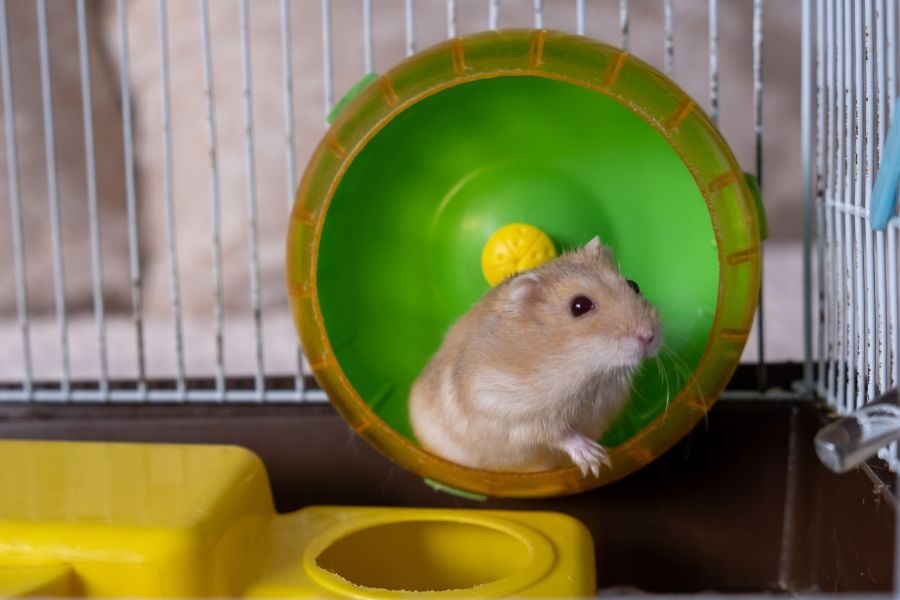
Exercise Wheels
A high-quality exercise wheel is one of the most important toys for hamsters.
Look for:
- Solid running surfaces
- Appropriate wheel size
- Smooth operation
- Stable construction
Avoid wire wheels, which can contribute to foot injuries.
Tunnels and Tubes
Hamsters love exploring underground-style environments.
Popular options include:
- Plastic tunnels
- Cardboard tubes
- Modular habitat systems
These toys encourage movement and exploration.
Chew Toys
Like rabbits, hamsters’ teeth grow continuously.
Safe chewing options include:
- Wooden chew sticks
- Mineral chews approved by veterinarians
- Natural wood blocks
Regular chewing supports healthy dental wear.
Climbing Toys
Some hamster species enjoy climbing and exploring elevated areas.
Examples include:
- Wooden ladders
- Platforms
- Bridges
Ensure climbing structures are stable and safe to prevent injuries.
Best Safe Toys for Guinea Pigs
Guinea pigs are social animals that thrive when given opportunities to explore and interact with their environment.
Tunnels and Hideaways
Guinea pigs enjoy having safe spaces to retreat and rest.
Good choices include:
- Wooden hideouts
- Fabric tunnels
- Cardboard houses
Providing multiple hiding areas can help reduce stress.
Hay-Based Toys
Hay serves both nutritional and enrichment purposes.
Safe options include:
- Hay balls
- Hay tunnels
- Hay mats
These toys encourage natural foraging behavior while supporting digestive health.
Food Puzzle Toys
Guinea pigs enjoy working for treats and vegetables.
Puzzle feeders help:
- Increase activity
- Provide mental stimulation
- Reduce boredom
Simple enrichment activities can make mealtime more engaging.
Safe Chew Toys
Chewing helps support dental health in guinea pigs.
Suitable options include:
- Untreated wooden toys
- Applewood chews
- Natural grass products
Avoid toys treated with chemicals, paint, or unsafe finishes.
DIY Toy Ideas for Small Pets
You don’t always need expensive products to create enrichment opportunities.
Simple DIY Toys Include:
- Cardboard boxes
- Paper towel tubes
- Brown paper bags
- Paper-filled digging bins
- Homemade forage boxes
Always remove staples, tape, glue, and other potentially harmful materials before offering homemade toys.
Toys and Enrichment Help Prevent Boredom
Boredom can contribute to behavioral and health issues in small pets.
Common signs of boredom include:
- Excessive chewing on cage bars
- Lethargy
- Repetitive behaviors
- Reduced activity
- Destructive habits
Providing a variety of enrichment activities helps keep pets mentally engaged and physically active. Rotating toys every few weeks can also help maintain interest.
Common Toy Safety Mistakes to Avoid
Even well-intentioned pet owners can accidentally choose unsafe toys.
Avoid:
- Toys with small detachable pieces
- Painted or chemically treated wood
- Sharp plastic edges
- Toys designed for larger species
- Broken or damaged toys
- Products containing toxic materials
When in doubt, ask your veterinarian whether a toy is appropriate for your pet.
The Importance of Exercise for Small Pets
Interactive toys are more than just entertainment.
Regular activity helps support:
- Healthy weight management
- Muscle development
- Cardiovascular health
- Mental stimulation
- Natural behaviors
Providing opportunities for movement is an important part of responsible small pet ownership.
Why Veterinary Wellness Care Matters for Small Pets
Routine veterinary visits are important for rabbits, hamsters, and guinea pigs, even when they appear healthy.
A veterinarian can help:
- Monitor dental health
- Assess body condition
- Discuss enrichment recommendations
- Identify behavioral concerns
- Detect health problems early
Exotic pet preventive care helps support a longer, healthier life for your small companion.
Keep Your Small Pet Happy, Active, and Enriched
The best safe toys for rabbits, hamsters, and guinea pigs provide more than entertainment; they support physical activity, mental stimulation, natural behaviors, and overall well-being. From chew toys and tunnels to puzzle feeders and foraging activities, enrichment plays an important role in keeping small pets healthy and engaged.
By choosing safe, species-appropriate toys and regularly rotating enrichment options, pet owners can create an environment that encourages exploration, exercise, and happiness.
If you live in Perkasie or nearby communities and have questions about your rabbit, hamster, guinea pig, or another small pet, schedule an appointment with Dublin Veterinary Hospital. Our veterinary team can guide nutrition, enrichment, preventive care, and overall wellness to help your small companion enjoy a healthy, active, and fulfilling life.
FAQs
Q1: What types of toys are safest for rabbits?
Ans: Safe rabbit toys include untreated wood chews, willow balls, tunnels, forage toys, and digging boxes made from pet-safe materials.
Q2: Do hamsters really need toys?
Ans: Yes. Hamsters require toys and enrichment to stay physically active and mentally stimulated and to prevent boredom-related behaviors.
Q3: What toys do guinea pigs enjoy most?
Ans: Many guinea pigs enjoy tunnels, hideouts, hay-based toys, puzzle feeders, and safe chew toys designed for small animals.
Q4: Can I make homemade toys for my small pet?
Ans: Yes. Cardboard boxes, paper towel tubes, paper bags, and forage boxes can provide safe enrichment when properly prepared.
Q5: How often should I replace my pet’s toys?
Ans: Inspect toys regularly and replace them when they become damaged, worn, or unsafe. Rotating toys every few weeks can also help maintain your pet’s interest.