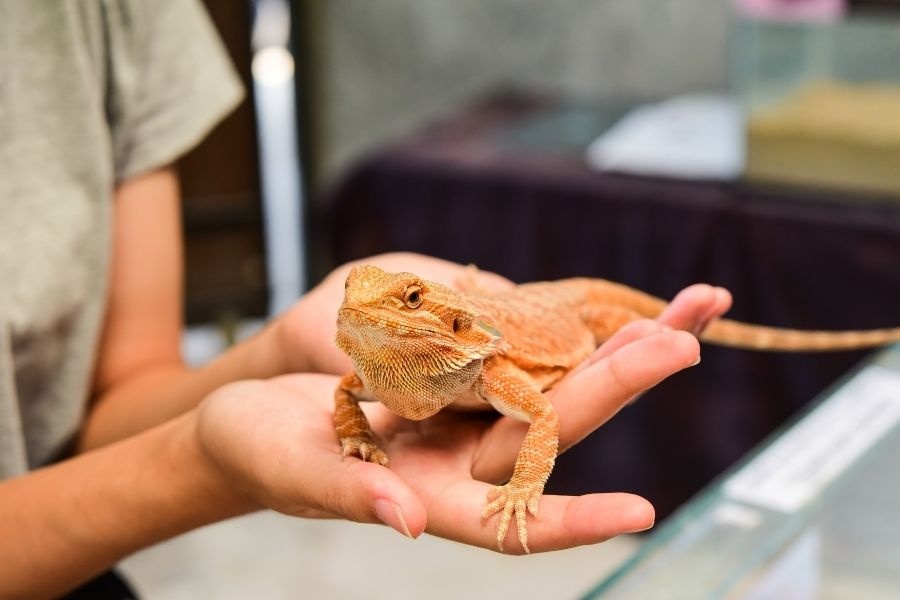
Your bearded dragon is not moving its back leg. Your gecko fell from its climbing branch and now holds one limb at an odd angle. These moments are frightening, and many reptile owners freeze, unsure whether what they are seeing is serious. Reptiles are stoic animals. They hide pain well, which means a broken bone can go unnoticed for days if you do not know what to look for. Recognizing reptile bone fracture signs early can be the difference between a straightforward recovery and a long-term complication. This article covers the most common causes of fractures in pet reptiles, the symptoms to watch for, how a vet diagnoses and treats the injury, and how you can protect your scaly companion going forward.
Understanding Bone Fractures in Pet Reptiles
A bone fracture in a reptile is a break or crack in one or more bones, and it is far more common in captive reptiles than most owners realize. Reptiles have a skeletal structure that, while remarkably adapted for their natural environments, becomes vulnerable under the wrong captive conditions. Their bones depend heavily on proper calcium absorption, which in turn depends on UV-B lighting, vitamin D3, and a nutritionally complete diet.
Studies and clinical observations consistently show that a significant portion of reptile fractures are not caused by trauma alone. Many happen because the bone was already weakened before any physical event occurred. A bearded dragon that falls a short distance and fractures a limb likely had compromised bone density before the fall. This is an important distinction because it changes how the problem is treated and prevented.
Common reptile species affected include bearded dragons, leopard geckos, iguanas, chameleons, and tortoises. Larger species like iguanas and monitors can also fracture bones during handling if the animal thrashes suddenly and is not fully supported. Younger reptiles and females who have recently laid eggs are particularly vulnerable, as egg production depletes calcium reserves rapidly.
Signs and Symptoms to Watch For
Reptile bone fracture signs can be subtle, but once you know what to look for, they are hard to miss. If you notice any of the following signs, contact your veterinarian promptly.
- Limb dragging or abnormal posture: A leg, tail, or foot that hangs loosely or is dragged rather than used for movement is a strong indicator of a fracture or nerve involvement.
- Visible deformity: Swelling, a limb that bends in an unnatural direction, or a section of the body that looks misshapen warrants immediate attention.
- Reluctance to move: A reptile that was previously active but suddenly refuses to walk, climb, or explore may be guarding a painful area.
- Reduced or absent grip: In species like geckos and chameleons that rely on grip for climbing, a sudden inability to hold onto surfaces often signals a limb fracture or severe weakness.
- Twitching or tremors: Muscle tremors and spasms, especially in the limbs, are classic signs of metabolic bone disease. Reptiles develop when calcium levels drop critically low, a condition that makes fractures far more likely.
- Soft or rubbery jaw: A jaw that feels flexible rather than firm is a warning sign of advanced bone density loss, particularly in bearded dragons.
In our experience examining reptiles in the Perkasie area, owners often describe the onset as sudden, when in reality the underlying bone weakness had been building for weeks or months before the fracture occurred.
Causes and Risk Factors
The leading cause of reptile fractures in captive pets is metabolic bone disease, which reptiles develop due to calcium and vitamin D3 deficiency. Without proper UV-B exposure from a full-spectrum reptile bulb, reptiles cannot synthesize vitamin D3 in their skin. Without vitamin D3, calcium cannot be absorbed efficiently from food. The body then pulls calcium directly from the bones to maintain blood levels, progressively weakening the skeleton.
Broken bones in lizards and other reptiles also result from:
- Accidental drops during handling: Even a short fall onto a hard surface can fracture bones already weakened by nutritional deficiency.
- Cage mate aggression: Bites from other reptiles, particularly in species housed together, can fracture small bones in the tail, toes, and feet.
- Improper substrate or habitat design: Enclosures with slippery surfaces or poor climbing structures increase the risk of falls.
- Reproductive calcium drain: Female reptiles who lay eggs without adequate calcium supplementation frequently develop weakened bones in the weeks that follow.
Broken bones in lizards are also seen after forceful restraint if a handler grips too tightly around the torso or limbs. Proper, full-body support during every interaction is essential, especially with larger, more powerful species.
How Reptile Fractures Are Diagnosed and Treated
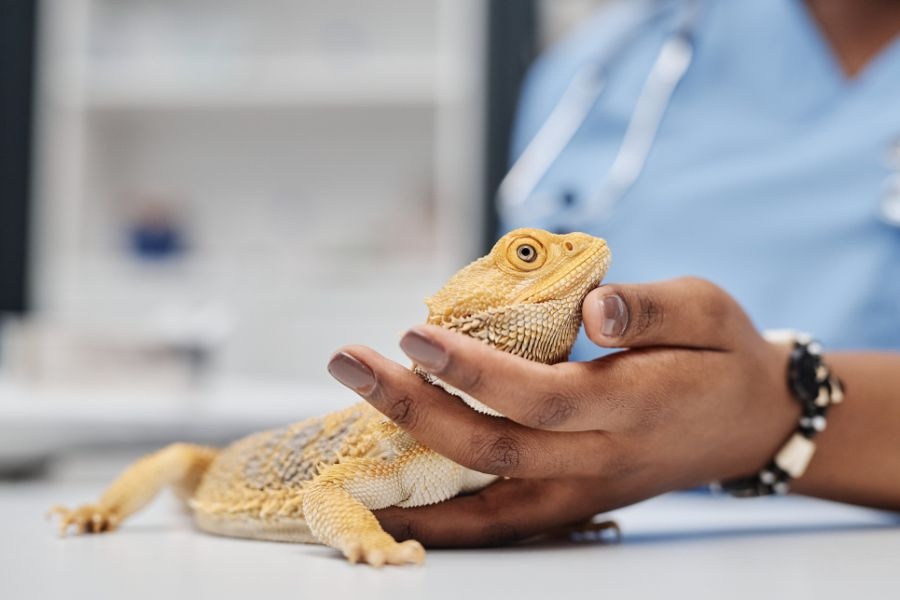
A veterinarian experienced with exotic animals will begin with a thorough physical examination, gently palpating the limbs, spine, and jaw to identify areas of pain, swelling, or deformity. X-rays are the primary diagnostic tool. Radiographs reveal the exact location of the fracture, the degree of displacement, and the overall density of the surrounding bone.
Blood work is often recommended alongside imaging. Low calcium, phosphorus, or vitamin D3 levels confirm nutritional involvement and help the vet plan a complete treatment approach, not just address the fracture in isolation.
Treatment depends on the severity and location of the break. A typical approach includes the following steps:
- Stabilization: The fractured limb or area is gently immobilized using splints, bandaging, or a lightweight cast appropriate for the reptile’s size.
- Pain management: Your vet will prescribe medication to keep your reptile comfortable during healing. Never attempt to administer any medication without veterinary guidance.
- Calcium and nutritional correction: Oral or injectable calcium supplementation is prescribed, alongside adjustments to diet and UV-B lighting.
- Reptile fracture treatment vet follow-up: Regular rechecks allow the vet to monitor healing through repeat X-rays and adjust the treatment plan as needed.
- Activity restriction: The reptile is housed in a simplified enclosure with minimal climbing structures during recovery to prevent re-injury.
In severe cases where the fracture is highly displaced or involves the spine, surgical intervention may be discussed. Recovery timelines vary by species, age, and bone health at the time of injury, but many reptiles show meaningful improvement within several weeks of consistent treatment.
Prevention and Home Care Tips
Preventing fractures starts with providing the environment your reptile’s biology actually requires, not just what looks good in the enclosure.
- Use a proper UV-B bulb: Replace your UV-B lamp on the schedule recommended by your vet or the manufacturer. Bulbs lose UV-B output before they visibly dim, so an old bulb may look fine but provide no benefit.
- Dust food with calcium supplement: For insect-eating reptiles, dust feeder insects with a calcium powder before every feeding. Herbivorous reptiles should receive calcium-rich greens like collard greens and mustard greens regularly.
- Handle with full support: Always support the entire body of your reptile during handling. Never allow the animal to dangle by a limb or tail.
- Schedule regular exotic vet checkups: Reptile calcium deficiency fractures often develop silently. Routine blood panels can catch declining calcium levels before a fracture ever occurs. Dublin Veterinary Hospital provides comprehensive exotic animal wellness exams for reptile owners in Perkasie.
- Correct a common misconception: Many reptile owners believe that a reptile that is eating well is automatically healthy. In reality, a reptile can eat regularly and still develop a serious calcium deficiency if the UV-B setup is inadequate. Eating and nutritional absorption are two different things.
Conclusion
Fractures in pet reptiles are serious, but they are also highly preventable with the right husbandry and regular veterinary care. Learning to recognize reptile bone fracture signs early gives your pet the best chance of a full recovery. Whether your reptile has already shown signs of a problem or you simply want to make sure you are doing everything right, a hands-on exam from a vet experienced with exotic species is the most important step you can take. Dublin Veterinary Hospital is here to support reptile owners in Perkasie and the surrounding communities with knowledgeable, compassionate care for all exotic pets. Book an appointment today.
Frequently Asked Questions
Q: How can I tell if my reptile has a broken bone?
Ans: Signs of a fracture in a reptile include limb dragging, visible swelling or deformity, reluctance to move, loss of grip strength, and tremors or muscle spasms. Reptiles often hide pain, so any sudden change in mobility or posture should be evaluated by a veterinarian as soon as possible.
Q: What causes fractures in pet reptiles?
Ans: The most common cause is metabolic bone disease, which develops when a reptile does not receive adequate calcium or UV-B lighting. Weakened bones fracture more easily during normal activity or handling. Accidental drops, bites from cage mates, and reproductive calcium depletion are also contributing factors.
Q: Can a reptile fracture heal on its own without a vet?
Ans: Reptile fractures require professional veterinary care. Without proper splinting, pain management, and nutritional correction, a fracture can heal incorrectly, cause permanent deformity, or lead to life-threatening complications. Home treatment is not appropriate for broken bones in reptiles.
Q: How long does it take for a reptile bone fracture to heal?
Ans: Healing time varies based on the species, the severity of the fracture, and the reptile’s overall bone health. Many reptiles begin showing improvement within a few weeks of consistent treatment, but full healing and follow-up X-ray confirmation may take several months. Your vet will advise you based on your pet’s specific situation.
Q: How do I prevent my reptile from developing fractures?
Ans: Prevention centers on proper husbandry. Use a functioning UV-B bulb, supplement calcium at every feeding for insect-eating species, handle your reptile with full-body support, and schedule regular exotic vet wellness exams. Routine blood work can catch calcium deficiency before a fracture ever develops.