When your pet needs surgery, providing the best care during the procedure is essential. Whether the surgery is routine or more complicated, anesthesia helps keep your pet comfortable and safe throughout the process. In this guide, you’ll learn what to expect when your pet undergoes anesthesia, how we work to keep your pet safe, and why understanding pet anesthesia safety matters for your pet’s well-being.
The Role of Anesthesia in Pet Surgery
Many pets need to be put under anesthesia for even minor surgical procedures. Anesthesia keeps your pet unconscious, pain-free, and still during the operation. Although this might seem intimidating, anesthesia for animals has improved significantly over time. When given by experienced professionals, it is very safe and well-controlled, providing a smooth experience for your pet.
At Dublin Veterinary Hospital, we focus on your pet’s safety and comfort during surgery. Anesthesia plays a key role in this process. From the moment your pet is prepared for surgery until they recover, we take careful steps to protect their well-being.
What to Expect Before, During, and After the Procedure
Before the Surgery
To ensure pet anesthesia safety before any surgery, a complete checkup is performed to make sure your pet is ready for anesthesia. This includes a physical exam and blood tests if needed, based on your pet’s age and health, to make the procedure as safe as possible. We review your pet’s medical history to identify any issues, such as allergies or existing health conditions, that could affect anesthesia. Our goal is to ensure your pet is in the best health before surgery.
During the Surgery
Once your pet is prepared, they will receive anesthesia in a carefully measured dose. Our team uses modern monitoring equipment to keep track of your pet’s heart rate, blood pressure, temperature, and oxygen levels throughout the procedure. This allows us to notice any changes immediately and make necessary adjustments to the anesthesia levels to keep your pet safe.
At Dublin Veterinary Hospital, we use the latest techniques and medications to help pets recover from anesthesia quickly and comfortably. Our experienced team closely monitors your pet throughout the procedure to ensure their safety and well-being.
After the Surgery
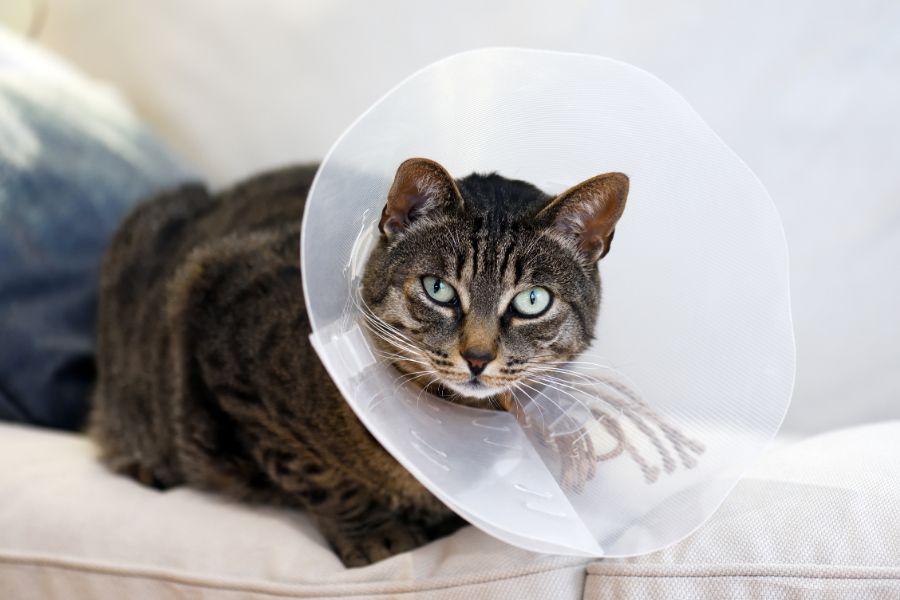
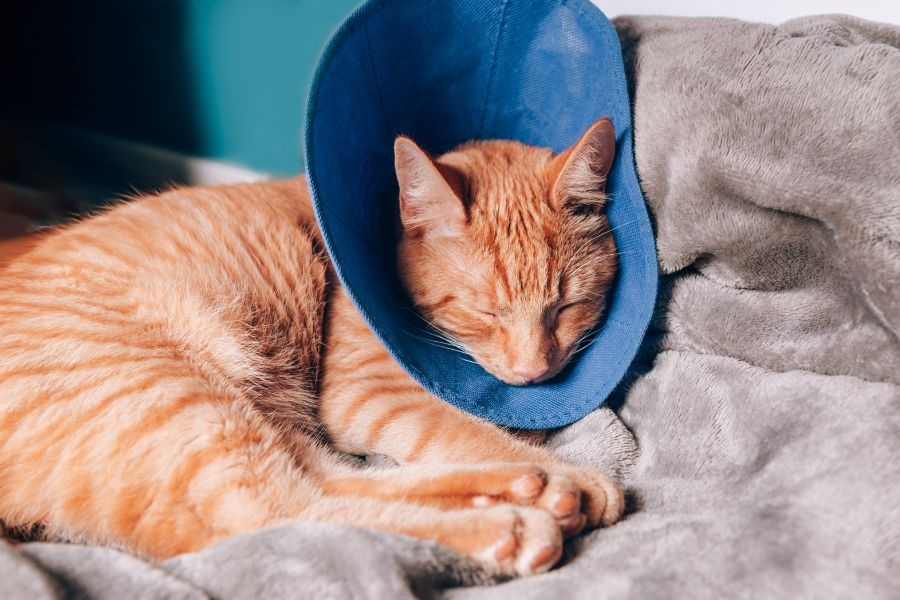
After your pet’s surgery, we will carefully monitor them as they wake from anesthesia. Most pets become alert within a few hours but may feel groggy or confused when they wake. We will continue monitoring their recovery to ensure they remain comfortable during this time.
Your veterinarian will give you clear instructions on how to care for your pet’s incision and what to watch for as it heals. Following these instructions carefully will support your pet’s recovery and help prevent any issues.
Ensuring Pet Anesthesia Safety
Pet owners are naturally concerned about the safety of anesthesia for their pets, and this concern is valid. The reassuring fact is that anesthesia for your pet has become very safe, with strict guidelines in place to ensure your pet’s safety during procedures.
- Pre-Anesthetic Blood Work: Assists in identifying underlying health issues that could influence your pet’s response to anesthesia.
- Monitored Sedation: Your pet’s vital signs are continuously monitored throughout the procedure.
- Experienced Staff: All our procedures are managed by experienced professionals and trained technicians who are knowledgeable in anesthesia and emergency procedures.
- Recovery Monitoring: After the procedure, your pet will be carefully monitored as they wake up to ensure a smooth, comfortable recovery.
How Long Does Pet Anesthesia Take?
The duration of your pet’s anesthesia depends on the complexity of the surgery. For standard procedures such as spaying or neutering, anesthesia often lasts only one or two hours. More involved surgeries, like orthopedic or dental work, may require anesthesia for several hours. No matter how long the procedure lasts, our team will closely monitor your pet to ensure their safety at all times.
Your Pet’s Safety is Our Priority
At Dublin Veterinary Hospital in Perkasie, we know your pet is a valued member of your family. We dedicate ourselves to providing top-quality care and safety during every procedure, including anesthesia. When your pet requires surgery, you can trust us to give them the best care and keep them comfortable throughout the process.
If you have concerns about your pet’s upcoming surgery or questions about the safety of pet anesthesia, our welcoming staff is always ready to address your concerns and guide you through each step of the process. Contact us today to schedule a consultation and find out how we keep your pet safe during surgery.
FAQs
1. Is pet anesthesia safe for my pet?
Ans: Yes, pet anesthesia is very safe when administered by a trained veterinary professional. At Dublin Veterinary Hospital, we use advanced monitoring equipment and carefully controlled dosages to ensure your pet remains secure throughout the surgery.
2. Can my pet eat before the surgery?
Ans: We usually recommend withholding food for 12 hours before surgery to minimize the risk of nausea or vomiting during anesthesia. Water is typically okay, but be sure to follow your vet’s specific instructions.
3. Will my pet be in pain after surgery?
Ans: We take steps to manage your pet’s pain before, during, and after surgery. Pain medications are often prescribed to keep your pet comfortable as they recover. You will be given clear instructions on how to manage post-surgical pain at home.
4. How long will my pet take to recover from anesthesia?
Ans: Most pets recover from anesthesia within a few hours, although they may be groggy for the remainder of the day. Some pets may take a bit longer to fully wake up, especially after longer or more complex procedures.
5. What can I do to help my pet recover faster?
Ans: Follow the post-surgical care instructions carefully. Keep your pet in a quiet, comfortable space and restrict their activity to allow for proper healing. Regular check-ins with your vet are also encouraged.