Finding out your pet needs surgery can feel overwhelming. Whether it is a routine spay or a more complex procedure, knowing how to prepare makes a real difference. Pet owners in Perkasie, PA often come to us with a mix of questions and worries, and that is completely normal. The right pet surgery preparation tips can ease your anxiety and help your pet recover faster. In this guide, we walk you through everything from the days before surgery to the moment you bring your pet back home. We cover pre-surgery fasting, anesthesia safety, what the procedure day looks like, and how to care for your pet during recovery. Every pet is different, and your veterinarian will tailor their recommendations to your animal’s health and age. But having a solid understanding of the process puts you in the best position to support your pet through it.
Understanding Why Pre-Surgery Preparation Matters
Surgery is a significant event for any pet’s body. Preparation is not just a formality. It directly affects how safely your pet tolerates anesthesia and how smoothly the procedure goes.
Before any elective or planned surgery, your vet will likely recommend a pre-surgical exam. This includes bloodwork and sometimes X-rays. These tests help identify hidden conditions that could increase anesthetic risk. In our experience, catching an underlying issue before surgery, rather than during it, is one of the most important safety steps we take.
Dental disease, kidney concerns, or heart irregularities can all affect how a pet responds to anesthesia. Finding these early allows us to adjust our approach or address the issue first. Skipping pre-surgical screening to save time or money is one of the most common mistakes we see, and it is one that can have serious consequences.
What to Expect on Pet Surgery Day
What to expect on pet surgery day depends a lot on the type of procedure, but most visits follow a similar flow. Understanding the process reduces stress for both you and your pet.
Here is a step-by-step look at how a typical surgery day works:
- Drop-off check-in: You will arrive in the morning, usually fasted. The team reviews your pet’s health history and confirms medications and allergies.
- Pre-anesthetic exam: The veterinarian performs a final physical check before any sedation begins.
- Sedation and monitoring setup: Your pet receives a sedative, then anesthesia. A trained technician monitors heart rate, oxygen levels, and temperature throughout.
- The procedure: The surgery is performed under sterile conditions with continuous monitoring.
- Recovery room: Your pet wakes up in a warm, quiet space with staff nearby.
- Discharge and instructions: You pick up your pet and receive detailed written care instructions.
What to expect on pet surgery day also includes a phone call from us if anything changes. We keep pet owners informed throughout. You should never hesitate to call the clinic if you have questions before or after drop-off.
Pre Surgery Pet Fasting: Why It Matters and How to Do It Right
Pre-surgery pet fasting is one of the most critical steps a pet owner can take. It is also one of the most misunderstood.
Most pets should not eat for 8 to 12 hours before surgery. Water restrictions vary by procedure and the pet’s age. Your vet will give you specific instructions for your animal. Do not assume the rules are the same as a previous surgery or what a neighbor experienced with their pet.
The reason for fasting is simple. When a pet is under anesthesia, their swallow reflex is suppressed. Food in the stomach can be vomited and accidentally inhaled into the lungs. This is called aspiration, and it can be life-threatening. Pre-surgery pet fasting eliminates that risk.
One of the most common questions we get from pet owners is whether it is okay to give a small snack the morning of surgery. The answer is no, unless your veterinarian specifically approves it for a medical reason, such as a diabetic pet. When in doubt, call us before feeding anything.
Pet Anesthesia Safety Risks: What You Should Know
Pet anesthesia safety risks are real, but they are also rare when proper protocols are followed. Understanding the facts helps you ask the right questions and feel more confident in your pet’s care.
According to the American Veterinary Medical Association (AVMA), anesthetic complications in healthy pets are uncommon when modern monitoring equipment and trained staff are used. The risk increases significantly in older pets, overweight animals, or those with underlying health conditions. That is exactly why pre-surgical bloodwork is so important.
Pet anesthesia safety risks are minimized through several key steps. The veterinarian selects the anesthetic protocol based on your pet’s age, weight, breed, and health. Brachycephalic breeds like Bulldogs or Pugs require special care due to their airway anatomy. Older cats and dogs benefit from additional organ function screening before going under.
Many pet owners assume that if their pet looks healthy, there is nothing to worry about. In our experience, some of the most important findings show up in bloodwork for pets that seemed perfectly fine at home. Do not skip the pre-anesthetic testing.
Post Surgery Pet Care: Helping Your Pet Heal at Home
Post-surgery pet care begins the moment you leave the clinic. How you manage the first 48 to 72 hours has a direct impact on your pet’s recovery.
Here are the most important things to do at home after surgery:
- Keep your pet calm and confined. Even if they seem fine, restrict activity for the full recovery period your vet recommends.
- Check the incision daily. Look for redness, swelling, discharge, or any change in appearance. A small amount of bruising near the site is normal. Significant swelling or opening of the wound is not.
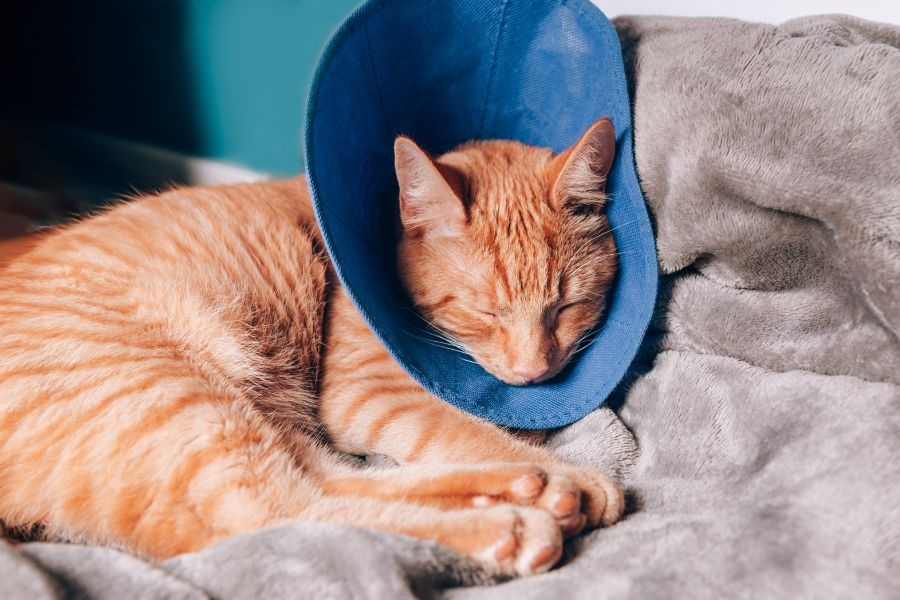
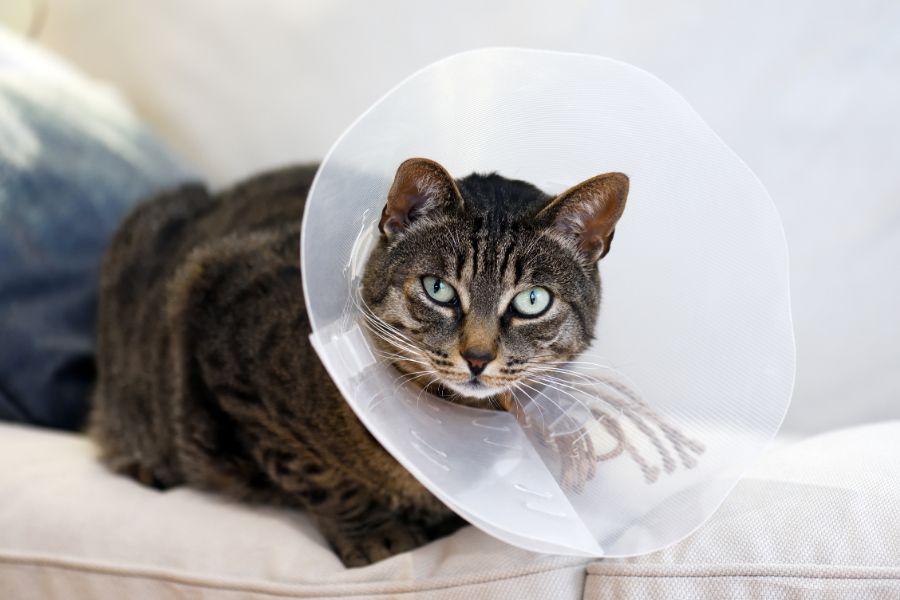
- Prevent licking and chewing. An e-collar (cone) protects the incision site. Many pets hate the cone, but removing it too soon is a leading cause of post-surgical complications.
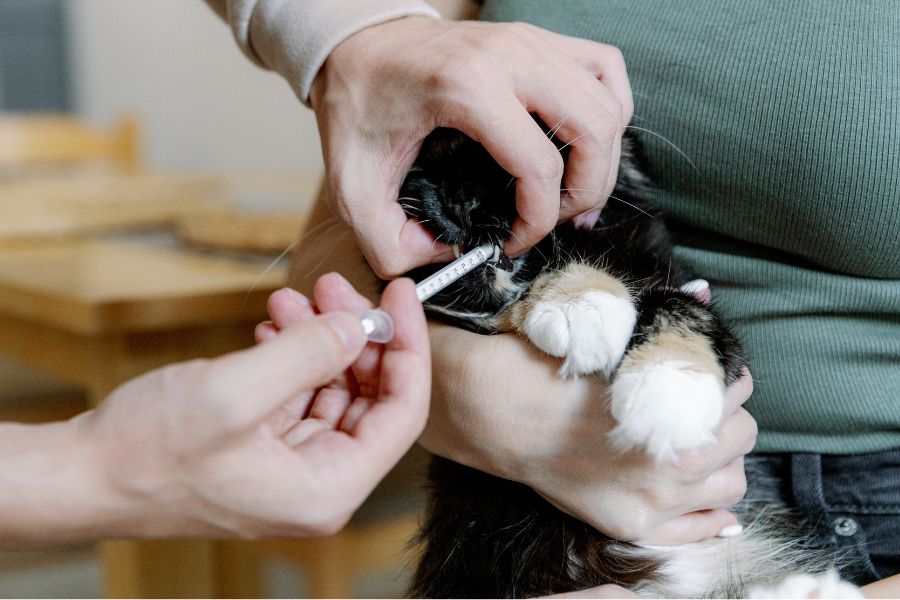
- Follow medication instructions exactly. Give all prescribed medications on schedule. Do not skip doses or stop early because your pet seems better.
- Limit food and water right after returning home. Your pet’s stomach may be sensitive. Start with small amounts and follow your vet’s guidance.
Post-surgery pet care also means watching for signs that something is wrong. Contact your vet right away if your pet is not eating after 24 hours, seems excessively lethargic, has labored breathing, or shows signs of pain that are not controlled by prescribed medication.
Helping Your Pet Through Surgery With Confidence
Surgery is never easy to think about, but being prepared makes all the difference. Knowing the right pet surgery preparation tips, following fasting instructions, understanding anesthesia safety, and providing attentive post-surgery care all work together to give your pet the best possible outcome. Pet owners often tell us that the hardest part was the worry before surgery, and that once they understood what to expect, they felt much more in control.
At Dublin Veterinary Hospital, our team in Perkasie is here to guide you through every step. We take the time to explain procedures, answer your questions, and follow up after surgery to make sure your pet is healing well. You are never alone in this process. Book an appointment today.
Frequently Asked Questions
How long before surgery should I stop feeding my pet?
Ans: Most pets should fast for 8 to 12 hours before surgery. This means no food after the evening meal the night before a morning procedure. Water restrictions vary, so follow the specific instructions your veterinarian gives you. Never guess or compare to another pet’s experience.
Is it safe for older pets to have surgery?
Ans: Yes, older pets can safely undergo surgery when properly evaluated. Pre-surgical bloodwork and organ function screening are especially important for senior animals. Your vet will assess your pet’s individual health and choose an anesthetic protocol tailored to their age and condition.
What should I bring to my pet’s surgery appointment?
Ans: Bring any current medications your pet takes, a list of known allergies, and any records from a previous vet if this is your first visit. Arrive on time, and be ready to review your pet’s health history with the team at check-in.
What are the signs of a surgical complication at home?
Ans: Contact your vet immediately if the incision site opens, becomes very swollen, or shows unusual discharge. Other warning signs include persistent vomiting, labored breathing, inability to stand, or signs of severe pain not controlled by prescribed medication.
Can I give my pet over-the-counter pain relief after surgery?
Ans: Never give your pet human pain medications like ibuprofen, acetaminophen, or aspirin without direct guidance from your veterinarian. Many common pain relievers are toxic to dogs and cats. Your vet will prescribe safe, appropriate pain management for your specific pet.