Bringing your pet home after a procedure can feel overwhelming. Proper dog after surgery care plays a critical role in reducing complications and improving healing outcomes. In this guide, we’ll walk you through vet-approved strategies for post-surgery dog care, explain typical dog surgery recovery time, and share practical dog surgery recovery tips to help your companion feel safe and comfortable at home.
What to Expect During Dog Surgery Recovery Time
Recovery varies depending on the procedure, your dog’s age, and overall health. However, most dogs follow a predictable healing timeline.
Typical Recovery Milestones
- First 24 hours: Grogginess, mild disorientation, decreased appetite
- Days 2 to 3: Improved alertness, mild swelling at incision site
- Days 7 to 10: Sutures may be removed if non-absorbable
- 2 to 6 weeks: Full tissue healing, depending on surgery type
For example:
- Spay or neuter procedures often require 10 to 14 days of restricted activity.
- Orthopedic surgeries such as ACL repair may require 8 to 12 weeks of controlled rehabilitation.
Understanding expected dog surgery recovery time helps you identify what is normal and when to call your nearest veterinarian.
Preparing Your Home for Post-Surgery Dog Care
Creating a calm recovery space is one of the most important dog surgery recovery tips.
Set Up a Recovery Area
Choose a quiet, low-traffic area with:
- Soft bedding that supports joints
- Easy access to water
- Minimal stairs or obstacles
- Comfortable room temperature
Avoid slippery floors, especially after orthopedic procedures. Place non-slip rugs if needed. If you have other pets, temporarily separate them to prevent rough play.
Managing Pain and Medication Safely
Pain control is essential for effective dog care after surgery. Dogs often hide discomfort, so do not assume they are pain-free.
Follow Medication Instructions Exactly
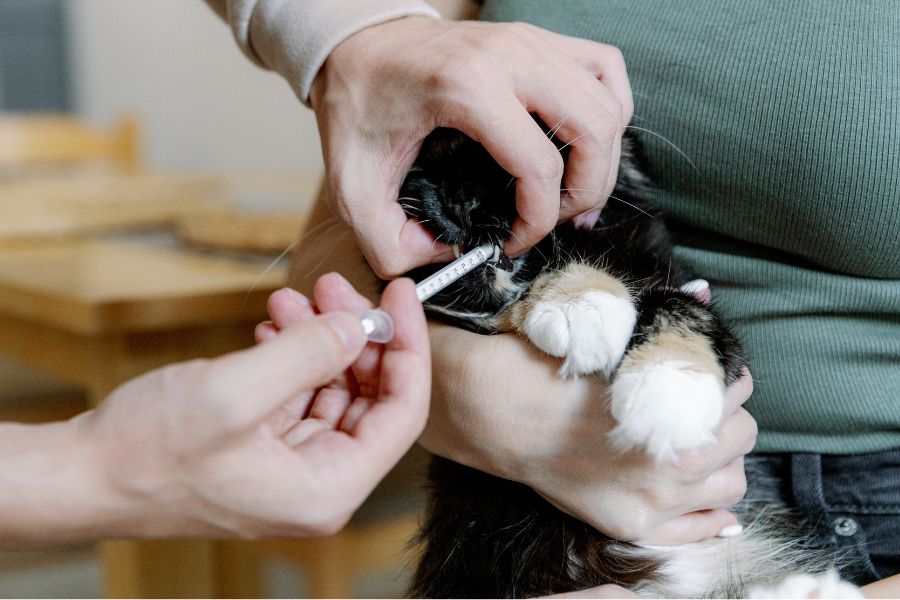
- Give prescribed pain medications on schedule
- Never substitute human medications unless instructed
- Monitor for side effects such as vomiting, diarrhea, or lethargy
Signs your dog may be uncomfortable include:
- Whining or restlessness
- Reluctance to move
- Excessive panting
- Guarding the surgical area
If you notice persistent pain despite medication, contact your nearest veterinary team promptly.
Incision Care and Infection Prevention
Proper incision monitoring is central to successful post-surgery dog care.
What a Healthy Incision Looks Like
- Mild redness
- Slight swelling
- A small amount of clear discharge in first 24 hours
Warning Signs of Infection
- Thick yellow or green discharge
- Foul odor
- Excessive swelling
- Opening of stitches
- Fever or lethargy
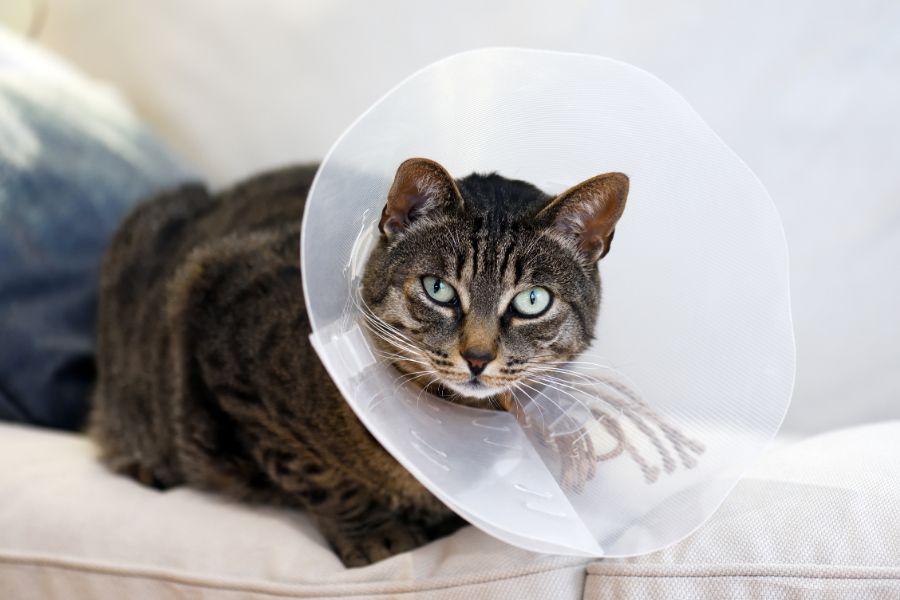
Prevent licking by using:
- Elizabethan collar
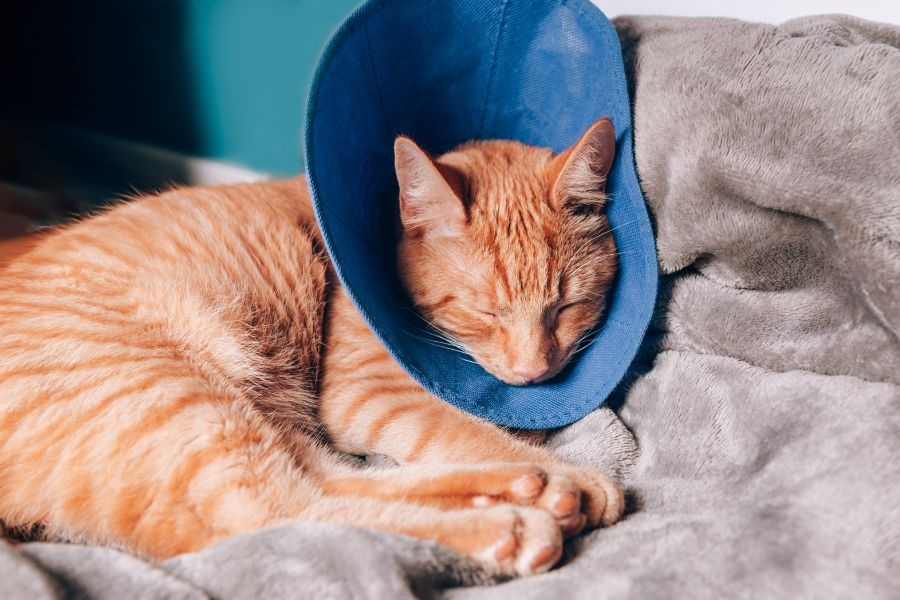
- Recovery suit
- Inflatable collar
Licking introduces bacteria and can significantly delay a dog’s surgery recovery time.
Activity Restriction and Safe Movement
One of the most common complications after surgery is incision breakdown caused by excessive activity.
Limit Physical Activity
For most procedures:
- No running or jumping
- No rough play
- Leash walks only for bathroom breaks
- Avoid stairs if possible
Crate rest may be recommended for orthopedic or abdominal surgeries. Controlled movement reduces inflammation and promotes tissue repair, shortening overall recovery time.
Feeding and Hydration After Surgery
Appetite changes are common during early days after surgery care.
First 24 Hours
- Offer small amounts of water
- Provide a light meal if appetite returns
- Do not force-feed
Some dogs experience mild nausea from anesthesia. If vomiting persists beyond 24 hours, notify your veterinarian. Gradually resume normal feeding schedule unless instructed otherwise.
Emotional Comfort and Stress Reduction
Dogs rely on routine. Surgery disrupts that routine and may cause anxiety.
Ways to Provide Comfort
- Sit near your dog during rest periods
- Use calm, reassuring tones
- Maintain predictable feeding and potty schedules
- Offer gentle petting if tolerated
Avoid overstimulation. Even positive excitement can increase heart rate and blood pressure, potentially affecting healing.
Mental enrichment, such as food puzzles, can be helpful during restricted activity periods, but choose low-movement options.
Monitoring for Post-Operative Complications
Effective post-surgery dog care includes proactive monitoring.
Contact your veterinarian immediately if you notice:
- Persistent vomiting or diarrhea
- Collapse or extreme weakness
- Pale gums
- Excessive bleeding
- Difficulty breathing
- Swelling that rapidly worsens
Early intervention often prevents minor concerns from becoming emergencies.
Special Considerations for Orthopedic Surgeries
Orthopedic procedures require more structured rehabilitation.
Physical Rehabilitation
Your veterinarian may recommend:
- Passive range-of-motion exercises
- Controlled leash walks
- Hydrotherapy
- Laser therapy
These interventions improve circulation, reduce muscle atrophy, and optimize recovery outcomes. Never begin rehabilitation exercises without professional guidance.
How Long Until My Dog Is Back to Normal?
Every patient heals differently. Age, breed, weight, and medical history all affect dog surgery recovery time.
General recovery estimates:
- Soft tissue surgeries, 10 to 14 days
- Dental procedures, 3 to 5 days
- Mass removals, 2 to 3 weeks
- Orthopedic procedures, 8 to 12 weeks
Even if your dog appears energetic, internal tissues may still be healing. Always follow your veterinarian’s recheck schedule.
Conclusion
Proper dog after surgery care requires attention to detail, patience, and close communication with your veterinarian. By creating a safe recovery space, managing pain effectively, limiting activity, and monitoring the incision site, you significantly improve healing outcomes and reduce complications.
If you are looking for a trusted dog surgery hospital in Perkasie, the experienced vet team at Dublin Veterinary Hospital is here to guide you through every stage of recovery. Book an appointment to ensure your dog’s recovery stays on track.
FAQs
Q1: How long does dog surgery recovery time usually take?
Ans: Most soft tissue procedures require 10 to 14 days, while orthopedic surgeries may take 8 to 12 weeks for full recovery.
Q2: Is it normal for a dog to sleep a lot after surgery?
Ans: Yes, increased sleep is common in the first 24 to 48 hours due to anesthesia and pain medication effects.
Q3: What should I avoid during post-surgery dog care?
Ans: Avoid running, jumping, licking the incision, and giving non-prescribed medications.
Q4: When should I call a dog surgery hospital near me after surgery?
Ans: Seek immediate care if your dog has excessive bleeding, difficulty breathing, vomiting, or sudden weakness.
Q5: Can I leave my dog alone during dog after surgery care?
Ans: Short periods are acceptable once your dog is stable, but close monitoring during the first 48 hours is strongly recommended.