Helping your furry friend through surgery can be stressful, but with the right approach, you can make the process smoother and more comfortable. In this complete guide, we share practical pre-surgery pet care tips and expert advice for comforting pets after surgery to promote healing and reduce anxiety. From preparing a recovery space to ensuring proper pet pain relief and comfort, this article helps pet parents provide the best pet surgical care possible.
Understanding the Importance of Pet Surgical Care
Surgery can be a challenging time for both pets and their owners. Whether it’s a routine procedure like spaying and neutering or something more serious, pet surgical care plays a crucial role in your pet’s overall health and recovery.
Proper preparation and aftercare ensure:
- Faster healing and reduced complications
- Less stress and discomfort
- Better pain management
- A smoother transition back to normal life
Your pet relies on your support to recover emotionally and physically, which is why knowing how to prepare and comfort them before and after surgery is essential.
Pre-Surgery Pet Care Tips: How to Prepare Your Pet
Preparation is key to minimizing stress and ensuring a safe surgery. Follow these essential pre-surgery pet care tips:
1. Follow Pre-Surgery Fasting Instructions
Your veterinarian will advise you when to stop feeding your pet before surgery. This helps prevent nausea during anesthesia. Always follow the timing carefully—usually no food for 8–12 hours before surgery.
2. Keep Your Pet Calm
The day before surgery, maintain a relaxed environment. Avoid strenuous play, loud noises, or changes in routine. Soft music and extra cuddles can help ease anxiety.
3. Prepare the Recovery Area
Set up a comfortable, quiet area with soft bedding, easy access to water, and no stairs. Keep other pets and distractions away.
4. Review Medications and Medical History
Bring a list of all medications your pet is taking. Some medicines may interfere with anesthesia, so your vet may adjust dosages beforehand.
5. Stay Calm and Reassuring
Pets sense your emotions. If you’re anxious, they will be too. Maintain a calm and confident attitude when dropping them off at the veterinary hospital.
What to Expect During Pet Surgery
Understanding what happens during pet surgery in Perkasie can help ease your nerves.
- Pre-Anesthetic Exam: Vets perform a full check-up and possibly bloodwork.
- Anesthesia and Monitoring: Your pet is closely monitored for heart rate, breathing, and blood pressure.
- Surgical Procedure: Depending on the type of surgery, the duration and recovery time will vary.
- Recovery Room Care: Pets are observed until they are awake and stable.
Veterinarians ensure safety throughout the process, providing necessary pet pain relief and comfort post-surgery.
Comforting Pets After Surgery: Post-Operative Care Essentials
The first 24–48 hours after surgery are the most critical. Here’s how to help your pet recover safely at home:
1. Keep the Recovery Space Quiet and Clean
Avoid letting your pet jump or run. Keep the area free from hazards. Use a crate or playpen if needed.
2. Manage Pain Effectively
Your vet will prescribe pain medication or anti-inflammatories. Administer them as directed—never give human painkillers. Watch for signs of discomfort like whining, restlessness, or loss of appetite.
3. Monitor the Surgical Site
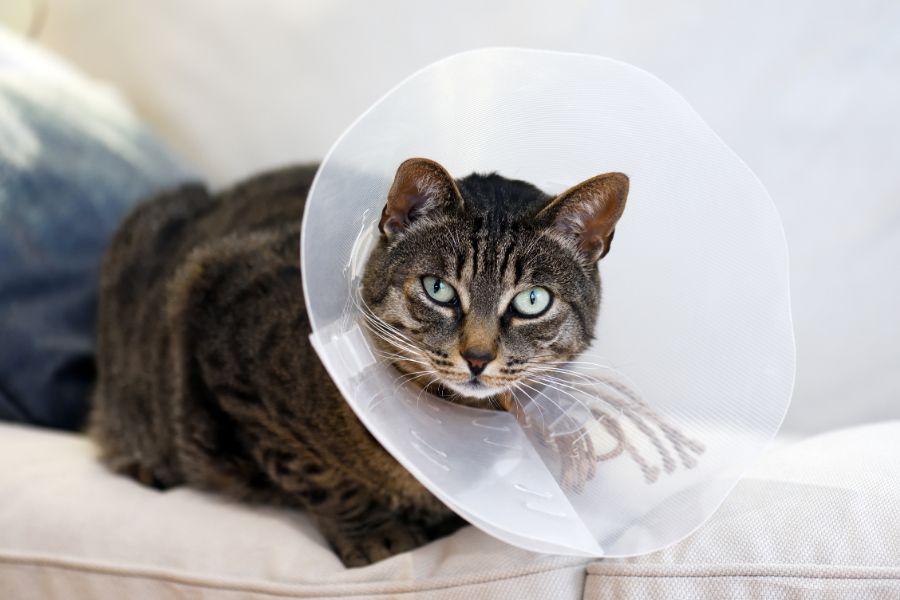
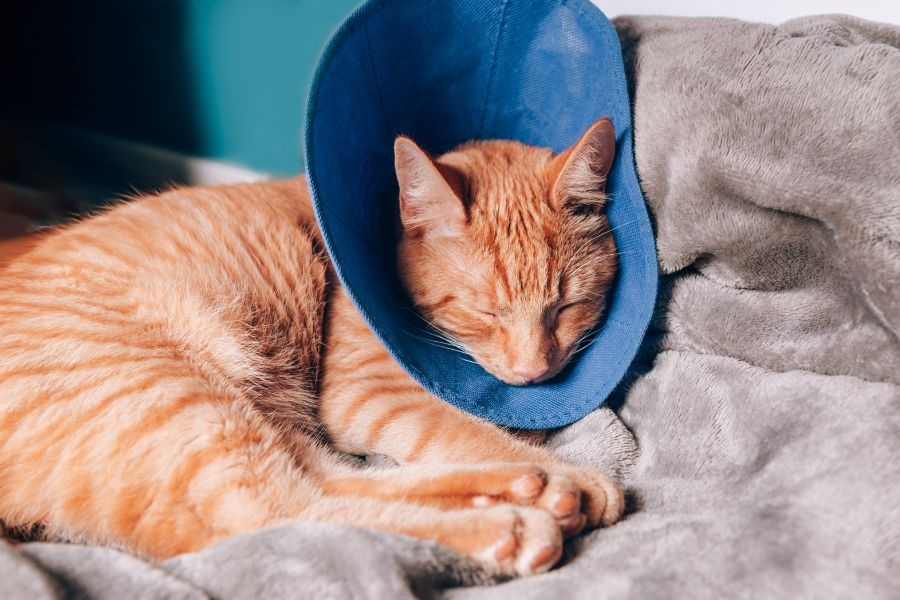
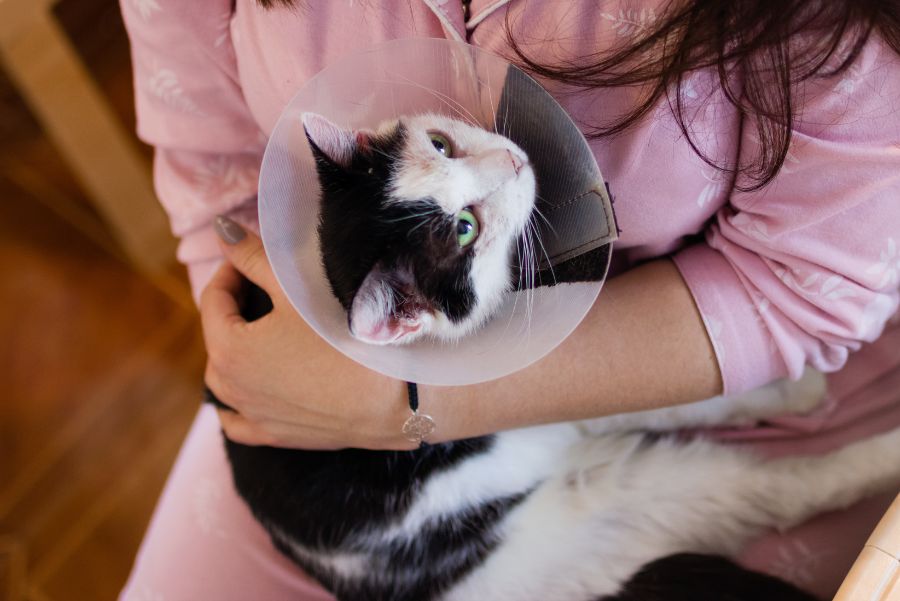
Check the incision twice daily. Look for redness, swelling, or discharge. Prevent licking or biting by using an e-collar if necessary.
4. Maintain Hydration and Nutrition
Offer small meals and fresh water once your vet gives the go-ahead. Choose easily digestible foods and avoid treats until your pet’s stomach settles.
5. Encourage Gentle Movement
Short walks (if permitted) can improve circulation and prevent stiffness. Follow your vet’s guidelines for activity limits.
Helping Your Pet Emotionally Recover After Surgery
Post-operative recovery isn’t just physical—your pet may feel anxious or disoriented after anesthesia. Here’s how you can help emotionally:
- Provide company: Stay nearby so your pet feels secure.
- Offer gentle reassurance: Soft talking and light petting help soothe nerves.
- Stick to a routine: Regular feeding, potty, and sleep times create stability.
- Avoid sudden noises or visitors: Keep the environment peaceful during recovery.
By maintaining patience and calm, you support both emotional and physical healing.
Recognizing Signs That Require Veterinary Attention
Call your vet immediately if you notice:
- Excessive bleeding or swelling
- Refusal to eat or drink after 24 hours
- Persistent vomiting or diarrhea
- Difficulty breathing or walking
- Lethargy or unresponsiveness
Timely attention can prevent complications and ensure a smoother recovery.
Post-Operative Comfort Accessories to Consider
Investing in the right products can make recovery more comfortable:
- Orthopedic pet beds
- E-collars or recovery suits
- Non-slip mats
- Calming diffusers or pheromone sprays
- Soft blankets and gentle chew toys
These small comforts help your pet relax and heal in a stress-free space.
When to Resume Normal Activities
Your vet will advise when your pet can resume regular walks, playtime, or grooming. Typically, most pets return to normal activities within 10–14 days, depending on the surgery. Always attend follow-up appointments to ensure complete healing.
Helping your pet before and after surgery is about providing patience, love, and proper care. With the right guidance and attention, your furry friend can recover comfortably and return to their happy, healthy self.
For compassionate and expert pet surgical care, contact Dublin Veterinary Hospital today to learn more about their personalized pre- and post-operative support.
Frequently Asked Questions
Q1. How can I prepare my dog for surgery?
Ans: Follow fasting instructions, keep them calm, and prepare a quiet recovery space with clean bedding.
Q2. What should I do after my cat’s surgery?
Ans: Monitor the incision, give prescribed medications, and ensure a comfortable, warm resting area.
Q3. How long does pet surgery recovery take?
Ans: Most pets recover in 10–14 days, but healing time depends on the type of surgery and your pet’s health.
Q4. Can I bathe my pet after surgery?
Ans: Avoid bathing until your vet confirms the incision has healed completely—usually 10–14 days post-surgery.
Q5. What are the signs of pain in pets after surgery?
Ans: Whining, panting, restlessness, or reluctance to move indicate discomfort and require veterinary attention.