Exotic pets like birds, reptiles, and small mammals require specialized care to stay healthy and happy. Unlike dogs and cats, their needs can be more subtle and species-specific, making regular veterinary visits crucial. In this guide, we’ll explore how often exotic pets should see a vet, highlight wellness schedules for different species, and provide practical tips to ensure your exotic companion thrives. By understanding these schedules, you can catch potential health issues early.
Why Regular Vet Visits Are Crucial for Exotic Pets
Exotic pets often hide symptoms of illness until conditions become severe. Unlike traditional pets, their behaviors can mask problems, making routine vet visits essential.
Key reasons for regular checkups:
- Early detection of disease or infections
- Proper diet and nutrition guidance
- Preventive care, including vaccines or parasite control
- Advice on habitat and environmental enrichment
Veterinarians specialized in exotic pets can tailor wellness plans for each species, ensuring optimal health and longevity.
Wellness Schedule for Birds
Birds are highly sensitive animals that require frequent monitoring to stay healthy.
Recommended vet visit frequency:
- Young birds (under 1 year): Every 3–6 months for growth and nutritional checks
- Adult birds: Annually, unless symptoms of illness appear
- Senior birds: Every 6 months, as older birds are prone to organ issues and metabolic diseases
Common checks during visits:
- Weight and body condition assessment
- Feather and skin health evaluation
- Beak, nail, and claw trimming
- Blood tests for underlying diseases
Bird owners should also monitor eating habits, droppings, and activity levels, as changes can indicate early illness.
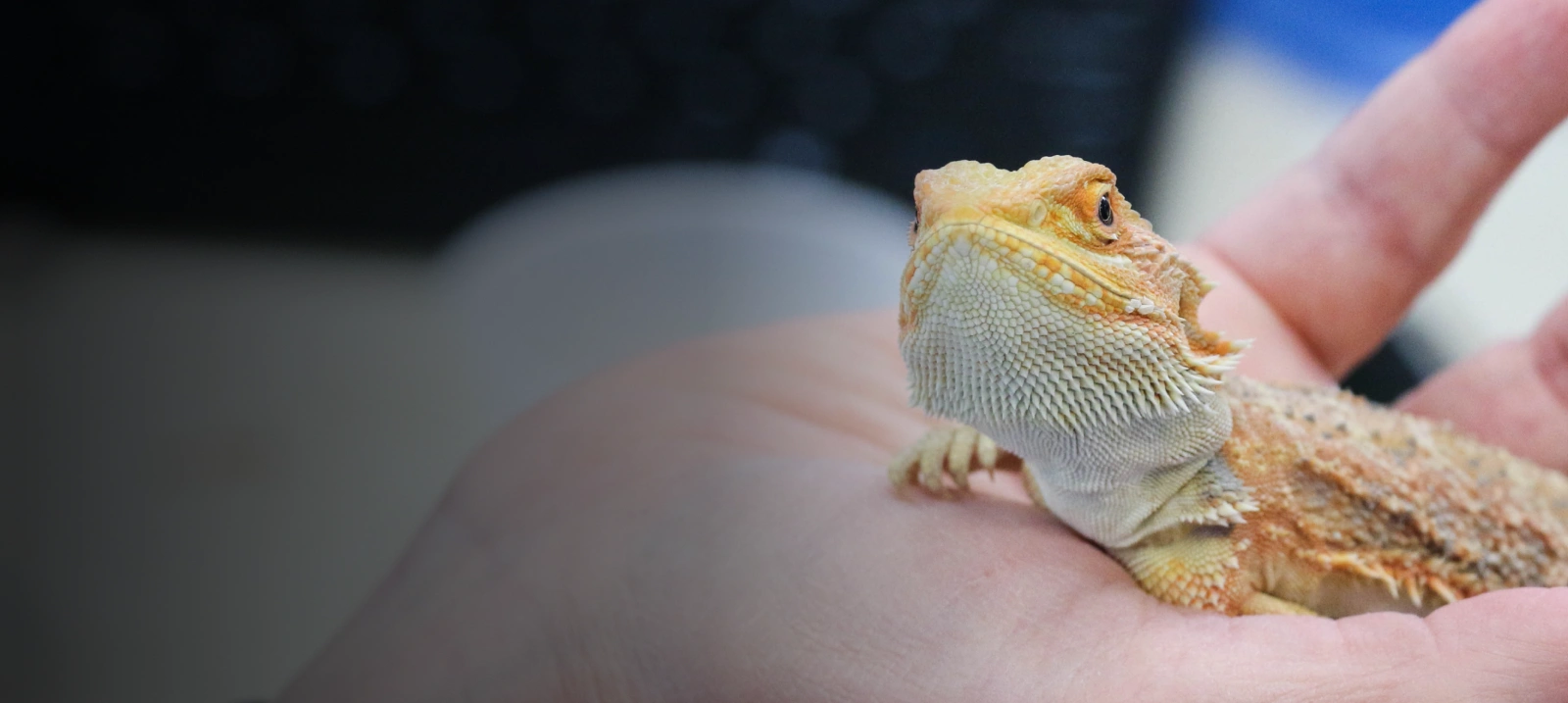
Reptile Vet Checkup Frequency
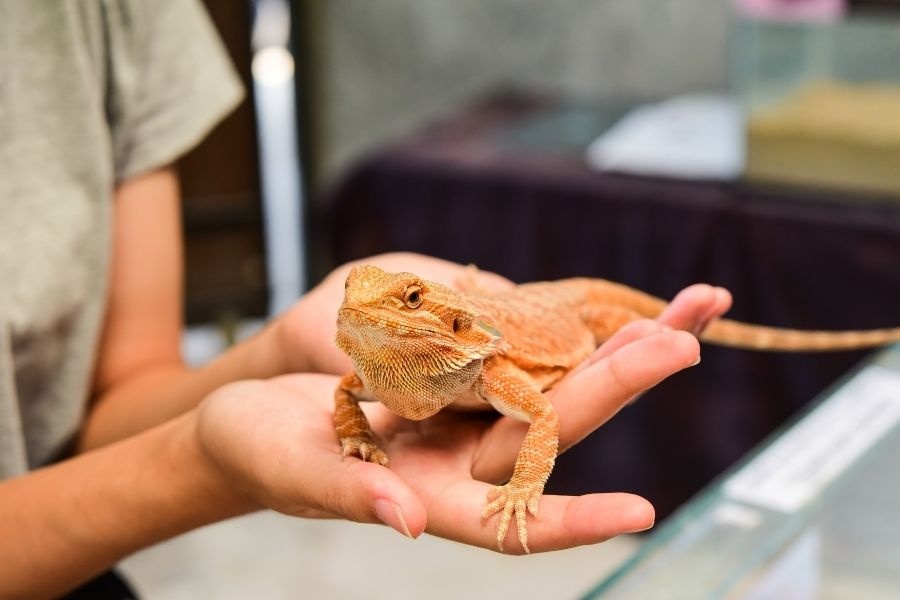
Reptiles are masters of disguise when it comes to illness. Subtle changes in behavior or appearance may indicate serious health problems.
Recommended vet visits:
- Hatchlings and juveniles: Every 3–4 months to track growth
- Adult reptiles: At least once a year for a general health check
- Senior reptiles: Every 6–12 months, especially for species prone to metabolic bone disease or organ dysfunction
Key health checks:
- Skin and scale health
- Weight and growth monitoring
- Parasite screening (internal and external)
- Environmental assessment, including temperature and humidity
Regular visits help ensure reptiles receive proper nutrition and are free from parasites or infections.
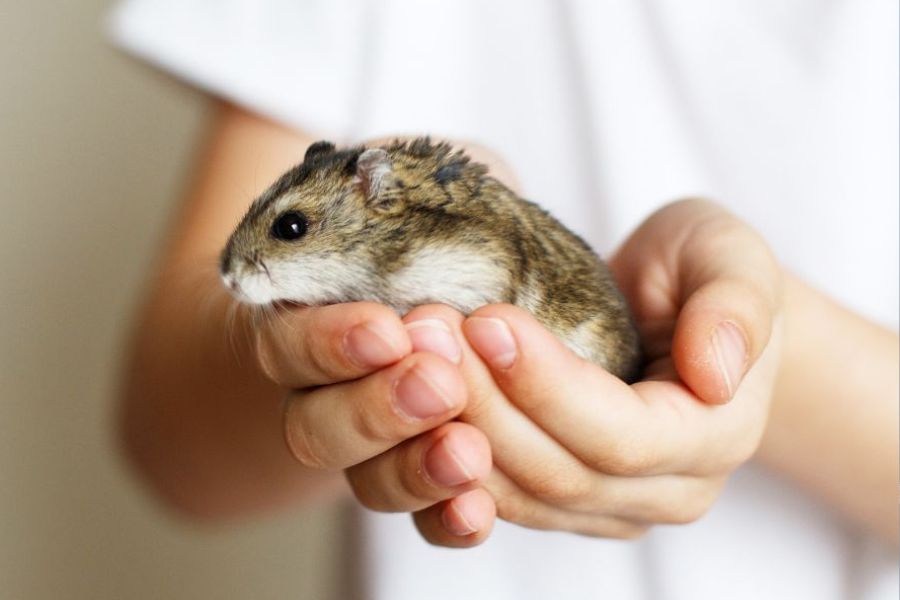
Small Mammal Vet Schedule
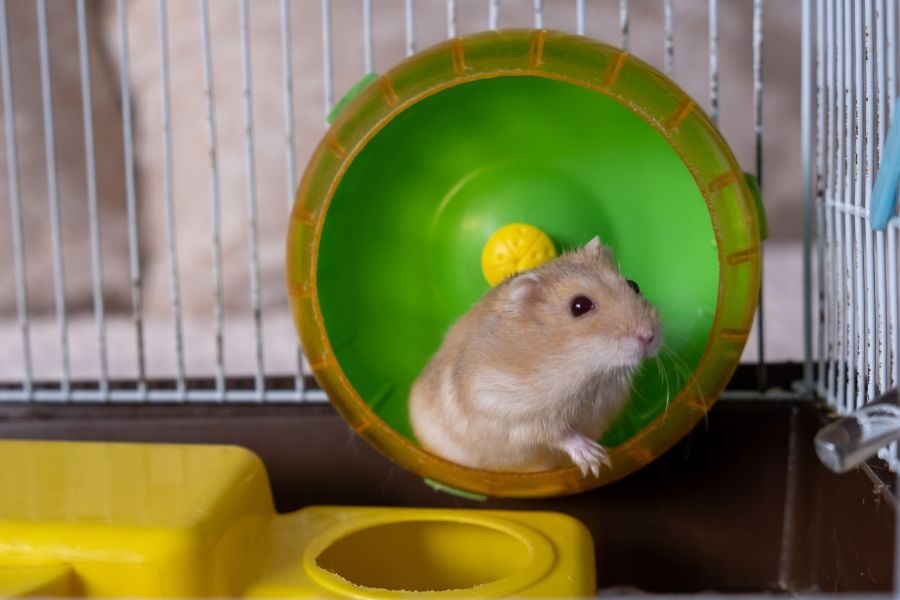
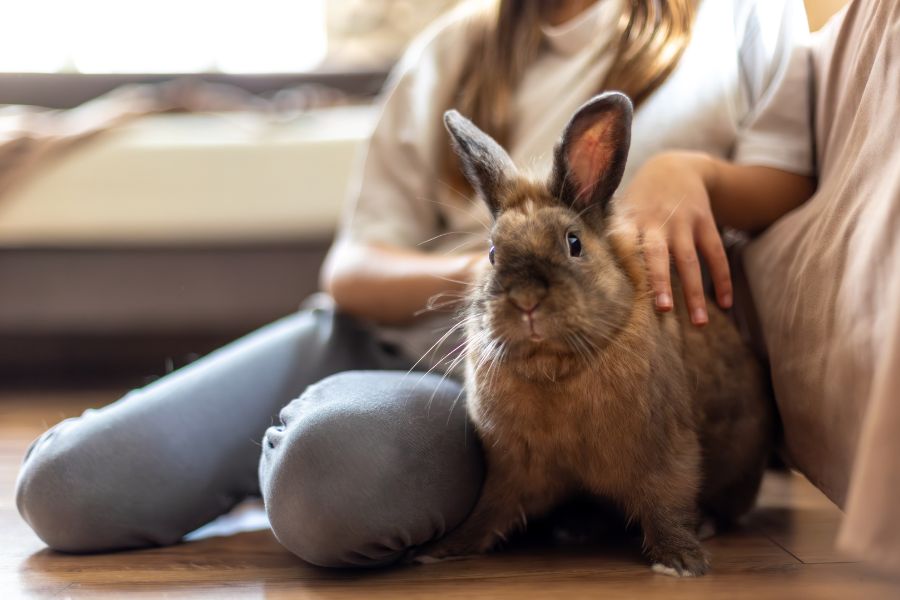
Small mammals such as rabbits, guinea pigs, hamsters, and ferrets have unique healthcare needs. Their small size makes them prone to rapid health deterioration if issues are left unchecked.
Recommended visit frequency:
- Young small mammals: Every 3–4 months during rapid growth stages
- Adults: Annually for wellness exams
- Seniors: Every 6 months, particularly for dental, kidney, or heart issues
Common veterinary assessments:
- Dental checkups for teeth overgrowth
- Weight monitoring to detect sudden changes
- Fur and skin condition evaluation
- Parasite and respiratory health screening
Small mammal owners should maintain a balanced diet, clean living environment, and observe for behavioral changes between visits.
Signs Your Exotic Pet Needs a Vet Immediately
Even with regular wellness schedules, certain warning signs indicate an urgent need for veterinary care:
- Loss of appetite or sudden weight loss
- Lethargy or unusual behavior
- Respiratory issues or wheezing
- Skin lesions, feather loss, or scale abnormalities
- Abnormal droppings or urination patterns
Prompt veterinary attention can prevent minor issues from turning into life-threatening conditions.
Tips for Maintaining Exotic Pet Wellness Between Vet Visits
Veterinary checkups are just one part of exotic pet care. Daily attention and preventive measures help your pet thrive.
Practical tips:
- Provide a species-appropriate diet and supplements
- Maintain proper temperature, humidity, and lighting in habitats
- Keep cages and enclosures clean to prevent infections
- Offer mental and physical stimulation for enrichment
- Observe behavior and note changes for your vet
Regular home care complements veterinary visits and helps detect early warning signs.
Exotic pets require thoughtful, species-specific care to thrive. Following a consistent wellness schedule for birds, reptiles, and small mammals can prevent illness, catch problems early, and enhance their quality of life. If you are conveniently located in Perkasie and searching for the best exotic pet care near me, Dublin Veterinary Hospital is the right choice for compassionate, advanced, and reliable care.
FAQs
Q1: How often should I take my parrot to the vet?
Ans: Adult parrots should have an annual wellness check, while seniors may need visits every 6 months.
Q2: Do reptiles need yearly checkups even if they seem healthy?
Ans: Yes, annual checkups help detect hidden issues like metabolic or parasitic problems early.
Q3: How do I know if my small mammal is sick?
Ans: Watch for appetite changes, lethargy, abnormal droppings, or weight loss as signs to visit a vet promptly.
Q4: Can I skip vet visits for a young exotic pet if they seem healthy?
Ans: No, young pets need frequent checkups to monitor growth, development, and prevent early disease.
Q5: What is included in an exotic pet wellness visit?
Ans: Vet visits include physical exams, weight checks, parasite screenings, diet guidance, and habitat evaluation tailored to the species.