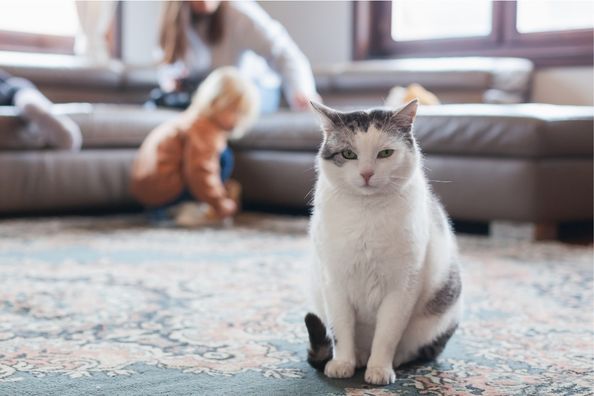
Your cat sleeps in a warm house, eats on a schedule, and never faces a coyote or a car. So they must be healthy, right? Not necessarily. Indoor cats face a unique set of health risks that are easy to overlook precisely because they seem so comfortable. Obesity, dental disease, stress, and missed early warning signs are far more common in indoor cats than most owners realize. Indoor cat wellness tips are not just nice to have they are what keep your cat living a long, healthy life. This article walks through the wellness basics that even attentive cat owners sometimes miss: routine checkups, exercise, dental care, mental stimulation, and how to spot the early signs that something is off.
What a Routine Vet Visit Actually Catches
Indoor cats do not need vaccines against outdoor threats every year, but they absolutely still need annual veterinary exams. A physical exam covers far more than vaccines. Vets check organ health, body weight, coat condition, lymph nodes, and early disease markers that you simply cannot see at home.
In our experience, many indoor cat owners wait until something is visibly wrong before scheduling a visit. By that point, conditions like kidney disease, hyperthyroidism, or dental disease are often well advanced. Early detection through routine exams gives your cat a much better outcome.
Studies suggest that cats are masters at hiding discomfort. Many show no outward signs of illness until a condition has progressed significantly. An annual exam is your best tool for catching problems before they become serious.
Cat health checkup signs that warrant a sooner visit include: sudden weight changes, changes in litter box habits, excessive thirst, hiding more than usual, or changes in vocalization. Do not wait for the annual exam if you notice any of these.
How Often Should Indoor Cats See a Vet?
Indoor cats under age 7 should see a veterinarian once a year for a full wellness exam. Cats age 7 and older benefit from biannual visits, since age-related conditions can develop quickly and early intervention makes a meaningful difference. Kittens under one year old typically need several visits for vaccines and developmental monitoring.
Cat health checkup signs to track between visits include appetite, water intake, litter box output, coat quality, and energy level. Keeping a simple log helps your vet spot trends.
The Exercise Problem Nobody Talks About
Indoor cats do not hunt. They do not climb trees or chase prey across open ground. That low activity level has real consequences. An estimated 60% of cats in the United States are classified as overweight or obese, and indoor-only cats are disproportionately represented in that number.
Indoor cat exercise needs are easy to underestimate because cats sleep so much. But those bursts of activity matter enormously for joint health, muscle tone, digestion, and weight management. A cat that never plays is a cat at risk.
Pet owners often tell us they tried toys but their cat lost interest quickly. That is normal. Rotate toys regularly. Use wand toys, laser pointers, and puzzle feeders in short 5-to-10-minute sessions twice daily. Even that small amount of structured play makes a measurable difference.
Indoor cat exercise needs do not require elaborate setups. A cardboard box, a crinkle ball, or a paper bag can trigger the same prey-chase instinct as a $50 toy. Consistency matters more than the gear.
Cat Dental Care: The Symptom Hiding in Plain Sight
Dental disease is one of the most underdiagnosed conditions in indoor cats. Estimates suggest that 70% of cats show signs of dental disease by age 3. Bad breath in cats is not normal, and it is usually the first signal that something needs attention.
Cat dental care at home starts with getting your cat used to having their mouth touched. Use a finger brush or a soft gauze pad with pet-safe toothpaste. Daily brushing is ideal, but even three times per week dramatically reduces plaque buildup.
Beyond brushing, dental chews and water additives can help. Certain dry foods are specifically formulated to reduce tartar, though they are not a substitute for brushing. Your vet can recommend options that suit your cat’s needs.
Many cats we see for halitosis (bad breath) turn out to have painful gum inflammation or even loose teeth that had gone unnoticed for months. Cat dental care at home is important, but it works alongside professional cleanings, not instead of them. Ask your vet how often a cleaning is appropriate for your cat’s age and dental health.
Stress in Indoor Cats Is More Common Than You Think
Cats are territorial animals. A home that feels crowded, unpredictable, or lacking in vertical space can generate real psychological stress, even without any obvious trigger. We frequently remind our clients that stress in indoor cats is a medical issue, not just a behavioral quirk.
Chronic stress weakens the immune system, disrupts digestion, and is strongly linked to feline idiopathic cystitis, a painful bladder condition. Stress in indoor cats can also cause over-grooming, aggression, hiding, or changes in appetite.
Signs to watch for: excessive grooming in one spot, avoidance of the litter box, sudden aggression toward people or other pets, and loss of interest in play or interaction. These are not personality issues. They are symptoms.
Reducing stress starts with environmental enrichment. Provide at least one vertical space per cat (a cat tree, shelving, or a window perch). Ensure each cat in a multi-cat household has its own food bowl, water source, and litter box, plus one extra. A consistent daily routine also helps cats feel secure.
Dublin Veterinary Hospital can help you identify whether your indoor cat’s behavior changes are stress-related or signal an underlying medical condition. Both require attention, and distinguishing between them matters.
Prevention Is Important
The most important shift indoor cat owners can make is from reactive to proactive care. By the time a cat is limping, vomiting regularly, or refusing to eat, a problem has already taken hold. Prevention catches issues before they become expensive and painful.
Indoor cat wellness tips come down to four consistent habits: annual vet exams (biannual for seniors), daily or near-daily play sessions, regular dental care at home paired with professional cleanings, and environmental enrichment that addresses both physical and mental needs.
Conclusion
Cats do not show pain the way dogs do. They are stoic, often to their own detriment. Your attention to small changes in behavior, appetite, and litter box habits is the early warning system your cat cannot provide for itself.
Quality veterinary care, paired with consistent at-home habits, gives indoor cats the foundation they need to thrive well into their senior years. The team at Dublin Veterinary Hospital is here to support every stage of your cat’s life with practical, compassionate guidance. Book an appointment today.
Frequently Asked Questions
Q: How often do indoor cats need vet checkups?
Ans: Indoor cats under age 7 should have an annual wellness exam. Cats age 7 and older benefit from biannual visits to catch age-related conditions early.
Q: What are signs my indoor cat is not healthy?
Ans: Watch for sudden weight changes, increased or decreased thirst, litter box changes, hiding, excessive grooming, or loss of interest in play. Any of these warrants a vet visit.
Q: Do indoor cats need dental care?
Ans: Yes. Dental disease affects an estimated 70% of cats by age 3. Brushing at home and periodic professional cleanings are both important parts of cat dental care.
Q: How much exercise does an indoor cat need?
Ans: Indoor cats benefit from two 5-to-10-minute interactive play sessions per day. Wand toys, puzzle feeders, and rotating toys are all effective ways to meet their activity needs.
Q: Can indoor cats get stressed?
Ans: Yes. Stress in indoor cats is common and can lead to health issues, including bladder problems, over-grooming, and digestive upset. Environmental enrichment and a consistent routine help significantly.