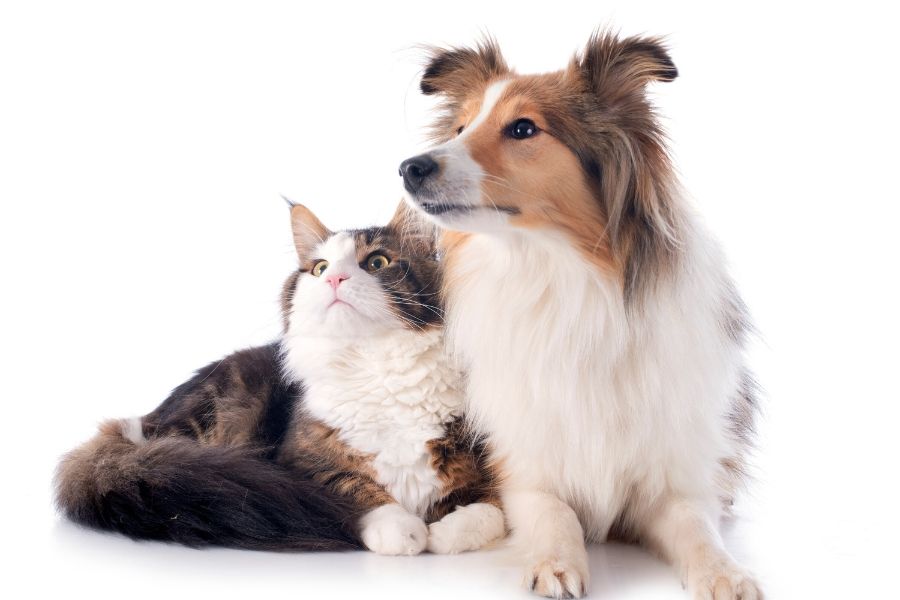
Your pet cannot tell you how they feel. But their body does the talking. Learning to read happy pet behaviors gives you a direct window into your companion’s emotional and physical health. Most pet owners focus on spotting illness or pain, and that awareness is valuable. But recognizing joy is just as important. A pet that thrives emotionally is far more likely to thrive physically too. The good news is that happiness in dogs and cats is not subtle. Once you know what to look for, the signs are clear, consistent, and genuinely fun to notice. This guide breaks down 10 behaviors that signal your pet is content, safe, and living well.
What Are the Signs of a Happy Pet?
Happy pets show their contentment through body language, energy level, appetite, and social engagement. A relaxed posture, consistent appetite, and interest in play are the three most reliable indicators of emotional wellness in both dogs and cats. If your pet is eating well, engaging with you, and resting comfortably, those are strong signs of a content and healthy animal.
Signs Your Dog Is Truly Content
Dogs are expressive animals. The signs of a happy dog are written all over their body. Here are the top behaviors to watch for:
- Loose, wiggly body posture. A happy dog holds its body loosely, with soft muscles and a relaxed tail. Stiffness usually signals stress or discomfort.
- A tail wagging from the hip. Full-body wags, especially in a circular pattern, signal genuine excitement. A tail held stiff or low, even if moving, is different.
- Soft, relaxed eyes. Happy dogs have soft, blinking eyes. Wide, hard stares indicate tension or alertness, not joy.
- Play bowing. Front legs stretched forward, rear end up, is a classic invitation to play. Dogs use this with humans and other animals alike.
- Seeking your company. A dog that chooses to rest near you, nudge your hand, or follow you between rooms is showing trust and affection.
Pet owners often tell us that their dog “just seems off” before any clinical sign appears. That gut feeling comes from noticing deviations from these normal, happy behaviors. Trust it.
How Cats Show They Are Happy
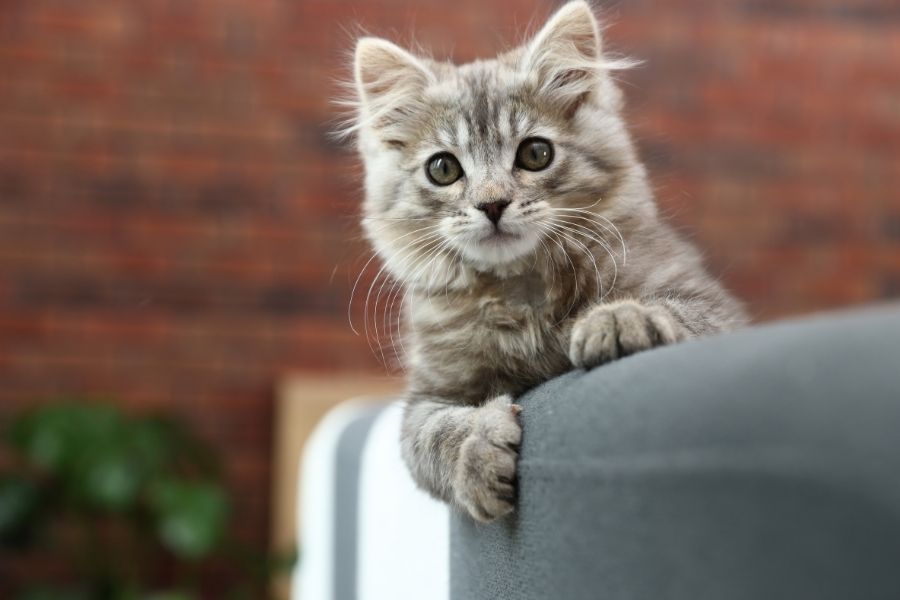
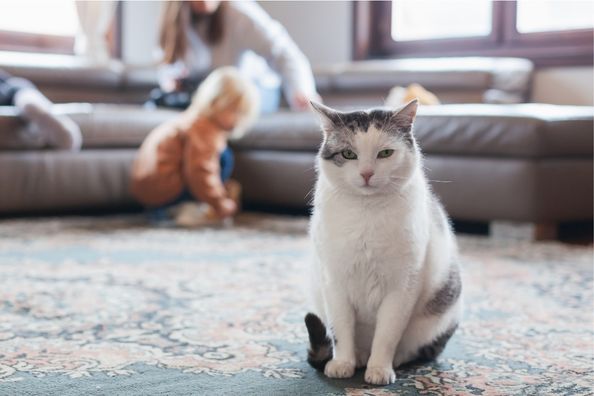
Cats are subtler, but their signals are just as reliable. The signs of a happy cat often look like stillness or quiet affection, which owners sometimes mistake for indifference.
- Slow blinking at you. This is sometimes called a “cat kiss.” A relaxed, slow blink from your cat signals trust and contentment. Try blinking slowly back.
- Kneading. When a cat pushes its paws rhythmically into a soft surface, it is expressing deep comfort. This behavior starts in kittenhood and persists in content adult cats.
- Chirping and trilling. Happy cats vocalize differently than anxious ones. Short, melodic chirps and trills directed at you are greetings and affection.
- Grooming you. A cat that licks your hand or head is treating you like part of its social group. That is a significant trust signal.
- Belly exposure. Cats rarely show their belly unless they feel completely safe. A cat that rolls over near you is not always asking for a belly rub, but it is showing you deep comfort.
In our experience, cats that stop vocalizing, hide more than usual, or lose interest in grooming are showing early signs of stress or illness, not personality changes. Any shift from these happy baselines deserves attention.
The Role of Play in Pet Happiness
Play is not optional for pets. It is a biological need. Both dogs and cats require regular play for cognitive stimulation, physical health, and emotional balance.
Studies suggest that pets who engage in regular play show lower rates of anxiety-related behaviors, including destructive chewing in dogs and inappropriate elimination in cats. Healthy pet body language during play includes loose movement, self-handicapping (letting the other “win”), and frequent pauses to check in with a human or companion.
Watch for these play signals in dogs: bouncy, exaggerated movement; a high, loosely wagging tail; and repeated play bows. In cats, crouching and stalking behavior, pouncing on toys, and post-play grooming are all normal and positive.
A pet that suddenly loses interest in play should be evaluated. That shift in motivation is one of the earlier and more reliable signs that something has changed. We frequently remind our clients that behavioral changes often precede physical symptoms by days or even weeks. Healthy pet body language is your first line of observation.
Appetite, Rest, and Routine as Happiness Indicators
Consistent appetite and regular sleep are two of the most overlooked signs of pet wellness. A dog or cat that eats enthusiastically, drinks a normal amount of water, and follows a predictable sleep routine is showing you that its body and mind are regulated.
Happy dogs typically sleep 12 to 14 hours per day. Cats sleep even more, averaging 14 to 16 hours. Restful, deep sleep in a relaxed position, especially on their side or back, indicates low stress and physical comfort.
Routine itself is a wellness indicator. Pets that greet you the same way each day, request meals on schedule, and engage in predictable behaviors are demonstrating stability. Disruptions to routine, such as refusing meals, sleeping in unusual spots, or showing sudden clinginess or withdrawal, are signals worth noting.
Pet wellness tips for owners often focus on diet and exercise, and those matter. But consistent routine observation is what actually catches problems early. Knowing your pet’s normal makes the abnormal obvious.
How to Support and Protect Your Pet’s Happiness
Maintaining your pet’s emotional health is an active responsibility. These four practices directly support the behaviors described above:
- Schedule regular wellness exams. Behavioral changes are often the first indicator of underlying health issues. Annual or biannual vet visits catch problems before they become serious.
- Provide daily enrichment. Rotate toys, introduce puzzle feeders, and vary walk routes for dogs. Give cats vertical space, scratching surfaces, and window access.
- Respect body language signals. If your pet moves away, freezes, or shows a tucked tail, do not force interaction. Let the pet set the pace.
- Maintain feeding and sleep routines. Predictability reduces stress and supports emotional regulation in both dogs and cats.
- Watch for baseline shifts. A behavioral log, even informal notes on your phone, helps you spot trends before they escalate.
Pet wellness tips for owners always come back to the same foundation: observation, consistency, and professional support when something changes. Dublin Veterinary Hospital encourages every pet parent to treat behavioral awareness as a core part of daily care.
Knowing When Happy Behaviors Signal a Need for a Checkup
Sometimes a behavior that looks like happiness is actually masking something else. Excessive vocalization, hyperactivity, or exaggerated clinginess can be signs of anxiety, pain, or an underlying medical condition.
One common misconception among pet owners is that a playful, energetic pet cannot possibly be sick. In our experience, some of the most socially active pets in an exam room are managing chronic discomfort. Energy and appetite can remain intact even when a condition is progressing. That is why annual wellness visits matter even for pets that seem perfectly happy.
In Perkasie, PA, our team at Dublin Veterinary Hospital, a trusted veterinary hospital in Perkasie, sees pets across every life stage, and the ones with the best long-term outcomes are almost always the ones whose owners are paying close attention to behavioral baselines.
Conclusion
Understanding happy pet behaviors is one of the most practical skills a pet owner can develop. A relaxed posture, engaged play, consistent appetite, and trusting eye contact are not just signs of a good day. They are signs of a well-cared-for animal. When those behaviors shift, even slightly, that is the moment to act. Dublin Veterinary Hospital is here to support both you and your pet through every stage. If something feels different, trust that instinct and make the call. Book an appointment today.
Frequently Asked Questions
Q: What are the most common signs of a happy dog?
Ans: Happy dogs typically show a loose, wiggly body, a freely wagging tail, soft eyes, and a desire to stay close to their owner. They eat well, sleep soundly, and engage in regular play.
Q: How do I know if my cat is happy or just tolerating me?
Ans: A genuinely content cat will slow-blink at you, knead soft surfaces, vocalize with chirps or trills, and occasionally groom you. If your cat seeks proximity and exposes its belly near you, those are strong trust and happiness signals.
Q: Can a happy-seeming pet still be sick?
Ans: Yes. Some pets maintain social behavior and appetite even when managing pain or illness. That is why regular wellness exams are important regardless of how healthy a pet appears.
Q: How much play does my pet need each day?
Ans: Most dogs benefit from at least 30 minutes of active play or exercise daily, while cats thrive with two to three short play sessions of 10 to 15 minutes each. Needs vary by age, breed, and health status.
Q: What behavioral changes should prompt a vet visit?
Ans: Any sudden shift from your pet’s normal baseline warrants attention. This includes loss of appetite, changes in sleep patterns, reduced interest in play, increased hiding in cats, or changes in how your pet interacts with you.