Many pet owners know how important sunscreen is for people during the summer, but fewer realize that pets can also suffer from painful sunburns. Whether your dog loves lounging outside or your cat enjoys sunny windowsills, too much sun exposure can damage their skin and increase the risk of serious health problems.
In this guide, we’ll answer common questions like can dogs get sunburned, can cats get sunburned, and how to recognize the warning signs of pet sunburn. You’ll also learn which pets are most at risk, how to prevent sun damage, and when it’s time to contact a veterinarian for treatment.
Can Dogs Get Sunburned
Yes, dogs can absolutely get sunburned, especially during the summer months when UV exposure is strongest. Although fur offers some protection, certain areas of a dog’s body have thinner hair or exposed skin that can burn easily. Dogs with light colored fur, pink skin, or short coats are often more vulnerable to sun damage.
Common areas where dogs get sunburned include:
- Nose
- Ears
- Belly
- Groin area
- Eyelids
- Areas with thin fur
Dogs that spend a lot of time outdoors, sunbathe frequently, or enjoy long walks during peak afternoon heat are at higher risk.
Can Cats Get Sunburned
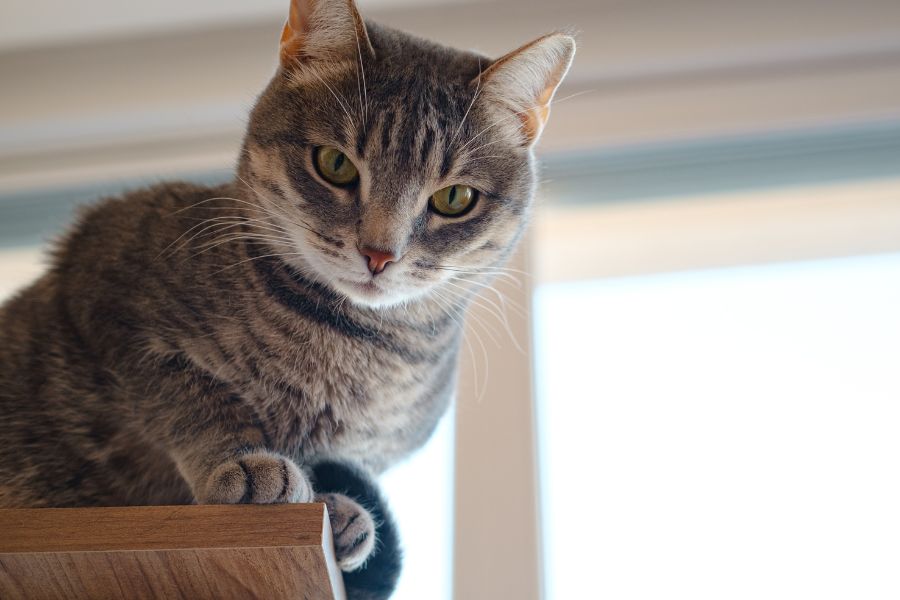
Many cats love resting near sunny windows, and prolonged UV exposure through them can still cause skin damage over time.
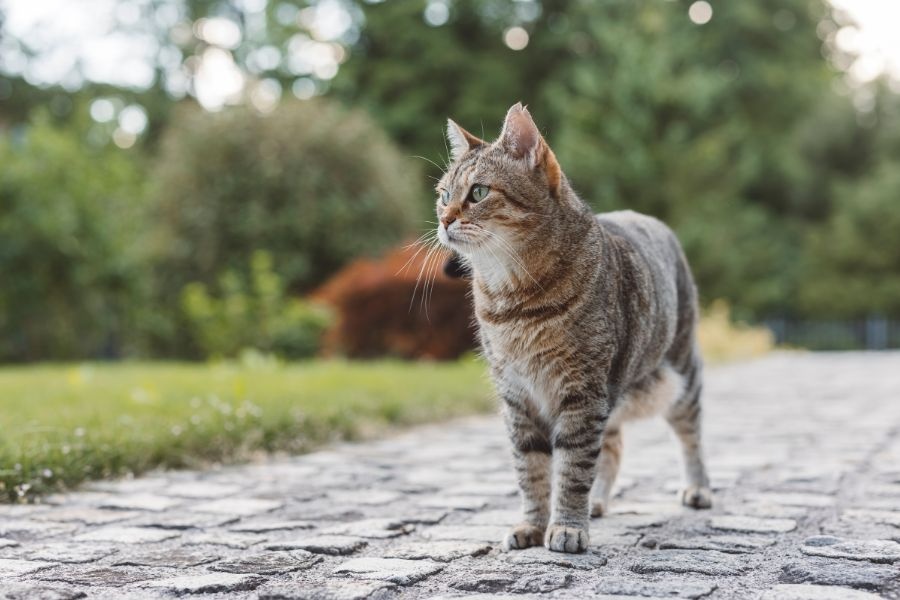
Cats with white fur or light colored ears and noses are especially sensitive to sunlight. Hairless cat breeds also face a much higher risk of pet sunburn.
Common sunburned areas in cats include:
- Ear tips
- Nose
- Eyelids
- Lips
Repeated sun exposure in cats may eventually lead to more serious skin conditions if left untreated.
What Does Pet Sunburn Look Like
A pet’s sunburn can look very similar to a sunburn in people.
Common signs of pet sunburn include:
- Red or pink skin
- Dry or flaky skin
- Warm skin to the touch
- Hair loss in affected areas
- Tenderness or pain
- Cracked skin
- Blisters in severe cases
Some pets may also scratch or lick irritated skin more often because of discomfort.
Mild cases may improve within a few days, but severe sunburn can lead to infection or long-term skin damage.
Which Pets are Most at Risk for Sunburn
Some pets are naturally more vulnerable to UV damage than others.
Higher risk pets include:
- White or light colored pets
- Hairless breeds
- Pets with thin coats
- Senior pets
- Pets with recent grooming or shaved fur
- Pets with skin conditions
Certain dog breeds, such as Dalmatians, Bull Terriers, and Pitbull-type dogs, may have more exposed skin that burns easily.
Hairless cat breeds such as the Sphynx also require extra sun protection.
Why Pet Sunburn Should Not Be Ignored
Many owners assume sunburn is only a temporary irritation, but repeated UV exposure can lead to more serious problems.
Potential complications of untreated pet sunburn include:
- Painful skin inflammation
- Skin infections
- Chronic irritation
- Increased risk of skin cancer
Cats with repeated sun damage on their ears or noses may develop squamous cell carcinoma, a serious type of skin cancer commonly linked to UV exposure.
Early prevention is one of the best ways to protect your pet’s long-term skin health.
How to Prevent Sunburn in Dogs and Cats
Preventing pet sunburn is usually simple with a few summer safety habits.
Helpful prevention tips include:
- Limit outdoor time during peak sunlight hours
- Provide shaded areas outside
- Avoid shaving pets too closely
- Use veterinarian-approved pet sunscreen
- Keep pets indoors during extreme heat
- Use UV-blocking window film if needed
The strongest UV rays are typically between 10 AM and 4 PM, so outdoor activity is often safer in the early morning or evening.
Can You Use Human Sunscreen on Pets
Not all human sunscreens are safe for pets.
Some sunscreen ingredients, including zinc oxide and salicylates, can be toxic if licked or swallowed by dogs and cats.
Instead use:
- Pet safe sunscreen products
- Sunscreens recommended by your veterinarian
- Products specifically labeled for dogs or cats
Signs Your Pet Needs Veterinary Attention
Mild pet sunburn may improve with rest and reduced sun exposure, but some symptoms require professional care.
Contact your nearest veterinarian if your pet develops:
- Blistering skin
- Open sores
- Severe redness
- Swelling
- Signs of infection
- Extreme pain
- Lethargy or fever
Prompt treatment can help relieve discomfort and reduce the risk of complications.
How Veterinarians Treat Pet Sunburn
Treatment depends on the severity of the burn and whether secondary infections are present.
A veterinary hospital may recommend:
- Topical medications
- Pain relief medication
- Antibiotics if infection develops
- Protective skin care products
- Follow-up skin monitoring
In severe cases, additional testing may be needed if abnormal skin changes are present.
Summer Safety Tips Beyond Sunburn
While pet sunburn is important to prevent, summer heat also increases the risk of dehydration and heat exhaustion.
Additional summer safety tips include:
- Always provide fresh water
- Avoid hot pavement
- Never leave pets in parked cars
- Monitor pets closely during outdoor play
- Watch for excessive panting or lethargy
Pets with thick coats or breathing issues may struggle more during hot weather and need extra precautions.
Outdoor Activities and Sun Safety for Pets
Many pet owners enjoy outdoor adventures during summer, but extended sun exposure can quickly become dangerous.
Whether your dog enjoys hiking, backyard play, or relaxing on patios, it’s important to provide regular cooling breaks and shade.
Cats that spend time outdoors should also have access to covered resting areas away from direct sunlight.
Being proactive about sun protection helps pets stay comfortable while still enjoying summer activities safely.
Protect Your Pet From Painful Summer Sunburn
Many pet owners are surprised to learn that pet sunburn is more common than expected during warmer months. Understanding whether dogs and cats can get sunburned helps owners recognize the risks early and take preventive steps before skin damage becomes serious.
By limiting excessive sun exposure, using veterinarian-approved sun protection, and watching for early signs of irritation, you can help keep your pet safer and more comfortable throughout the summer.
If your pet develops redness, irritation, or signs of sunburn, schedule an appointment with Dublin Veterinary Hospital for professional skin care guidance and treatment. Pet owners in Perkasie can also speak with our vet team about preventive care options to help protect pets during hot summer weather.
FAQs
Q1: Can dogs get sunburned even with fur?
Ans: Yes. Dogs with thin fur, light colored coats, or exposed skin areas can still develop sunburn, especially on the nose, ears, and belly.
Q2: Can cats get sunburned indoors?
Ans: Yes. Cats resting in sunny windows for long periods may still experience UV exposure that contributes to skin damage over time.
Q3: What are the signs of pet sunburn?
Ans: Common signs of pet sunburn include red skin, dryness, tenderness, hair loss, peeling skin, and discomfort when touched.
Q4: Is human sunscreen safe for pets?
Ans: No. Many human sunscreens contain ingredients that may be toxic to dogs and cats if ingested. Always use veterinarian-approved pet sunscreen products.
Q5: When should I take my pet to a veterinarian for sunburn?
Ans: You should contact a veterinarian if your pet develops blistering, swelling, open sores, severe pain, or signs of infection after sun exposure.