Bringing home a new puppy or kitten is one of the most exciting things a family can do. we meet new pet owners every week who are full of love for their new companion but unsure of what comes next medically. The first year of a pet’s life sets the foundation for everything. Vaccines, parasite prevention, spay or neuter timing, and developmental checkups all happen in rapid succession during those early months. Missing even one appointment can leave your pet vulnerable to preventable disease. Understanding your first year vet visits before you even walk through the door helps you stay on schedule, ask better questions, and feel confident as a new pet parent. This guide walks you through every milestone so nothing gets missed.
What Happens During the First Year of Vet Care
The first year of a pet’s life is the most medically active period they will ever have. Puppies and kittens go through rapid physical and immune system development. Their bodies need veterinary support at specific intervals to stay on track.
During this period, your pet will receive a series of core vaccines, routine parasite screenings, and physical exams to catch any issues early. Developmental milestones are also assessed at each visit, including weight, dental development, and heart and lung health.
In our experience, pet owners are often surprised by how many appointments are packed into that first year. It can feel like a lot. But each visit has a distinct purpose, and spacing them correctly is critical for vaccine effectiveness and early disease detection.
The Recommended Visit Timeline for Puppies and Kittens
Most veterinary Hospitals recommend that puppies and kittens begin care between 6 and 8 weeks of age. From there, visits are typically scheduled every 3 to 4 weeks until 16 weeks old.
Here is a general timeline:
- 6 to 8 weeks: First exam, first round of core vaccines, fecal parasite test, flea and tick prevention discussion
- 10 to 12 weeks: Booster vaccines, weight check, socialization, and nutrition guidance
- 14 to 16 weeks: Final puppy or kitten series vaccines, including rabies, microchipping, and spay or neuter consultation
- 6 months: Spay or neuter procedure (timing varies by breed and species)
- 12 months: One-year wellness exam, booster vaccines, transition to adult care plan
Puppy and kitten wellness exams at each of these stages give your vet a full picture of how your pet is developing. Catching something like a heart murmur or a retained baby tooth early makes treatment far more straightforward.
What to Expect at Your First Few Appointments
Many first-time pet owners are nervous about walking into that initial appointment. Knowing what to expect at vet visits takes the anxiety out of the process for both you and your pet.
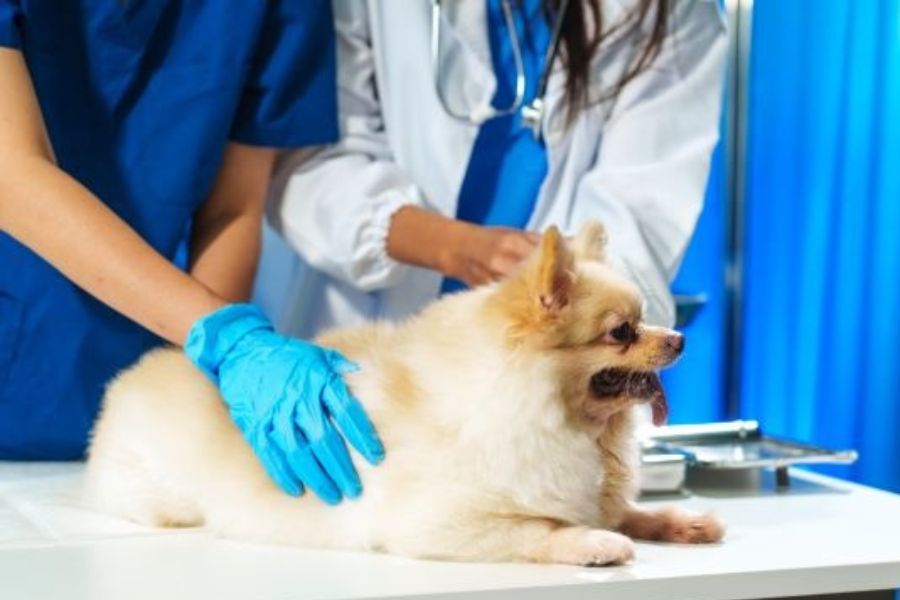
At the first visit, your vet will do a full nose-to-tail physical exam. They will check your pet’s eyes, ears, teeth, heart, lungs, abdomen, and skin. They will also weigh your pet and review any health records provided by your breeder or rescue.
You will be asked about your pet’s diet, home environment, and any symptoms you have noticed. This is a great time to ask every question on your list. No question is too small. Pet owners often tell us they wish they had written their questions down beforehand because the appointment goes quickly.
Your vet will also recommend a parasite prevention plan. In Pennsylvania, fleas, ticks, and heartworm are all real risks, and prevention starts in that very first visit.
How the New Pet Vaccination Schedule Protects Your Pet
Vaccines work by training your pet’s immune system to recognize and fight specific diseases. A new pet vaccination schedule is not optional or just a formality. It is the single most effective tool for preventing serious illness in young animals.
Core vaccines for puppies include distemper, parvovirus, adenovirus, and rabies. Core vaccines for kittens include panleukopenia, herpesvirus, calicivirus, and rabies. Non-core vaccines, such as Bordetella for dogs or FeLV for cats, are recommended based on your pet’s lifestyle and exposure risk.
Research from the American Animal Hospital Association (AAHA) consistently shows that properly vaccinated pets have significantly lower rates of preventable infectious disease. Skipping or delaying vaccines, even by a few weeks, can leave a young animal vulnerable during its most fragile developmental window.
We frequently remind our clients that the booster series is just as important as the first shot. A single vaccine dose does not produce full immunity in most young animals. The series builds protection over time.
Building a Strong Pet Health Foundation in Year One
The first year is not just about keeping your pet alive and healthy. It is about establishing habits and a baseline health record that will serve them for life. Pet health first-year care creates a relationship between your pet and their vet that makes every future visit easier.
Annual wellness exams begin at the one-year mark. At that point, your vet will recommend a schedule tailored to your pet’s species, breed, age, and individual risk factors. Large breed dogs, for example, may have different joint health screening needs than small breeds.
One of the most common misconceptions we hear is that once a pet looks healthy, vet visits are unnecessary. In reality, many serious conditions, including kidney disease, dental disease, and parasites, show no visible symptoms in the early stages. Puppy and kitten wellness exams catch these problems before they become expensive or life-threatening.
Regular visits also help your pet become comfortable with the veterinary environment. Pets who visit the clinic often are calmer and easier to examine. That makes care safer and more effective for everyone.
Conclusion
The first year of your pet’s life moves fast. Vaccines, wellness exams, parasite prevention, and developmental milestones all stack up quickly. Staying on top of your first year vet visits is the single most important thing you can do for your new companion’s long-term health. A consistent schedule in year one builds the foundation for a longer, healthier life. If you are a new pet owner in Perkasie, PA, and are not sure where to start, the team at Dublin Veterinary Hospital is here to guide you through every step. We make the process simple, clear, and stress-free for both you and your pet. Book an appointment today.
Frequently Asked Questions
How many vet visits does a puppy or kitten need in the first year?
Ans: Most puppies and kittens need 4 to 5 vet visits during their first year. Appointments are typically scheduled every 3 to 4 weeks from 6 weeks of age through 16 weeks, followed by a spay or neuter visit around 6 months and a one-year wellness exam.
When should I take my new kitten to the vet for the first time?
Ans: Kittens should have their first vet visit between 6 and 8 weeks of age. This first appointment includes a full physical exam, initial vaccines, a fecal parasite test, and a discussion about flea prevention and nutrition.
What should I bring to my pet’s first vet appointment?
Ans: Bring any health records or vaccine history from your breeder, shelter, or rescue organization. Also bring a stool sample if possible for parasite testing. Write down any questions you have about your pet’s diet, behavior, or development so you do not forget them during the visit.
Is it safe to take my puppy outside before completing all vaccines?
Ans: Your vet will give you specific guidance based on where you live and your puppy’s vaccine status. In general, it is best to avoid dog parks, pet stores, and areas with high dog traffic until the vaccine series is complete. Socialization is still important and can happen safely in controlled environments with vaccinated dogs.