A wellness exam is more than a quick once-over; it’s a full-picture look at your pet’s health. During a routine visit, your veterinarian checks for early signs of illness, tracks changes over time, and helps prevent problems before they start. In this article, we’ll walk through five important things your vet finds during a wellness exam and why these findings matter for your pets.
Why Pet Wellness Exams Matter More Than You Think
Many pet owners assume wellness exams are only for vaccines or when something seems “off.” In reality, these routine visits are one of the most powerful tools in preventive veterinary care. Pets age faster than humans, and subtle health changes can happen quickly, often without obvious symptoms.
Regular wellness exams help your vet:
- Establish a health baseline for your pet
- Catch problems early, when treatment is simpler and more affordable
- Customize care based on age, breed, and lifestyle
- Support long-term quality of life
For pets, seasonal changes, local parasites, and lifestyle factors like outdoor activity all play a role in overall health, making routine checkups especially valuable.
1. Early Signs of Hidden Health Problems
One of the most important things your vet looks for during a wellness exam is early disease, even when your pet seems perfectly fine at home. Animals are experts at hiding discomfort, so many conditions don’t show obvious symptoms until they’re advanced.
During the exam, your vet may detect:
- Subtle heart murmurs or irregular rhythms
- Early joint stiffness or reduced range of motion
- Small lumps, bumps, or skin changes
- Mild weight loss or gain that signals internal issues
When concerns are found, your veterinarian may recommend additional testing as part of comprehensive pet diagnostic care, helping confirm issues early and guide the right treatment plan.
2. Changes in Weight, Body Condition, and Muscle Tone
Weight isn’t just a number on the scale. During a wellness exam, your vet evaluates body condition score, fat distribution, and muscle mass to get a clearer picture of your pet’s overall health.
Your vet may identify:
- Gradual weight gain that increases the risk of diabetes or arthritis
- Muscle loss, especially in senior pets
- Poor weight gain in puppies or kittens
- Signs of nutritional imbalance
In Perkasie, where pets may alternate between active outdoor time and indoor living, these changes can happen slowly and go unnoticed. A wellness exam helps ensure your pet’s diet and activity level are truly meeting their needs.
3. Dental and Oral Health Issues
Dental disease is one of the most common and most overlooked health problems in pets. During a wellness exam, your vet carefully checks your pet’s mouth, gums, and teeth.
Common findings include:
- Tartar and plaque buildup
- Gum inflammation or bleeding
- Broken, loose, or infected teeth
- Bad breath linked to oral infection
Dental issues don’t just affect the mouth. Untreated dental disease can allow bacteria to enter the bloodstream, potentially impacting the heart, liver, and kidneys. Routine exams help identify dental problems early, often before your pet shows pain or stops eating.
4. Parasites and Preventive Care Gaps
Even pets that look healthy can carry parasites. During a wellness exam, your vet checks for both external and internal parasites and reviews your pet’s preventive care plan.
Your vet may find:
- Fleas or flea dirt are hidden in the coat
- Ticks are common in Pennsylvania’s wooded and grassy areas
- Signs of intestinal parasites
- Gaps in heartworm, flea, or tick prevention
Wellness visits are also the time to update vaccinations and adjust preventive medications based on your pet’s lifestyle. A dog that hikes local trails or a cat that sneaks outdoors may need different protection than a strictly indoor pet.
5. Behavior, Mobility, and Lifestyle Changes
A wellness exam isn’t just physical; it’s also about how your pet is feeling and behaving day to day. Your vet asks questions and observes movement, posture, and interaction.
Key things your vet evaluates include:
- Changes in energy levels or sleep habits
- Mobility issues like limping or difficulty jumping
- Anxiety, aggression, or unusual behaviors
- Age-related changes in senior pets
These observations help your vet tailor care recommendations, whether that means joint support for aging dogs, enrichment ideas for indoor cats, or guidance on managing stress and behavior changes.
What Happens During a Typical Pet Wellness Exam
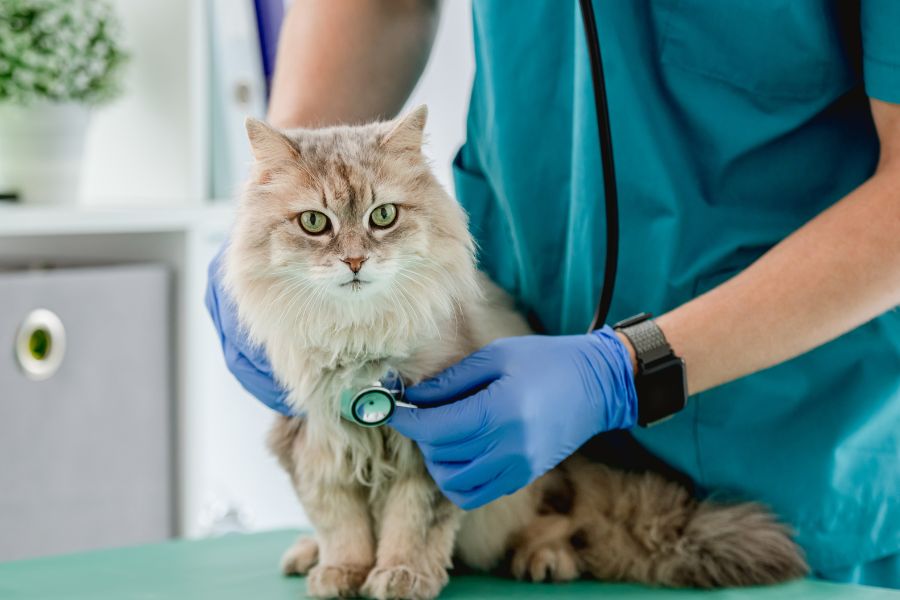
While every pet is unique, most wellness exams include:
- A full nose-to-tail physical exam
- Weight and body condition assessment
- Heart and lung evaluation
- Oral and dental check
- Skin, coat, and ear inspection
- Discussion of diet, behavior, and lifestyle
- Preventive care planning
Your vet may also recommend routine lab work, especially for adult and senior pets, to screen for issues that aren’t visible during a physical exam alone.
How Often Should Pets Have Wellness Exams?
General guidelines include:
- Puppies and kittens: multiple visits during the first year
- Adult pets: at least once a year
- Senior pets: every 6 months, when possible
Senior pets benefit from more frequent exams because health changes can happen rapidly with age.
Conclusion
A wellness exam is truly more than just a checkup. It’s a proactive approach to protecting your pet’s health, catching problems early, and supporting a longer, happier life. By identifying hidden illness, monitoring weight and dental health, checking for parasites, and addressing behavior or mobility changes, your vet plays a critical role in your pet’s well-being.
If your pet is due for a wellness exam in the Perkasie area, book an appointment with Dublin Veterinary Hospital today! We provide personalized wellness care built around the needs of your pets.
FAQs
Q1: What does a vet look for during a wellness exam?
Ans: A vet checks your pet’s overall health, including weight, heart, teeth, skin, mobility, and early signs of disease that may not be visible at home.
Q2: Are wellness exams necessary if my pet seems healthy?
Ans: Yes. Many health issues develop quietly, and wellness exams help catch problems early before symptoms appear.
Q3: How long does a pet wellness exam usually take?
Ans: Most wellness exams take 20–30 minutes, depending on your pet’s age, health, and whether vaccines or lab tests are needed.
Q4: Do senior pets need more frequent wellness exams?
Ans: Senior pets often benefit from exams every six months because age-related conditions can progress quickly.
Q5: Can a wellness exam prevent serious health problems?
Ans: While it can’t prevent every illness, a wellness exam greatly improves early detection, which can reduce complications and improve outcomes.