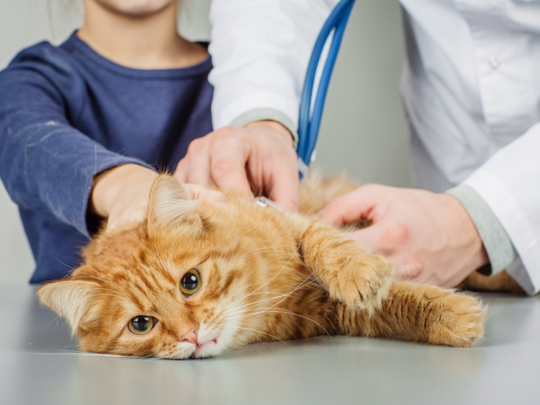
Pets rely on us to notice when something feels “off,” yet some health issues hide beneath the surface. Unlike humans, they can’t verbalize discomfort, which makes veterinary diagnostic testing essential. From bloodwork to imaging, diagnostic tools allow veterinarians to look deeper and catch problems before they become serious. That’s why many pet owners turn to trusted pet diagnostic care Perkasie to safeguard their furry family members.
Reason #1: Early Detection of Silent Conditions
Many illnesses, such as kidney disease, diabetes, or thyroid disorders, develop gradually and without obvious symptoms. By the time changes in appetite, behavior, or energy become noticeable, the condition may already be advanced. Routine diagnostic testing can catch these issues early, allowing for timely treatment and a better quality of life. Preventive screenings are truly lifesaving.
Reason #2: Figuring Out What Symptoms Really Mean
When your pet shows concerning signs—like sudden weight loss, vomiting, or lethargy—it’s not always clear what’s causing it. Diagnostic tests act like a roadmap, helping your veterinarian pinpoint the exact issue instead of relying on guesswork. Blood tests, urinalysis, and X-rays reveal what’s happening inside your pet’s body, ensuring more accurate and effective treatment.
Reason #3: Monitoring Chronic Conditions
Pets with ongoing health issues such as arthritis, heart disease, or diabetes need consistent monitoring. Diagnostic testing helps veterinarians track how well treatments are working and whether adjustments are needed. At facilities offering pet diagnostic care, regular blood panels, ultrasounds, or even advanced imaging help keep chronic conditions under control and your pet comfortable.
Reason #4: Pre-Surgery Safety Checks
Before anesthesia or surgery, diagnostic testing provides peace of mind. Bloodwork can reveal how organs like the liver and kidneys are functioning, ensuring your pet can safely receive anesthesia. These precautionary measures reduce risks and allow for any necessary adjustments in treatment plans. For many vets, this step is non-negotiable when safety comes first.
Reason #5: Senior Pet Wellness
As pets age, they become more susceptible to hidden diseases such as cancer, liver disease, and endocrine disorders. Senior wellness panels often include a broad set of screenings to catch age-related changes early. Since older pets can mask illness surprisingly well, regular diagnostic testing becomes a cornerstone of long-term, proactive care. If your dog or cat is getting up in years, pet diagnostic care is one of the best ways to give them a comfortable, extended life.
Reason #6: Detecting Parasites and Infections
Not all health threats are internal organ issues—some come from external invaders. Through diagnostic testing, veterinarians detect parasites like heartworms, intestinal worms, or tick-borne infections before they spiral into bigger problems. A routine fecal exam or blood test is quick but can prevent months of discomfort for your furry friend.
Reason #7: Providing Answers When Behavior Changes
Sometimes health issues present as behavioral changes. A once-playful dog may become withdrawn, or a cat may suddenly stop using the litter box. Diagnostic testing helps rule out medical causes behind these behavioral shifts. With test results in hand, a veterinarian skilled in pet diagnostic care Perkasie can distinguish between a medical issue and a behavioral one, pointing you in the right direction.
At-Home Care Is Helpful, But Not Enough
It’s true that attentive pet parents play a huge role in noticing changes early. Watching your pet’s eating habits, energy, and bathroom routines helps immensely. However, only diagnostic tools can provide a complete internal picture. Routine visits paired with modern testing paint the clearest portrait of your pet’s overall health.
FAQs About Pet Diagnostic Testing
Q1. How often should my pet have diagnostic tests?
Ans. For younger, healthy pets, annual checkups are usually enough. Senior pets or those with chronic conditions may need testing every six months.
Q2. Is diagnostic testing painful for pets?
Ans. Most tests, such as blood draws or X-rays, cause little to no discomfort. Vets aim to keep pets as calm and comfortable as possible.
Q3. Do all pets really need diagnostic testing?
Ans. Yes. Even healthy-appearing pets can have underlying conditions. Regular pet diagnostic care Perkasie ensures nothing goes unnoticed.
Q4. How long does it take to get results?
Ans. Basic bloodwork may be available the same day, while more specialized tests (like biopsies) may take several days.
Q5. Is testing expensive?
Ans. Costs vary depending on the type of test. However, early detection often prevents more expensive treatments later.
Q6. What should I do to prepare my pet for testing?
Ans. Your veterinarian may recommend fasting before bloodwork or avoiding certain medications. Always follow the vet’s specific instructions.
Final Thoughts:
Diagnostic testing may feel intimidating, but it’s one of the most powerful tools in modern veterinary medicine. Whether it’s early disease detection, managing a chronic condition, or preparing for surgery, testing provides clarity—and peace of mind—for pet parents.
With the trusted services of pet diagnostic care Perkasie, you can rest assured your pet gets the best chance at a long, happy, and healthy life. After all, investing in diagnostic testing isn’t just about extending years—it’s about making those years as joyful and comfortable as possible.