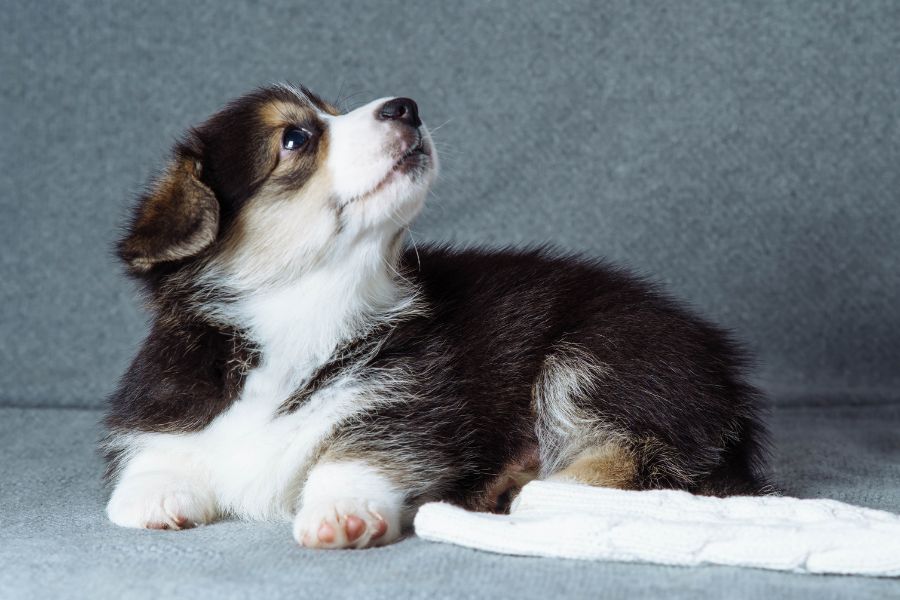
Potty training your puppy can feel overwhelming, especially in the first few days at home. The good news? With the right strategy, consistency, and patience, potty training a puppy can be achieved much faster than you think.
In this guide, we’ll walk you through a simple 7-day plan packed with puppy potty training tips and proven techniques to make house training your puppy stress-free. Whether you’re a first-time pet parent or just need a refresher, this step-by-step approach will set your puppy up for long-term success.
Why Potty Training Your Puppy Is So Important
Potty training is one of the first and most essential lessons your puppy will learn. It not only keeps your home clean but also helps build trust and communication between you and your pet.
A properly house-trained puppy:
- Understands where it’s appropriate to go
- Develops a predictable routine
- Feels more secure and less anxious
- Adjusts better to family life
Many homes have yards and outdoor spaces, and potty training can be easier, but it still requires consistency.
Before You Start: What You’ll Need
Preparation is key to successful potty training a puppy. Make sure you have:
- Crate (appropriately sized)
- Puppy pads (optional for indoor training)
- High-value treats
- Leash and collar
- Enzymatic cleaner for accidents
These tools will help reinforce good behavior and prevent confusion during training.
Day-by-Day Puppy Potty Training Plan
Day 1: Establish a Routine
Start by creating a strict schedule. Puppies thrive on consistency.
Take your puppy outside:
- First thing in the morning
- After meals
- After naps
- Before bedtime
Use the same spot every time. This helps your puppy associate the area with bathroom behavior.
Day 2: Introduce Crate Training
Crate training is a powerful tool for house training a puppy. Puppies naturally avoid soiling their sleeping area.
- Keep the crate cozy but not too large
- Take your puppy out immediately after crate time
- Avoid leaving your puppy in the crate too long
This teaches bladder control and reduces accidents indoors.
Day 3: Watch for Signs
Understanding your puppy’s signals is crucial.
Common signs include:
- Sniffing the floor
- Circling
- Whining
- Suddenly stopping play
The moment you notice these signs, take your puppy outside immediately. Timing is everything in puppy potty training tips.
Day 4: Reward Good Behavior
Positive reinforcement is the fastest way to train your puppy.
- Give treats immediately after they potty outside
- Use praise like “Good job!”
- Stay consistent with rewards
Avoid punishing accidents, as this can create fear and slow progress.
Day 5: Reduce Indoor Accidents
By now, your puppy should start understanding the routine.
To minimize accidents:
- Supervise your puppy at all times
- Limit access to certain rooms
- Use baby gates if needed
If accidents happen, clean thoroughly with an enzymatic cleaner to remove odors.
Day 6: Extend Time Between Breaks
Gradually increase the time between potty breaks to build bladder control.
- Start with 30–60 minutes
- Slowly extend based on your puppy’s age
- Continue monitoring behavior closely
This step is essential for long-term house training your puppy’s success.
Day 7: Reinforce and Maintain
By day 7, your puppy should have a solid understanding of where to go.
Keep reinforcing:
- Regular schedule
- Positive rewards
- Supervision
Consistency beyond the first week ensures your puppy becomes fully trained.
Common Puppy Potty Training Mistakes to Avoid
Even with the best intentions, mistakes can slow down progress.
Avoid these common errors:
- Inconsistent schedule: Confuses your puppy
- Punishing accidents: Leads to fear and hiding
- Too much freedom too soon: Increases accidents
- Skipping rewards: Reduces motivation
Stick to a structured plan for effective potty training a puppy.
Indoor vs Outdoor Potty Training
Depending on your lifestyle, you may choose indoor or outdoor training.
Outdoor Training (Most Recommended)
- Ideal for homes with yards
- Encourages natural behavior
- Easier long-term
Indoor Training
- Useful for apartments or extreme weather
- Requires puppy pads
- Needs a gradual transition to outdoor
Choose the method that best fits your environment and stay consistent.
How Long Does It Really Take to Potty Train a Puppy?
While this guide focuses on 7 days, full reliability may take a few weeks.
Factors that affect training:
- Puppy’s age
- Breed and size
- Consistency of routine
- Previous training
Most puppies show significant improvement within the first week if you follow structured puppy potty training tips.
When to Seek Veterinary Advice
Sometimes, potty training issues may be linked to health concerns.
Watch for:
- Frequent accidents despite training
- Difficulty holding urine
- Signs of discomfort
If you notice these, it’s best to consult a vet. At Dublin Veterinary Hospital, professional guidance for puppy owners in Perkasie and Dublin area can help rule out underlying issues and keep your puppy on track.
Conclusion
Learning to potty train your puppy in just 7 days is completely achievable with the right approach, patience, and consistency. By following a structured routine, using positive reinforcement, and avoiding common mistakes, you can set your puppy up for lifelong good habits. If you ever feel stuck or notice unusual behavior, don’t hesitate to consult a trusted local vet. For personalized guidance and expert puppy care in Perkasie, book an appointment with Dublin Veterinary Hospital today and give your puppy the best start in life.
FAQs
Q1: Can a puppy really be potty trained in 7 days?
Ans: Yes, puppies can learn the basics in 7 days, but full training may take several weeks of consistent practice.
Q2: How often should I take my puppy out to potty?
Ans: Every 2–3 hours, plus after meals, naps, and playtime for best results.
Q3: What should I do if my puppy has an accident indoors?
Ans: Clean it thoroughly and avoid punishment. Focus on reinforcing correct behavior instead.
Q4: Should I use puppy pads or train outdoors?
Ans: It depends on your living situation. Outdoor training is ideal long-term, but pads can help initially.
Q5: When should I contact a vet about potty training issues?
Ans: If your puppy shows signs of discomfort or frequent accidents despite training, consult a vet promptly.