Foreign Bodies in Black Bearded Dragons
Bearded dragons have grown to be one of the most popular pet reptiles in the US within the last decade. Their unique personalities and adorable, derpy expressions have won over the hearts of children and adults alike. They spend the majority of their days lounging, but don’t be fooled – these spiky pancakes can get into all sorts of trouble.
But First, what is a Foreign Body Ingestion?
Foreign body ingestions in bearded dragons can occur when they are left to free roam the home or if they decide to nibble on the objects in their enclosure. Most veterinarians do not recommend substrates like sand or wood chips that reptiles can easily ingest for this reason. Obstructions can even be caused by normal food that is too large for them to eat in one bite – don’t think your beardie won’t try eating something half the size of their head.
Recognizing the Signs of Foreign Body Ingestion:
- Lethargy (inactivity, and lack of energy)
- Loss of appetite
- Abnormal droppings or straining to defecate
- Black beard
Recognizing the signs is crucial for providing timely veterinary care and preventing potentially life-threatening complications.
What Happened to Phoenix?
Phoenix, a two-year-old female bearded dragon, presented to our Perkasie vet hospital after eating large amounts of shelf-liner. Shelf-liner typically makes a great substrate for beardie cages – it is relatively inexpensive, easy to clean, and typically something that beardies don’t try and eat.
But, Phoenix decided that she needed a broader menu and dined on a large portion of the shelf-liner. While the material slowly made its way through the intestines without issue, it got lodged in the colon and sat there for several weeks.
We performed repeat radiographs (x-rays) to follow the material and after Phoenix started to strain without fecal production, the decision was made to perform surgery to remove the material.
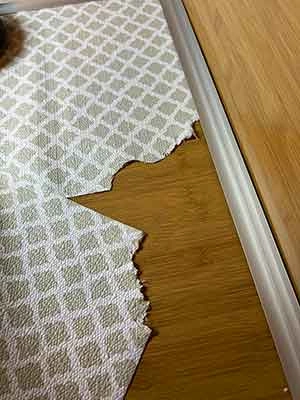
The coelomic cavity (equivalent of the abdomen) was opened and the colon with the foreign material was isolated (see picture).
A small incision was made in the colon and the material was removed. Phoenix recovered smoothly and was sent home for recovery and was back to her normal perky self by the next morning!

Lessons Learned
- Monitor your bearded dragons while out of their enclosures – they should not be allowed to roam freely unsupervised.
- Cut up all food for adult bearded dragons into small pieces that are no more than an inch in diameter. This includes their greens and fruit.
- We recommend radiographs if any part of the enclosure is missing or partially chewed to assess for foreign body ingestion.
- GI motility in reptiles is much, much slower than mammals. It can take several weeks for a foreign body to pass and should be monitored closely by a veterinarian.
Find a Perkasie, Bucks County Exotic Vet Near You
Finding an exotic vet near you in Bucks County is easy with our online direct booking feature. Both new and existing clients seeking exotic vet care may schedule an appointment at our Perkasie vet clinic.