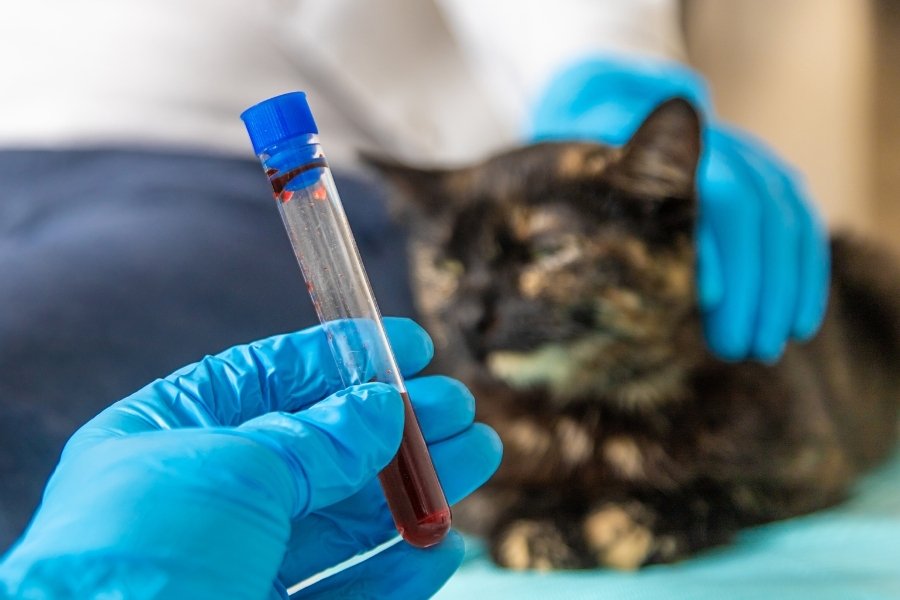
Routine blood tests are a vital part of keeping your beloved pet healthy, yet many myths surround them. These misconceptions can cause unnecessary worry or lead pet owners to skip essential diagnostic procedures. In this post, we’ll debunk common myths about pet blood tests and clarify what they truly indicate. Along the way, we’ll highlight how expert pet diagnostic care in Perkasie ensures your pet’s well-being with accurate interpretations and personalized care.
Myth 1: Blood Tests Are Only for Sick Pets
Many believe blood tests are only necessary when a pet is visibly ill. However, blood work is an essential preventive tool that detects hidden problems before symptoms appear. Regular screenings can uncover early signs of diseases like kidney or liver issues, diabetes, or infections. Consequently, timely interventions become possible, improving outcomes dramatically. Veterinarians specializing in pet diagnostic care Perkasie recommend periodic blood tests as part of routine check-ups.
Myth 2: Blood Tests Are Painful and Stressful for Pets
Some pet owners worry that blood draws are painful or highly stressful. In reality, skilled veterinary professionals perform blood draws quickly and gently. Most pets experience minimal discomfort, often similar to a quick pinch. Additionally, clinics use calming techniques to ease anxiety, such as gentle handling and familiar environments. Transitioning from fear to reassurance helps both pets and owners feel more comfortable about the process.
Myth 3: Abnormal Lab Results Always Mean Serious Illness
Abnormal values can sound alarming, but they don’t always indicate a severe problem. Minor fluctuations might result from temporary issues like hydration status, stress, or recent meals. Hence, veterinarians interpret results alongside physical exams and history to provide accurate diagnoses. For example, a slightly elevated liver enzyme might prompt dietary adjustments rather than immediate medication. Thus, comprehensive veterinary assessment is key.
Myth 4: All Blood Tests Are the Same
Blood tests vary widely depending on the purpose. A complete blood count (CBC) analyzes red and white blood cells and platelets, helping detect infections or anemia. Chemistry panels assess organ functions like kidneys, liver, and pancreas, while specific tests measure thyroid hormone levels or screen for heartworm. Understanding these differences ensures appropriate tests are requested and results understood. Your pet diagnostic care team can explain which tests best suit your pet’s needs.
Myth 5: Blood Tests Can Diagnose Every Health Issue
While powerful, blood tests are not all-encompassing diagnoses. They form one piece of the diagnostic puzzle, complementing history, physical exams, imaging, and other laboratory tests. For example, skin infections or orthopedic problems may not show up in blood work alone. Therefore, comprehensive veterinary evaluations remain essential to address your pet’s health fully.
Myth 6: Blood Tests Are Too Expensive and Unnecessary
Cost concerns sometimes deter pet owners from routine blood testing. However, early detection through blood work can prevent costly treatments for advanced diseases later. Many clinics offer wellness packages including blood tests at reasonable rates, making preventive care accessible. Investing in your pet’s health by leveraging pet diagnostic care resources can save money and heartache over time.
FAQs
Q1: How often should my pet have blood tests?
Ans. Most healthy adult pets benefit from annual testing, while seniors or those with chronic conditions may require more frequent screening.
Q2: Can blood tests detect allergies?
Ans. Blood tests alone can’t diagnose all allergies; however, they may help identify some food sensitivities or immune responses.
Q3: Do I need to fast my pet before bloodwork?
Ans. Fasting is often recommended, especially for chemistry panels, to ensure accurate results. Your vet will advise based on the test type.
Q4: How long does it take to get blood test results?
Ans. Many tests offer rapid in-house results within minutes, while specialized labs might take a few days.
Q5: Will blood tests hurt my pet?
Ans. Most pets tolerate blood draws well with minimal discomfort.
Q6: What happens if the blood test shows abnormalities?
Ans. Your veterinarian will discuss findings, recommend further diagnostics if needed, and create a tailored treatment plan.