Choosing the best pets for families can feel overwhelming, especially when deciding between dogs, cats, and small pets. Each option brings unique benefits, responsibilities, and lifestyle considerations. In this guide, we’ll compare dogs vs cats vs small pets to help families make the right choice for their home and schedule.
Why Choosing the Right Family Pet Matters
A pet isn’t just an animal; it’s a long-term commitment. Most dogs and cats live 10–20 years, while some small pets live anywhere from 2–8 years, depending on the species.
When selecting the best pets for families, consider:
- Your family’s daily schedule
- Available space (apartment vs house with yard)
- Budget for food and veterinary care
- Children’s ages and experience with animals
- Allergies or sensitivities
Making a thoughtful decision helps ensure a happy, healthy home for both your family and your new pet.
Dogs: Loyal and Active Companions
Why Dogs Are Among the Best Pets for Families
Dogs are known for their loyalty, affection, and playful nature. For active families who enjoy outdoor activities, dogs can be wonderful companions.
Benefits of having a dog:
- Encourages daily exercise
- Strong emotional bonding
- Protective and loyal
- Great for teaching children responsibility
Things to Consider
Dogs require significant time and attention. They need:
- Daily walks (even during Pennsylvania winters)
- Training and socialization
- Regular grooming
- Preventative veterinary care
Large breeds may need more space, while smaller breeds may adapt better to compact homes. If your family enjoys trips to local parks like Lake Nockamixon, an active breed might be ideal.
Cats: Independent Yet Affectionate
Why Cats Are Great Family Pets
Cats offer companionship with less day-to-day maintenance than dogs. They’re often considered one of the best pets for families who prefer a quieter home environment.
Benefits of owning a cat:
- Independent and self-grooming
- No daily walks required
- Generally adaptable to smaller homes
- Can be very affectionate
Cats are especially suitable for families with busy schedules. They use litter boxes and typically entertain themselves during the day.
Things to Consider
- Some cats may be less tolerant of rough handling by very young children
- Regular litter box cleaning is essential
- Veterinary checkups and vaccinations are still necessary
Cats thrive in calm households and can be wonderful companions for children who understand gentle handling.
Small Pets: Low Space, Big Personality
Small pets include:
- Hamsters
- Guinea pigs
- Rabbits
- Fish
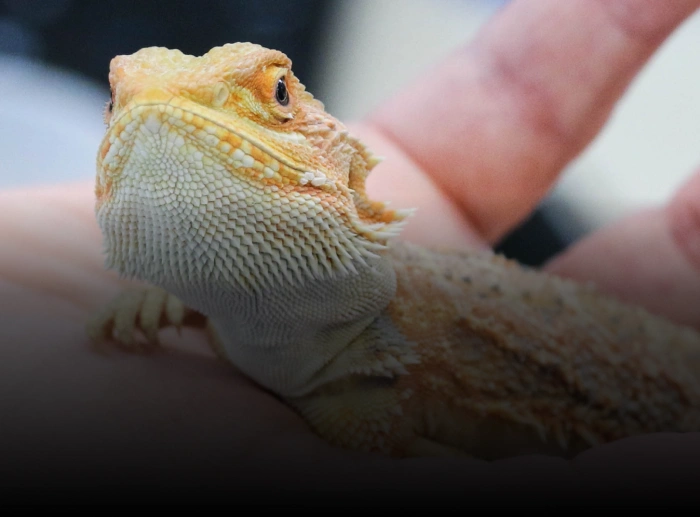
- Reptiles
Why Small Pets Can Be the Best Pets for Families
Small pets are often seen as beginner pets. They require less space and typically cost less upfront compared to dogs and cats.
Advantages:
- Compact housing requirements
- Lower food costs
- Shorter lifespan (less long-term commitment)
- Good introduction to pet responsibility
Important Considerations
Small pets still require proper care, including:
- Clean enclosures
- Species-specific diets
- Veterinary checkups
- Gentle handling
For example, guinea pigs are social animals that need companionship, while rabbits require daily interaction and exercise outside their enclosure.
Factors to Consider Before Bringing a Pet Home
1. Children’s Ages
Younger children may do better with sturdy, tolerant pets. Dogs often enjoy interactive play, while older children may bond deeply with cats or rabbits.
2. Time Commitment
Ask yourself:
- Who will walk the dog?
- Who will clean the litter box or cage?
- Who handles feeding schedules?
Consistency is key for a healthy pet.
3. Budget
Pet ownership includes:
- Food
- Routine veterinary visits
- Vaccinations
- Spay/neuter procedures
- Emergency care
Families should also consider seasonal needs like flea prevention in summer and joint support during colder months.
4. Allergies
Pet dander can affect family members. Spending time with the species beforehand can help determine compatibility.
How to Prepare Your Home for a New Pet
Before bringing your pet home:
- Remove toxic plants and household hazards
- Secure trash bins and cleaning supplies
- Create a designated feeding and sleeping area
- Schedule a veterinary wellness exam within the first week
Early veterinary care ensures vaccinations, parasite prevention, and overall health assessments are addressed promptly.
Conclusion
Choosing the best pets for families depends on your time, space, and long-term commitment. Dogs offer loyalty and energy, cats provide independence and comfort, and small pets deliver manageable companionship.
Many families in Perkasie choose dogs due to the availability of outdoor spaces and walking trails. However, cats remain popular among households with busier work schedules.
If you’re considering adding a new furry (or scaly) family member, contact Dublin Veterinary Hospital to ensure your pet starts life healthy and happy.
FAQs
Q1: What are the best pets for families with young children?
Ans: Dogs with gentle temperaments are often ideal, but supervised interactions are essential. Some cats and guinea pigs can also do well with proper guidance.
Q2: Are cats easier to care for than dogs?
Ans: Generally, yes. Cats don’t require daily walks and are more independent, making them suitable for busier families.
Q3: What small pets are good starter pets for kids?
Ans: Hamsters and guinea pigs are popular beginner pets, but they still require daily care and proper habitat maintenance.
Q4: How much does it cost annually to own a dog or a cat?
Ans: On average, families spend several hundred to over a thousand dollars per year, including food, preventive care, and supplies.
Q5: Should I adopt or buy a family pet?
Ans: Adoption is a wonderful option and gives animals a second chance. Many shelters in Bucks County have healthy pets ready for loving homes.