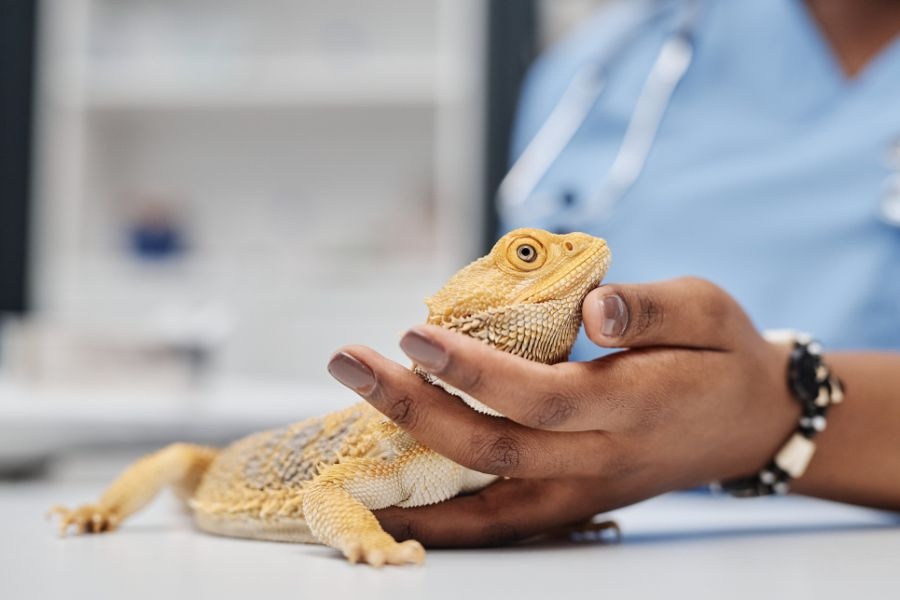
Owning an exotic pet is one of the most rewarding experiences you can have. But when it comes time for an exotic pet vet visit, many owners feel uncertain about what to expect. Rabbits, guinea pigs, reptiles, birds, and small mammals have very different needs from dogs and cats. In Perkasie, we see more exotic pet owners every year, and most of them tell us the same thing: they wish they had known more before that first appointment. This guide covers everything you need to prepare, what to bring, what warning signs to watch for, and how to make the experience as smooth as possible for your pet. Whether you are a first-time exotic pet parent or a seasoned owner, this article will help you feel confident walking through the clinic door.
Why Exotic Pets Need Specialized Veterinary Care
Not every veterinary clinic in Perkasie is equipped to treat exotic animals. Exotic pets require specialized knowledge, different diagnostic tools, and handling techniques that go far beyond standard dog and cat care.
Many exotic species hide illness extremely well. In the wild, showing weakness makes an animal a target for predators. This survival instinct does not disappear in captivity. By the time your rabbit or bearded dragon looks obviously sick, the condition may already be serious.
Exotic pet health care also involves species-specific nutrition, lighting, temperature, and habitat requirements that directly affect medical outcomes. A reptile kept at the wrong temperature, for example, can develop immune suppression and become vulnerable to infections that a healthy animal would easily fight off.
According to the Association of Avian Veterinarians, exotic animals are frequently under-vaccinated, under-examined, and seen by vets far too late. Routine wellness exams are just as important for a ferret as they are for a Labrador.
What to Bring to Your Exotic Pet’s Vet Appointment
Preparation makes a real difference in how useful your appointment will be. Come ready with the right information and supplies.
Here is what to bring:
- A secure, species-appropriate carrier. Use a pillowcase or a ventilated box for small reptiles. A solid-sided carrier works best for rabbits and guinea pigs to reduce visual stress.
- A fresh stool sample collected within 24 hours. Fecal exams are one of the most common diagnostics for exotic pets and can reveal parasites, infections, and digestive issues.
- A photo or video of any concerning behavior. Exotic animal warning signs are often subtle. A short clip of your lizard refusing to eat or your rabbit grinding its teeth gives the vet important visual context.
- A written list of your pet’s diet, supplements, lighting schedule, and enclosure setup. This information directly shapes the diagnostic process.
- Any previous veterinary records or test results.
Signs Your Exotic Pet Needs to See a Vet Right Away
Knowing when to seek care is one of the most important skills an exotic pet owner can develop. Many people wait too long because the signs are easy to miss.
Watch for these exotic animal warning signs:
- Not eating for more than 24 to 48 hours. This is almost always significant in small mammals and reptiles. It is never something to wait out.
- Labored or open-mouth breathing. This is an emergency in birds and reptiles. Do not wait for a next-day appointment.
- Loose, watery, or absent droppings. Changes in stool are one of the earliest signs of illness in most exotic species.
- Lethargy or unusual stillness. A rabbit sitting hunched in a corner is not just tired. That posture often signals pain.
- Discharge from the eyes, nose, or mouth. In reptiles and small mammals, this often points to respiratory infection.
- Swelling anywhere on the body. Lumps, bumps, and swelling should always be evaluated promptly.
If you notice any of these signs, contact your veterinarian promptly. In our experience, owners who act quickly tend to have far better outcomes than those who take a wait-and-see approach.
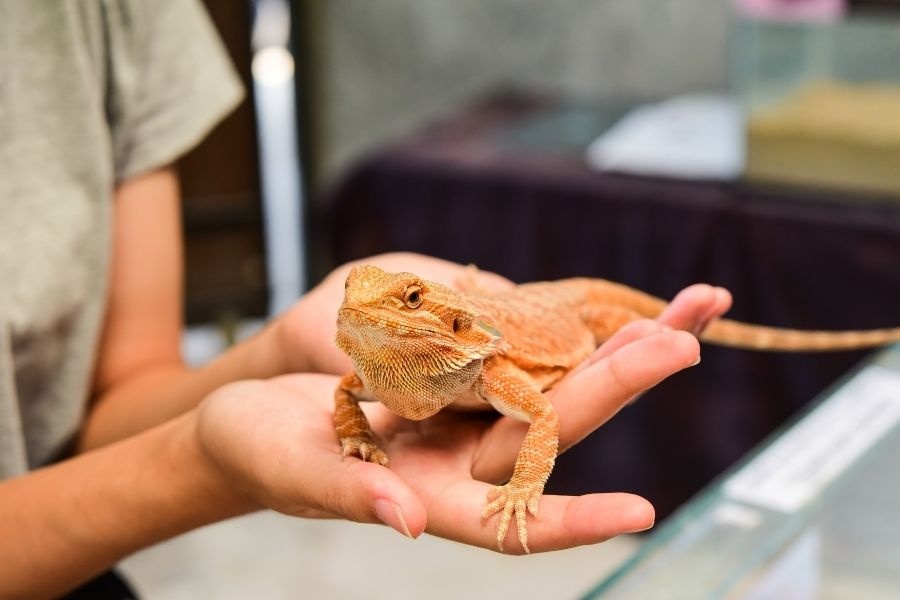
A Reptile Vet Checkup: What to Expect
Many reptile owners have never been to a vet with their animal before. Knowing what a reptile vet checkup looks like can help reduce anxiety for both you and your pet.
The exam typically includes a full physical assessment: weight, hydration status, skin condition, eye clarity, and oral health. The vet will look at muscle tone and watch how the animal moves. They may ask detailed questions about your enclosure setup, including UVB lighting and basking temperatures.
Fecal testing is almost always recommended. Reptiles commonly carry internal parasites that do not cause obvious symptoms until the burden becomes heavy. Catching these early is a significant advantage.
Blood work may be suggested for older animals or those showing signs of illness. Reptiles are excellent at masking metabolic problems, so bloodwork often reveals issues before clinical symptoms appear.
The AVMA recommends annual wellness exams for reptiles, even when they appear healthy. Many conditions are far easier and less expensive to treat when caught early.
Caring for Rabbits, Guinea Pigs, and Small Mammals
Rabbits and guinea pigs are among the most commonly underserved exotic pets in veterinary medicine. Many owners assume these animals are low-maintenance. In reality, rabbit guinea pig vet care is essential and should begin within the first few weeks of ownership.
Rabbits need annual wellness exams, dental checks, and GI monitoring. Gastrointestinal stasis, a condition where the digestive system slows or stops, is one of the leading causes of death in pet rabbits. It can go from minor discomfort to fatal within 24 hours.
Guinea pigs are prone to vitamin C deficiency, dental overgrowth, and respiratory infections. Many owners do not realize that guinea pigs cannot produce their own vitamin C, and without proper supplementation, they can develop scurvy. Rabbit guinea pig vet visits allow us to catch these issues before they become emergencies.
At Dublin Veterinary Hospital, we frequently remind our clients in Pennsylvania that indoor small mammals can still be exposed to seasonal temperature swings, drafts, and humidity changes that affect their health. Keeping the habitat stable year-round is part of responsible exotic pet care.
One common misconception we often correct: many owners at Perkasie believe that exotic pets only need to see a vet when something is visibly wrong. In truth, exotic pet health care means routine wellness visits even for animals that seem perfectly fine. These visits are your best defense against preventable illness.
Conclusion
Your exotic pet depends on you to recognize when something is off and to find the right care when it matters most. Preparing for your exotic pet vet visit with the right information, supplies, and awareness of warning signs puts you in the best possible position to advocate for your animal. Exotic species are remarkable, resilient, and deeply rewarding companions. They also deserve the same level of attentive, proactive veterinary care as any dog or cat. Whether you have a bearded dragon, a Holland Lop, or a cockatiel, do not wait until something goes wrong. Dublin Veterinary Hospital is here to provide compassionate, experienced care for exotic pets in the Perkasie area. Book an appointment today.
Frequently Asked Questions
How do I find a vet that sees exotic pets?
Ans: Not all veterinary clinics are trained to treat exotic animals. Look for a clinic that specifically lists exotic pet services. Call ahead to confirm the vet has experience with your species before booking.
How often should I take my exotic pet to the vet?
Ans: Most exotic pets should have at least one wellness exam per year, even if they appear healthy. Some species, like rabbits and older reptiles, benefit from twice-yearly checkups. Your vet will recommend the right schedule based on your animal’s age and health history.
What should I feed my exotic pet before a vet visit?
Ans: Feeding recommendations vary by species. Do not withhold food from rabbits or guinea pigs before a visit, as they need constant digestive movement. For reptiles, ask your vet in advance whether fasting is recommended before the exam.
How do I transport my exotic pet safely to the clinic?
Ans: Use a secure, species-appropriate carrier. Keep the environment as calm as possible during transport. Cover the carrier with a light cloth to reduce visual stimulation. Maintain an Ans: appropriate temperature, especially for reptiles, which can experience stress or shock at extreme temperatures.
Can exotic pets be spayed or neutered?
Ans: Yes. Many exotic pets benefit significantly from spaying or neutering procedures. Rabbits, for example, have a very high rate of uterine cancer if left unspayed. Ferrets are also commonly neutered to reduce hormonal behavior and health risks. Ask your vet whether the procedure is right for your specific animal.