Choosing a vet for an exotic pet isn’t the same as finding care for a dog or cat. Birds, reptiles, and small mammals have unique needs that require specialized training and equipment. In this guide, we’ll walk you through exactly what to look for when choosing a vet for your exotic pet, so you can feel confident your companion is in expert hands.
If you share your home with a parrot, bearded dragon, rabbit, or hedgehog, finding the right veterinary partner is one of the most important decisions you’ll make.
Why Choosing a Vet for an Exotic Pet Is Different
Exotic pets have very different anatomy, metabolism, and behavior compared to traditional household pets. A diet mistake, temperature change, or minor illness can escalate quickly.
For example:
- Birds often hide illness until it’s advanced.
- Reptiles rely on precise heat and UV lighting to stay healthy.
- Rabbits and guinea pigs can develop life-threatening gut issues within hours.
Because of these differences, choosing a vet for an exotic pet means finding someone trained beyond standard small-animal medicine.
Common Exotic Pets That Need Specialized Care
Many people in Pennsylvania own:
- Parrots and cockatiels
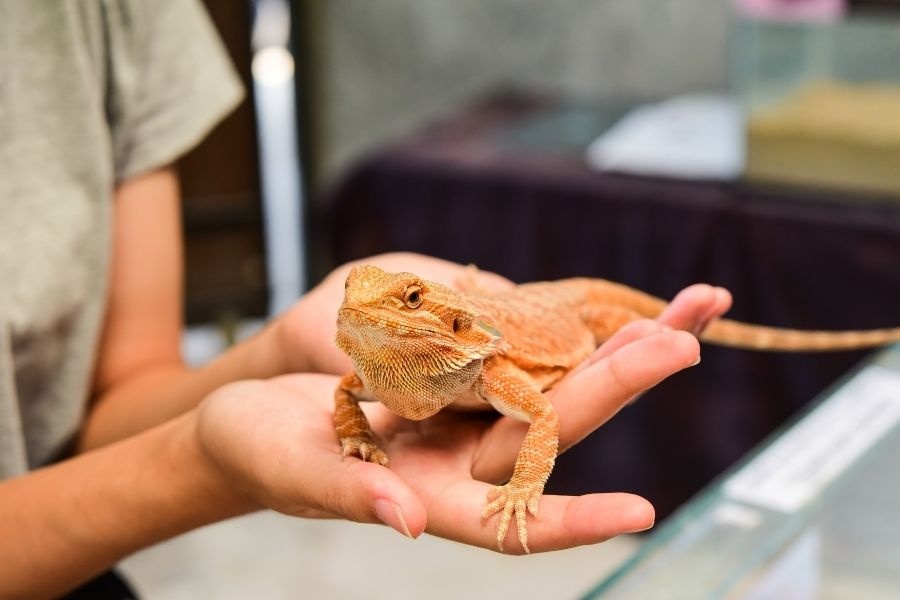
- Bearded dragons and geckos
- Tortoises and turtles
- Rabbits and guinea pigs
- Ferrets and hedgehogs
Each species requires species-specific knowledge. For instance, rabbits need careful handling to prevent spinal injury, while reptiles need environmental assessments during exams.
Key Qualifications to Look For in an Exotic Veterinarian
When choosing a vet for an exotic pet, start with credentials and training.
1. Experience With Your Specific Species
Not all exotic vets treat every exotic animal. Ask directly:
- “How often do you see this species?”
- “What common health issues do you treat?”
A vet who regularly handles birds will be more comfortable performing wing trims, beak assessments, and respiratory evaluations.
2. Advanced Training or Continuing Education
Exotic medicine is constantly evolving. Look for veterinarians who:
- Attend exotic-focused conferences
- Participate in ongoing training
- Stay updated on husbandry and nutrition research
3. Proper Equipment
Exotic pets often require:
- Specialized anesthesia protocols
- Small-scale surgical tools
- Digital radiography for tiny bones
- Species-appropriate hospitalization setups
A clinic equipped for exotic medicine is essential for safety.
Signs of a High-Quality Exotic Animal Hospital
When visiting a clinic, observe the environment.
Clean and Calm Atmosphere
Exotic animals are highly sensitive to stress. Loud barking dogs in the same waiting area can be overwhelming for birds and small mammals.
Gentle Handling Techniques
Watch how staff members handle animals. Rabbits, birds, and reptiles require confident but delicate restraint.
Clear Communication
A quality exotic vet will:
- Explain diagnostic results clearly
- Provide written care instructions
- Discuss prevention strategies
Communication is especially important when managing chronic conditions.
Preventive Care for Exotic Pets
Choosing a vet for an exotic pet isn’t just about emergencies. Preventive care is critical.
Routine care may include:
- Annual or biannual wellness exams
- Fecal testing for parasites
- Beak, nail, and dental assessments
- Nutritional consultations
- Weight monitoring
For example, many rabbit dental problems can be prevented with proper hay intake and early detection.
Emergency Care Capabilities
Exotic pets can decline rapidly. Ask about:
- Same-day urgent appointments
- Surgical capabilities
- Oxygen support for birds
- Fluid therapy options
In smaller towns like Perkasie, access to experienced emergency care for exotic species can be limited, so it’s wise to establish care before a crisis happens.
Understanding Husbandry Support
Many exotic health problems are related to the environment and diet.
A strong exotic veterinarian will review:
- Cage size and setup
- Substrate safety
- Heat gradient for reptiles
- UVB lighting
- Dietary balance
Choosing a vet for an exotic pet means choosing someone who acts as a partner in education.
Red Flags to Avoid
When choosing a vet for an exotic pet, avoid clinics that:
- Hesitate when asked about exotic experience
- Lack species-specific equipment
- Dismiss husbandry discussions
- Provide vague answers about anesthesia safety
Exotic pets require precise medicine. Confidence and transparency are essential.
Building a Long-Term Veterinary Relationship
Exotic pets often live many years:
- Parrots can live decades
- Tortoises may live over 50 years
- Rabbits can live 8–12 years with proper care
Building a long-term relationship with a qualified exotic vet ensures continuity of care and early disease detection.
Early signs of illness are often subtle and best detected by trained eyes. At Dublin Veterinary Hospital, exotic pet owners in Perkasie, Bucks, and Montgomery County receive species-specific care combined with personalized guidance to help their companions thrive year-round.
Conclusion
Choosing a vet for an exotic pet requires more research and intentionality than selecting a general small-animal clinic. Look for species-specific experience, advanced equipment, preventive care options, and clear communication. Partnering with a knowledgeable veterinary team ensures your bird, reptile, or small mammal receives the expert care they deserve.
If you’re searching for compassionate exotic pet care in Perkasie, book an appointment at Dublin Veterinary Hospital today and give your unique companion the specialized attention they need.
FAQs
Q1: What type of vet treats exotic pets?
Ans: A veterinarian with advanced training in exotic animal medicine treats birds, reptiles, and small mammals. Always confirm species-specific experience before scheduling.
Q2: How often should exotic pets see a vet?
Ans: Most exotic pets should have a wellness exam once or twice a year, depending on age and species.
Q3: Are exotic vets more expensive?
Ans: Costs can be slightly higher due to specialized equipment and training, but preventive care helps reduce emergency expenses.
Q4: Can a regular dog and cat vet treat my rabbit or bird?
Ans: Not always. Exotic pets require different anesthesia protocols, nutrition guidance, and diagnostic approaches.
Q5: What should I bring to my exotic pet’s first appointment?
Ans: Bring details about diet, habitat setup, supplements, and any recent changes in behavior or appetite.