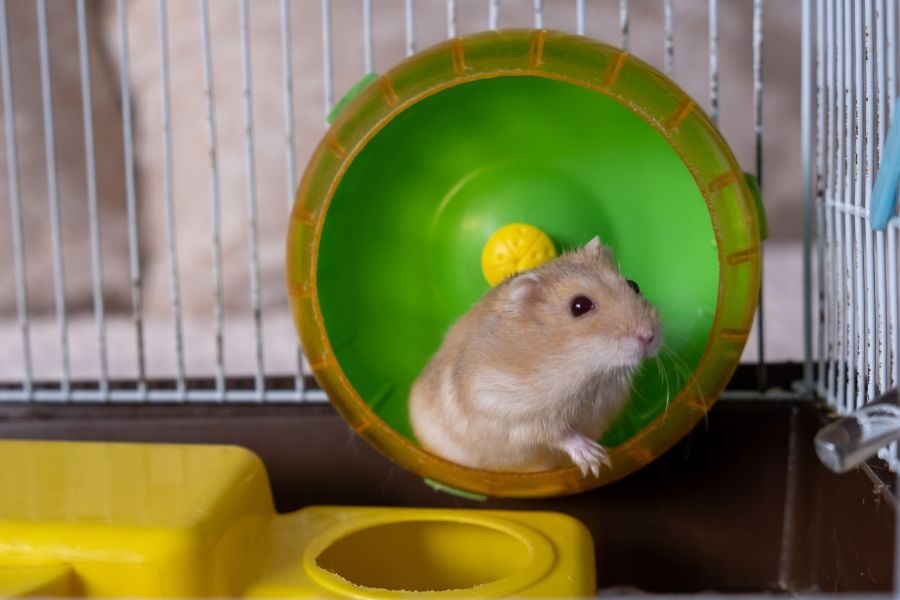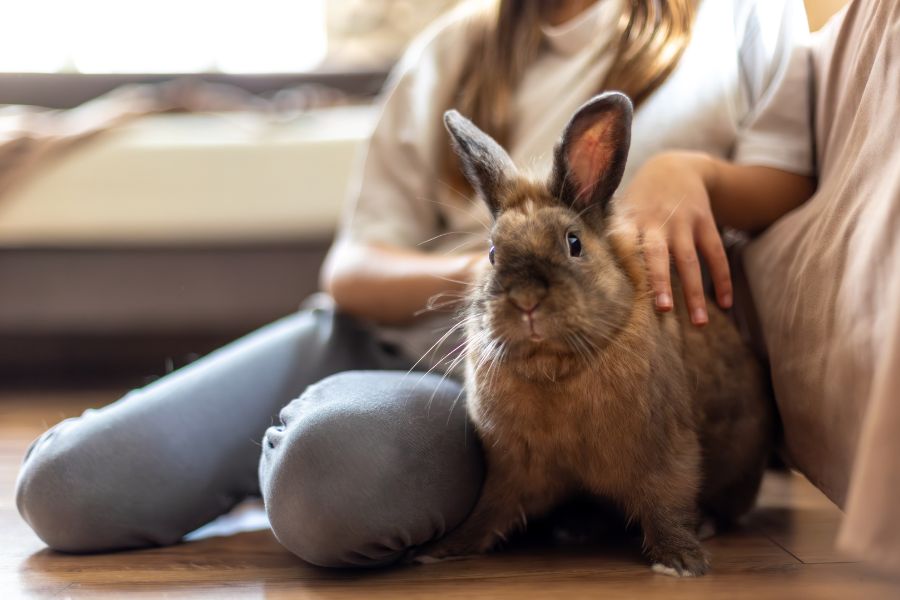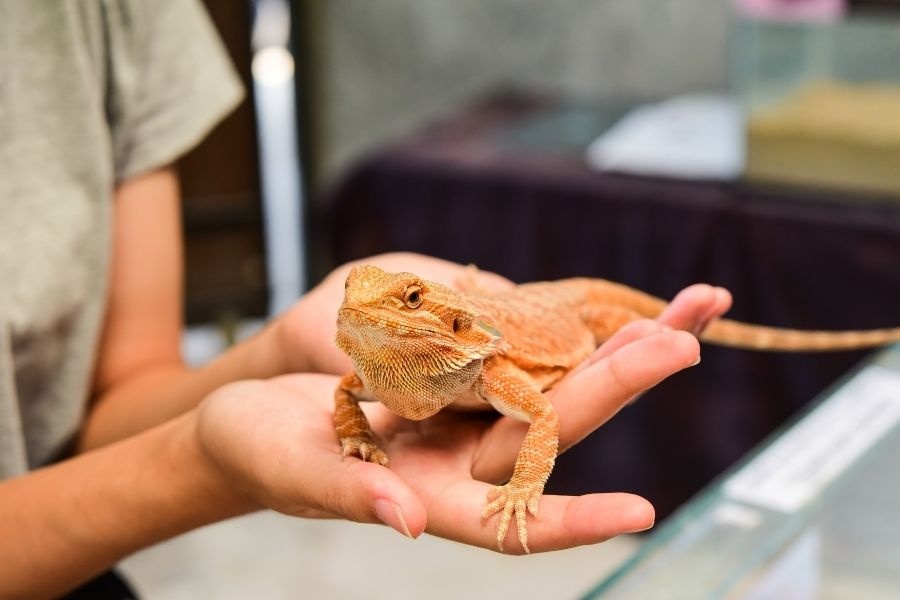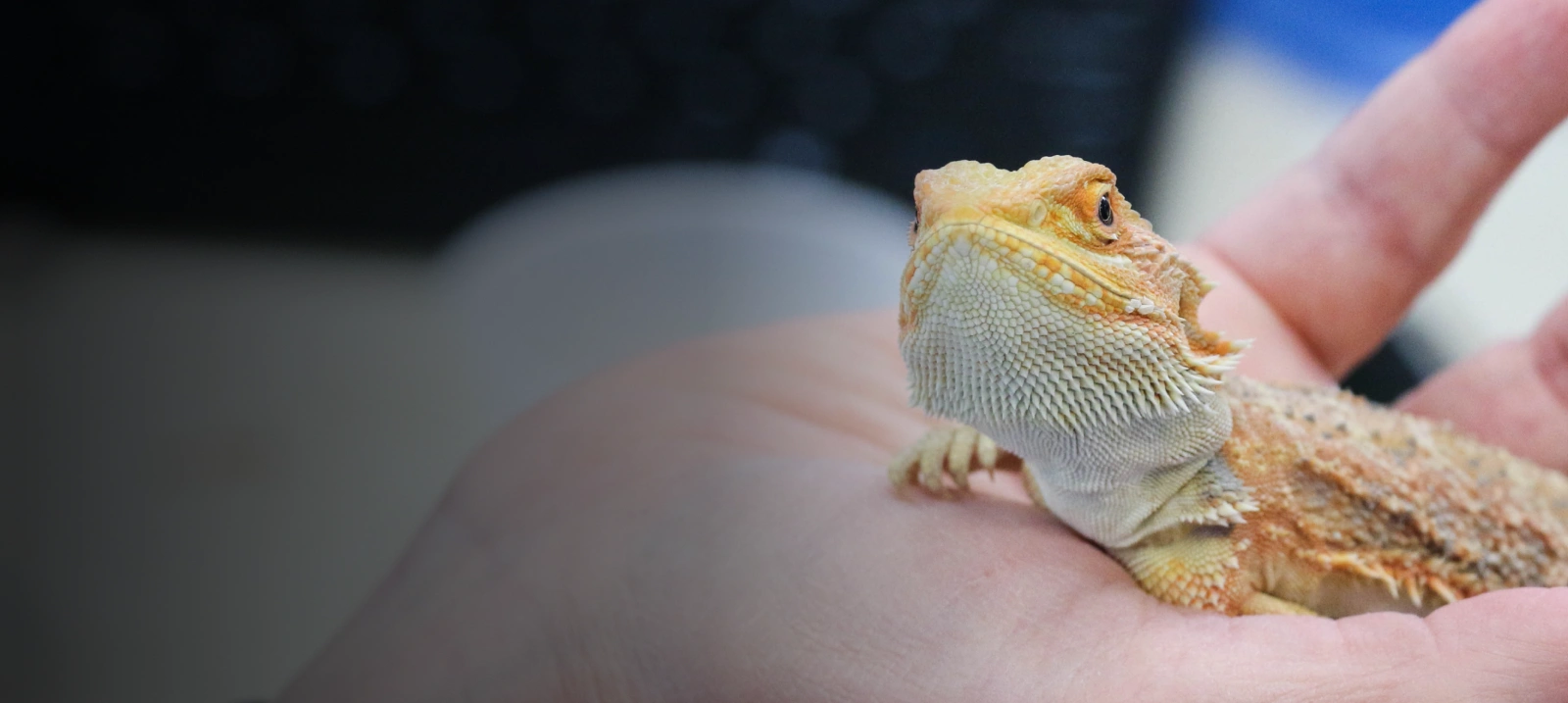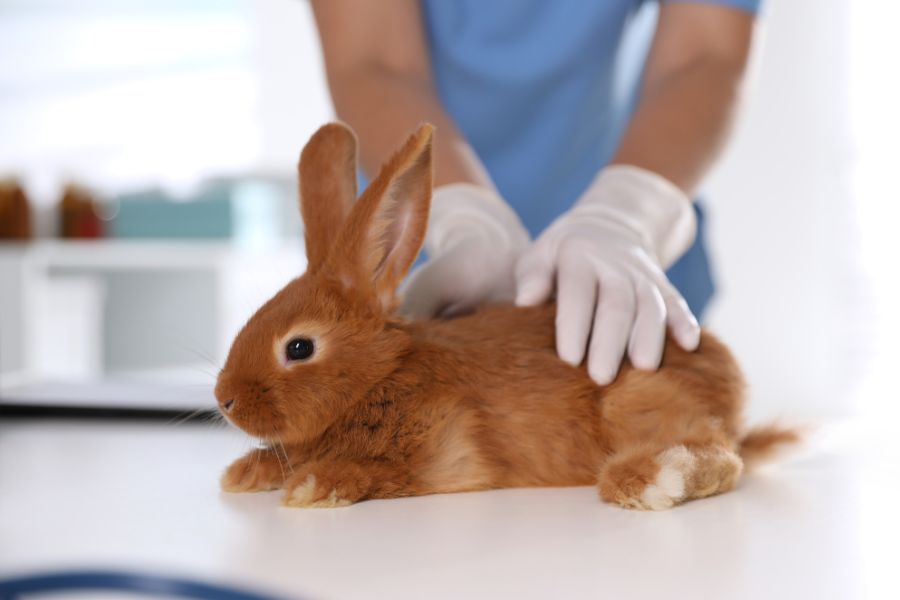
Exotic pets, often called pocket pets, may be small, but their healthcare needs are just as important as those of dogs and cats. From guinea pigs and rabbits to hamsters and ferrets, these animals are experts at hiding illness. In this guide, we’ll explain why annual wellness exams for exotic pets matter, what vets check during these visits, and how routine care helps pocket pets live longer, healthier lives.
What Are Considered “Pocket Pets”?
“Pocket pets” is a common term for small exotic mammals that people often keep in cages or enclosures. These pets are popular because they’re compact, quiet, and full of personality—but they also have very specific care needs.
Common pocket pets include:
- Guinea pigs
- Hamsters
- Gerbils
- Rabbits
- Ferrets
- Chinchillas
- Mice and rats
Unlike dogs and cats, these animals are classified as exotic pets, meaning their biology, diet, and medical care differ significantly. That’s exactly why routine wellness exams are so important.
Why Exotic Pets Hide Signs of Illness
One of the biggest reasons exotic pet wellness exams are critical is that these animals instinctively hide symptoms. In the wild, showing weakness makes them easy targets for predators. Even in a loving home, that instinct doesn’t go away.
This means:
- Illness often isn’t obvious until it’s advanced
- Appetite changes may be subtle
- Weight loss can happen quickly but go unnoticed
- Dental or digestive problems may worsen silently
Why Annual Wellness Exams Matter for Pocket Pets
Many pet owners assume that if their exotic pet is eating and active, everything must be fine. Unfortunately, that’s not always true.
Early Detection Saves Lives
Annual exams allow veterinarians to:
- Spot early signs of dental disease
- Detect lumps, infections, or internal problems
- Identify nutritional deficiencies
- Monitor weight trends year over year
Small pets have fast metabolisms, so even minor health problems can escalate quickly. Preventive care is often the difference between simple treatment and a life-threatening condition.
Exotic Pets Age Faster Than You Think
A one-year-old hamster or mouse is already considered middle-aged. Because pocket pets age rapidly, an annual exam is like a senior wellness visit every year.
What Happens During an Exotic Pet Wellness Exam?
Many owners feel nervous about vet visits for small pets, but these exams are gentle, thorough, and tailored to the species.
A typical exotic pet wellness exam includes:
Full Physical Examination
The vet checks:
- Eyes, ears, nose, and mouth
- Teeth and jaw alignment
- Skin, fur, and feet
- Heart and lung sounds
- Abdomen for swelling or pain
Weight and Body Condition
Even a small weight change can signal:
- Digestive issues
- Dental pain
- Parasites
- Poor diet
Tracking weight over time is one of the most valuable tools in exotic pet care.
Dental Health Assessment
Dental disease is extremely common in rabbits, guinea pigs, and chinchillas. Overgrown or misaligned teeth can cause:
- Pain
- Difficulty eating
- Infections
- Weight loss
Many dental issues are only visible during an exam, not at home.
Diet and Habitat Review
Your veterinarian may ask about:
- Type and amount of food
- Hay quality (for herbivores)
- Treats and supplements
- Cage size and setup
- Bedding and cleaning routine
Simple adjustments in diet or environment can prevent many health problems.
Common Health Problems Found During Annual Exams
Wellness visits often uncover issues owners didn’t realize were developing.
Dental Problems
- Overgrown teeth
- Tooth root infections
- Jaw misalignment
Digestive Issues
- GI stasis in rabbits
- Diarrhea or constipation
- Poor nutrient absorption
Respiratory Infections
Small mammals are prone to respiratory illness, especially in drafty homes or poorly ventilated cages.
Skin and Parasite Issues
- Mites
- Fungal infections
- Hair loss
- Sores on feet
Reproductive Concerns
Some species are prone to reproductive diseases that show few early signs but can be life-threatening if untreated.
Why “Waiting Until Something Is Wrong” Is Risky
Emergency care for exotic pets is often more stressful and more expensive than preventive care.
Delaying exams can lead to:
- Sudden appetite loss
- Collapse or severe lethargy
- Pain that’s difficult to manage
- Limited treatment options
Annual wellness visits help keep care proactive instead of reactive, which is especially important for delicate species.
How Often Should Pocket Pets See the Vet?
For most exotic pets:
- Once a year is the minimum for healthy adults
- Every 6 months is recommended for seniors or pets with chronic conditions
If your pet shows any changes, such as eating less, hiding more, or weight loss, don’t wait for the next scheduled exam.
Read more about How Often Should Exotic Pets See a Vet
The Importance of an Exotic-Experienced Veterinarian
Exotic pets require specialized training and handling. Not every veterinary clinic treats pocket pets, and improper care can do more harm than good.
An exotic-experienced vet understands:
- Species-specific anatomy
- Safe handling techniques
- Proper anesthesia for small animals
- Nutritional needs unique to exotics
At Dublin Veterinary Hospital, exotic pet wellness care is tailored to the unique needs of small mammals, helping families in the Perkasie area feel confident their pets are receiving appropriate, compassionate care. If you have a pocket pet at home, contact Dublin Veterinary Hospital today to give them the proactive care they deserve.
How to Prepare for Your Exotic Pet’s Wellness Visit
A little preparation goes a long way. Before the appointment:
- Bring a list of foods and treats
- Note any behavior or appetite changes
- Transport your pet in a secure, well-ventilated carrier
- Bring a small sample of bedding or droppings if advised
Staying calm helps your pet stay calm, too.
Conclusion
Pocket pets may be small, but their health needs are significant. Because exotic pets hide illness and age quickly, annual wellness exams are essential for early detection, preventive care, and long-term quality of life. Routine checkups help ensure your guinea pig, rabbit, hamster, or ferret stays comfortable, active, and healthy for years to come.
FAQs
Q1: Do indoor exotic pets really need annual vet visits?
Ans: Yes. Even indoor pocket pets can develop dental, digestive, or nutritional issues that aren’t visible without a veterinary exam.
Q2: What are signs my pocket pet may need to see a vet sooner?
Ans: Loss of appetite, weight loss, hiding, reduced activity, or changes in droppings are all reasons to schedule a vet visit.
Q3: Are wellness exams stressful for small pets?
Ans: When handled properly by an experienced veterinarian, wellness exams are gentle and typically very brief.
Q4: How long do exotic pet wellness exams take?
Ans: Most exams last 20–30 minutes, depending on the species and any concerns that need attention.
Q5: Is preventive care really cost-effective for exotic pets?
Ans: Yes. Preventive exams often catch problems early, reducing the need for emergency treatment and improving long-term outcomes.